
 Español
 العربية
 Francés
 Русский
 Português
 Deutsch
 日本語
日本語
 한국어
한국어
 Việt
Việt
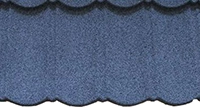
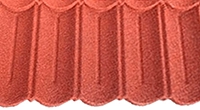

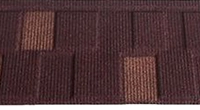
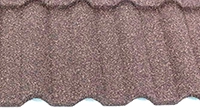
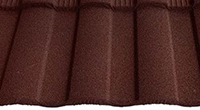
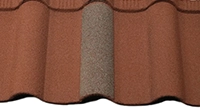
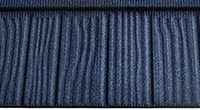

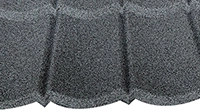
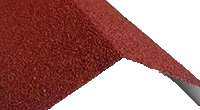
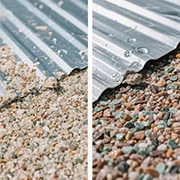


Straight Roof Lines, Clean Tile Cuts: The Secret Is Factory Pre-Cutting Service
Straight Roof Lines, Clean Tile Cuts: The Secret Is Factory Pre-Cutting Service
When people look at a finished roof, they usually notice the color first. Maybe it is a dark grey roof on a modern house, a brown or red roof on a villa, or a stone-coated metal roof designed to give a building the appearance of traditional tiles. But if you have worked on roofing projects for long enough, you know that the details people notice later are often somewhere else. Look at the eaves. Look at the edge of the roof. Look around a chimney, a skylight, a valley or a dormer. Look at the line where several rows of tiles meet. If the cuts are uneven, the edges wander, or every piece seems to have been adjusted differently on site, the whole roof can lose that clean finished appearance even when the roofing material itself is good. This is one reason more contractors and project buyers are paying attention to what happens before the tiles arrive at the construction site. Factory pre-cutting is not simply about cutting a piece of metal in advance. When it is planned properly, it is about moving part of the preparation work from a busy, weather-exposed construction site into a controlled manufacturing environment. For stone coated metal roof tiles, this can be particularly useful on projects where certain dimensions, edges or repeated shapes are already known from the drawings. Instead of sending every tile to the roof in exactly the same condition and asking installers to make every adjustment themselves, a manufacturer can discuss the project requirements in advance and prepare suitable pieces according to the agreed dimensions. The installer still makes necessary adjustments where actual site conditions require them, but some repetitive cutting work has already been considered before the container leaves the factory.
That distinction is important because factory pre-cutting should not be treated as a magic solution for every roofing project. A real roof is rarely as simple as a drawing. During installation, the actual position of a wall, flashing, chimney or roof penetration can differ slightly from the original plan. Experienced installers know that forcing every tile to a factory-fixed dimension can sometimes create more problems instead of solving them. That is why we see pre-cutting as a project-based preparation method rather than something that should automatically be applied to every piece of a roof. For example, if a project has a repeated roof edge with a known dimension, or a series of sections that follow the same drawing, preparing those pieces in advance can make sense. If another area needs to be adjusted according to the actual roof structure, leaving enough material for on-site fitting may be the more practical choice. The goal is not to eliminate the installer’s work. The goal is to make the installer’s work more organized. This is also where communication between a roofing contractor and a stone coated metal roof tile manufacturer becomes important. Before production starts, the buyer can provide drawings, measurements, roof details, profile requirements and other information available for the project. The factory can then review which parts are suitable for standard production and which parts may benefit from custom preparation. At FUODE ROOFING, our production range includes Bond, Classic, Shingle, Milano and other stone coated metal roofing profiles, and our website also describes OEM/ODM customization covering profile, size, color and branding requirements.
There is another reason this approach matters: cutting a stone coated metal roof tile is not exactly the same as cutting an ordinary flat steel sheet. A finished stone coated tile has a steel substrate underneath and a surface made up of coating layers and stone granules. The cutting method therefore matters. If installers use unsuitable tools, apply excessive heat or handle the cut edge carelessly, the surface around the cut can be affected. The FUODE website's technical article on complex roof shapes also points out that stone coated metal roofing can be trimmed and gently bent for roof penetrations, valleys, dormers and other irregular areas, while recommending proper tools and controlled handling to protect the coated surface. This is one practical advantage of discussing complicated areas with the manufacturer before production rather than waiting until the installation crew is standing on the roof. When the dimensions and intended application are understood in advance, the factory can identify which parts should remain standard and which parts may require additional preparation. It also gives the buyer an opportunity to confirm the profile and appearance before a larger order moves forward. FUODE's existing OEM production process describes pre-production approval samples as a way to establish a reference for customized orders, followed by in-process quality checks and final inspection before shipment. For a buyer, that kind of process is useful because it changes the conversation from “please make something like this” to “this is the agreed sample, this is the profile, this is the color, and these are the dimensions we are working from.” It may sound like a small difference, but in international roofing orders, small misunderstandings can become expensive once several containers have already been produced.

The benefit becomes even easier to understand when you consider what happens on a normal construction site. The installer has ladders, tools, fasteners, flashing, underlayment and other materials around them. The weather may change during the day. Several trades may be working on the same building. The roof itself may have multiple slopes and different junctions. Every time a worker has to stop, measure a tile, mark a line, cut it, clean the edge and fit it again, that is another small task added to the installation process. One individual adjustment is not a big problem. A roof with hundreds of similar adjustments is a different story. Factory preparation can help move some of those repetitive tasks away from the roof and into production planning. It can also make the material easier to organize when it arrives. Instead of having only a large quantity of identical tiles and trying to identify everything during installation, project-specific pieces can be packed and marked according to an agreed arrangement where the project and production conditions allow it. Of course, this needs to be discussed before production and cannot replace the installer checking the actual roof. The point is simply to reduce unnecessary work where the information is already known. For distributors and roofing contractors buying from overseas, this can be particularly relevant because the cost of labor on the construction site is often much higher than the cost of doing a simple preparation step during manufacturing. A few minutes saved on one tile may not sound significant, but when the same operation is repeated across a large roofing project, the overall workflow can become noticeably different. This is why buyers should look beyond the simple unit price of metal roof tiles and ask a more practical question: how much work will my installation team actually need to do after the tiles arrive?
Clean cuts also affect the appearance of the finished roof. With modular stone coated metal roofing, the overall visual effect comes from many individual pieces working together. The factory can control the shape and dimensions of a standard tile consistently during production, but the final appearance still depends on how those tiles are arranged and fitted. At roof edges and around complicated details, the cut line becomes visible. A clean, consistent edge helps the installation look intentional rather than improvised. This does not mean every cut has to be made in a factory. In fact, that would not be practical for many projects. Roof measurements can change, and installers need the flexibility to make final adjustments. The better approach is to decide beforehand which parts can reasonably be prepared and which parts should remain adjustable. This is where a manufacturer with real production experience can be useful to the buyer. FUODE's product and factory information shows that the company handles different stone coated metal roof tile profiles and supports customization of profile, dimensions, colors and LOGO requirements rather than simply supplying one fixed product. When a buyer asks about custom cut roof tiles, the conversation therefore does not have to start and end with “can you cut it?” The more useful questions are: What is the roof layout? Which dimensions are repeated? Which edges are visible? Which pieces will be installed at the eaves? Which areas need to remain flexible for site adjustment? What profile is being used? What quantity is required? And how should the prepared pieces be identified when they arrive? Those questions turn a simple cutting request into a more practical roofing solution.
For an overseas buyer, this is also where choosing the right roofing tile manufacturer makes a difference. You are not only buying a metal roof tile; you are relying on someone to understand the relationship between the drawing, the production line and the installation site. A supplier may be able to sell you a standard tile at a competitive price, but that does not automatically mean the supplier is prepared to discuss a project with unusual dimensions or repeated custom requirements. A source manufacturer has a different role because the people discussing specifications can communicate with the production side directly. FUODE describes its stone coated metal roofing as being produced in-house and offers OEM/ODM options including custom LOGO imprinting, profile and size adjustments and color formulation. Its product range also includes multiple established profiles rather than a single roof tile design. For customers who are developing their own roofing brand, supplying regional distributors or working on repeated residential and commercial projects, this kind of flexibility can be more useful than simply having a long product list. It means the conversation can continue after the first quotation. A buyer can discuss a sample, confirm the specification, make an adjustment, and then move toward production based on an agreed reference. That is the kind of relationship we believe is more valuable in international building-materials business. Roofing is not an impulse purchase. The material may stay on a building for many years, and the person placing the order has to be comfortable with what is being supplied before the first container is loaded.
There is also a simple way for buyers to evaluate whether a proposed factory pre-cutting service is actually useful for their project: start with the drawings instead of starting with the price. Send the roof plan, elevations, typical edge details and the dimensions that are already confirmed. If there are repeated sections, mark them clearly. If there are areas where the final measurement is still uncertain, say so. A serious manufacturer should be able to discuss what can realistically be prepared at the factory and what should be left to the installer. It is better to say “this part should be adjusted on site” than to promise that every piece can be perfectly prepared months before the roof is built. That kind of honest communication is particularly important when buying stone coated roofing tiles internationally, because the manufacturer may receive information long before the actual installation begins. A good factory preparation plan should make installation easier without taking away the installer’s ability to respond to the real building. At FUODE ROOFING, we see this as part of the broader OEM and project-support process: understand what the customer is building, confirm the product and dimensions, prepare samples where needed, keep the production specification clear, and inspect the finished order before shipment. Our existing factory information describes quality checks and pre-shipment inspection as part of customized export orders. These steps may not be visible once the roof is finished, but they are exactly the kind of details that help prevent avoidable problems before the material reaches the job site.
In the end, straight roof lines and clean tile cuts do not begin with a worker holding a pair of cutting tools on the roof. They begin much earlier, when someone is looking at the drawings and asking the right questions about the material. Factory pre-cutting is one practical option for projects where dimensions are known and repeated, while on-site cutting remains important for final fitting and real-world adjustments. Used together, they can make the installation process more organized and give contractors more control over the finished appearance. That is the way we approach the subject at FUODE ROOFING. We do not believe every roof needs the same solution, and we do not believe a factory should promise that every installation problem can be solved before the container leaves. What matters is understanding the project first and then deciding what should be prepared in the factory and what should be handled by the installer. For buyers looking for a stone coated metal roof tile manufacturer that can discuss standard products as well as OEM requirements, profile changes, size adjustments, color development and project-specific preparation, this is the kind of conversation worth having before placing an order. A good roof may look simple when it is finished, but that simplicity usually comes from many small decisions being made correctly beforehand. And sometimes, one of those decisions is as simple as preparing the right cut before the tile ever reaches the roof.

— FUODE ROOFING —
Stone Coated Metal Roofing Source Factory | Shandong, China
www.fuode.com | Welcome factory visit & sample requests


