Español
 العربية
 Francés
 Русский
 Português
 Deutsch
 日本語
 한국어
 Việt
Bond
Heavy Dirty Bond

Classic
Shingle
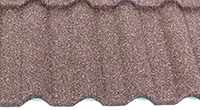
Milano
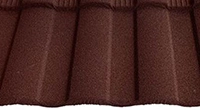
Roman
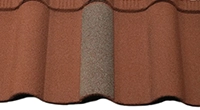
Groove
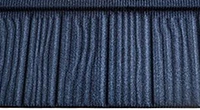
Makuti Grained

Slate
Lengthened
Roof Accessories
Roof Grade

Steel Coils

Corrugated Roofing Sheets
Corrugated Steel Sheet
Versatile Milano Design for Diverse Architectural Styles
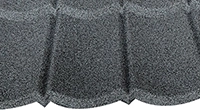
The Milano profile blends soft European curves with a textured stone granule surface, offering a refined alternative to plain metal sheets across residential, commercial and hospitality projects.
Its balanced rib pattern supports efficient rainwater drainage while creating a warm, high-end roofline that complements both modern and traditional facades.
Stone coated metal roof tiles should generally be installed on roofs with a minimum slope of about 12°–15° to ensure stable water shedding and long-term performance. Within this range, rainwater flows smoothly along the profile channels, reducing the risk of ponding, backflow and seepage at overlaps. For projects in areas with heavy rainfall, strong winds or frequent storms, a slightly steeper slope is recommended to further improve drainage efficiency.
If the roof slope is close to the minimum limit, additional attention should be given to underlayment selection, overlap length and flashing details at eaves, valleys and ridges. Proper batten spacing, correct panel alignment and secure fastening become even more important on flatter roofs, because water moves more slowly and any installation gap is more likely to be tested during sustained rain. Always confirm the final slope requirement with the specific tile profile and local climate conditions before installation.

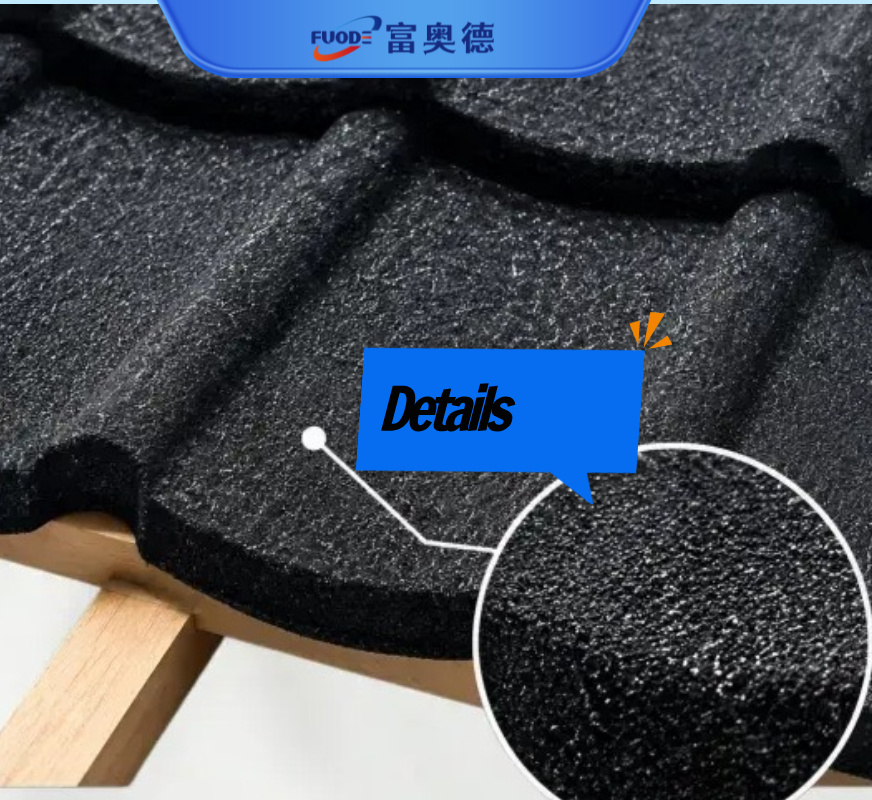
Low-quality products often use poorly bonded or low-grade granules that cannot withstand long-term UV exposure, rain impact and temperature changes. Over time, this may lead to color fading, surface dullness or granule loss, especially in harsh outdoor environments.
FUOEDE stone coated metal roof tiles use a multi-layer coating process to bond natural stone granules to the metal substrate. This helps improve adhesion, reduce granule shedding and maintain a consistent textured appearance throughout the roof’s service life.
A slight natural settling of color may occur after initial exposure to sunlight and weather, which is common for stone granule roofing. However, high-quality stone granules are designed to retain their overall tone and texture far better than low-grade painted or sprayed surfaces.
Yes. Natural stone granules have good UV resistance and thermal stability, so they do not soften, peel or discolor as easily as some low-quality coated finishes. This makes them suitable for regions with strong sunshine, high temperatures or long dry seasons.
Normal rain, wind and occasional hail should not cause significant granule loss on a properly manufactured stone coated metal roof. Excessive shedding is more commonly linked to poor granule quality, insufficient bonding or incorrect handling during transportation and installation.