Español
 العربية
 Francés
 Русский
 Português
 Deutsch
 日本語
 한국어
 Việt








How to Install Stone Coated Metal Roofing Ridge Caps: 5 Details Installers Often Ask About
How to Install Stone Coated Metal Roofing Ridge Caps: 5 Details Installers Often Ask About
Why Ridge Cap Installation Deserves More Attention
When a roofing crew installs stone coated metal roofing tiles, most of the work takes place across the main roof slopes. Once the tiles are laid in neat rows, the roof can already look almost finished from the ground. Then the installers reach the ridge, where the two roof slopes meet, and a few practical questions often come up. Which ridge cap should be used? How much should one piece overlap the next? Where should the fasteners go? Does the ridge need a closure component? And how can the ridge be finished without interfering with the roof's ventilation or water management design?
These questions may sound like small installation details, but the ridge is an important part of the roofing system. It is a junction where two roof slopes meet, and its shape, exposure to weather and connection to the rest of the roof all need to be considered. A ridge cap that looks suitable on its own may not fit the selected tile profile or the intended ridge detail. Likewise, simply covering the ridge with metal does not automatically mean the junction has been installed correctly. The underlayment, supporting structure, fastening arrangement and ventilation design may all affect the final result.
For importers and distributors, understanding these details is useful even if they do not install the roof themselves. It helps them select compatible accessories, ask better questions before placing an order and communicate more clearly with contractors. At FUODE ROOFING, we manufacture stone coated metal roofing tiles and understand why overseas buyers need the main tiles and their matching accessories to be considered together. In this article, we will look at five practical questions that installation teams commonly need to resolve. The exact method should always follow the selected roofing system's instructions, the roof drawings and applicable local requirements.
Detail 1: Choose a Ridge Cap That Matches the Roofing System
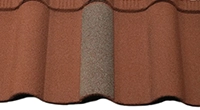
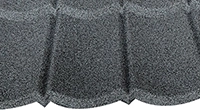
The first question is not how to fasten the ridge cap, but whether the selected ridge cap is suitable for the roof in the first place. Stone coated metal roofing comes in different profiles, and the shape of the main tile affects the way the roof meets at the ridge. A ridge cap designed for one roofing system may not sit correctly on another, even if the two products look similar in a catalogue photograph.
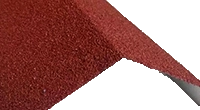
Before ordering, confirm the ridge cap type, dimensions, profile and intended application with the supplier. Some roofs use a conventional ridge where two sloping surfaces meet at the top, while other designs may include hips, changes in roof direction or several intersecting roof sections. Hip caps and ridge caps can look similar, but they may serve different locations or have different forming details. The correct component depends on the geometry of the roof and the roofing system being used.
It is also important to check the space beneath the ridge cap. The ridge may need a defined supporting structure or a particular closure arrangement, depending on the system. If the support height or position is different from what the cap was designed for, the installer may find that the cap does not sit evenly or that the planned fasteners cannot be placed correctly. Trying to solve this problem only after the main tiles have been installed can lead to extra adjustment on site.
For this reason, it is worth confirming the ridge detail before the materials are shipped. A roof drawing or a clear section drawing can help the supplier and installer understand how the ridge cap is intended to meet the tiles on both sides. For customized projects, confirm the relevant dimensions rather than relying on the product name alone. A few minutes spent checking compatibility before installation can save time when the crew reaches the final stage of the roof.
Detail 2: Which Direction Should the Ridge Caps Overlap?
Overlap direction is another question that comes up frequently. Installers need to know how adjacent ridge cap pieces should meet so the finished ridge follows the intended layout and manages water as designed. The answer depends on the particular ridge cap, the roof arrangement and the manufacturer's installation instructions, so it is not sensible to apply one universal direction to every product.
The basic principle is to follow the specified overlap arrangement and consider how water may travel across the exposed joints. The ridge cap should be installed in the sequence and orientation recommended for the selected roofing system, with the required overlap maintained between neighboring pieces. The installation should also account for the prevailing weather exposure and any specific requirements shown in the roof detail. Simply turning the pieces in whichever direction seems easiest may create an inconsistent appearance or leave the joints arranged differently from the intended design.
Before the crew starts, the contractor should identify the starting point, installation sequence and finishing point for the ridge. If the roof has several ridges or hips, these details should be reviewed on the drawings rather than assumed to be identical. The installer should also check whether the end pieces or junctions require special caps or formed components. A standard ridge cap may not be the correct finishing piece for every intersection.
Overlap length needs the same attention. The required overlap depends on the cap design and the system's instructions. If the overlap is too short, the pieces may not fit together as intended; if the overlap is unnecessarily large, the installer may use more material than planned or create a less consistent finish. Buyers should confirm the specified overlap with the supplier before preparing the final quantity calculation, especially when a project contains long ridge lines or several separate roof sections.
A practical habit is to make sure the installation team has access to the relevant product instructions before work begins. If the supplied drawings and the installer's experience appear to conflict, the discrepancy should be clarified before the entire ridge is completed. It is much easier to check one trial section than to dismantle a long run of finished caps later.
Detail 3: How Should Ridge Caps Be Fixed?
Fastening is not simply a matter of adding enough screws to hold the ridge cap down. The fixing method needs to suit the cap design, the supporting structure and the expected conditions at the roof. Roof height, wind exposure, support spacing, fastener type and the instructions for the selected system can all influence the arrangement. The installer should use the specified fasteners and fixing locations rather than copying a pattern from an unrelated roofing product.
Before installation, check what the ridge cap is intended to fasten into. Depending on the system, the cap may be secured to a ridge support, batten or another specified structural element. The support must be positioned and prepared in accordance with the roofing design. If it is too low, too high or incorrectly aligned, the cap may not sit as intended, and the fasteners may not engage with the planned support.
The type and length of fastener also matter. A screw that looks suitable may not provide the intended engagement with the supporting material, while a washer or sealing arrangement may be required at specified locations. Corrosion protection and compatibility with the roofing materials should be considered according to the project requirements. The correct specification should be confirmed with the roofing system supplier or responsible project professional.
Fasteners should be installed according to the product instructions, including the specified positions and tightening method. Excessive tightening can damage a washer or distort a component, while insufficient fixing may leave the piece insecure. Installers should avoid making up their own fastening pattern simply because it appears convenient. Where a project is exposed to strong winds or has unusual roof geometry, the fixing arrangement should be checked against the applicable design requirements.
For overseas buyers, this is one reason the accessory order and technical information should be discussed together. Supplying ridge caps without clarifying the intended fixing method can leave the contractor with unanswered questions on site. When requesting a quotation from a stone coated metal roofing manufacturer, buyers can ask which fasteners are specified, whether they are included in the supply scope and what installation reference is available for the ridge detail.
Detail 4: What About the Ridge Closure and Waterproofing?
A ridge cap covers the roof's upper junction, but the full ridge detail may involve more than the cap itself. Depending on the roofing system, closure components, underlayment arrangements, flashing or other materials may be needed to complete the junction. The exact combination varies with the roof design and the manufacturer's instructions, so installers should not assume that every ridge requires the same additional parts.
One issue to consider is how the ridge connects with the underlayment and the main roof covering. The underlayment and flashing details should be designed to manage water that reaches the relevant junction and direct it toward the intended drainage path. The ridge cap, supporting structure and surrounding tiles must work together as part of the roof assembly. If the detail has not been planned properly, adding sealant at the end may not resolve the underlying problem.
Sealants should be used only where they are specified and in a manner compatible with the roofing materials. They are not a substitute for correct overlaps, suitable flashing or the required mechanical fixing. Applying sealant without understanding the junction can make future inspection or maintenance more difficult and may not provide the intended performance. If the system includes a specific closure strip or formed component, the installer should confirm its location and function before beginning work.
The ridge should also be checked where it meets hips, gable edges, walls or other roof details. These intersections may require specially formed pieces or a particular installation sequence. Cutting a standard cap to fit an unusual junction without reference to the approved detail can leave an untidy finish or create an arrangement that differs from the roofing system's design. Where custom pieces are required, it is better to identify them during planning than to improvise when the crew is already on the roof.
Waterproofing details should always be considered alongside local rainfall conditions, roof pitch and the relevant building requirements. Stone coated metal roofing tiles are installed as part of a complete roof system, and the performance of a junction depends on more than the visible ridge cap alone. The designer or qualified installer should verify the complete detail for the specific project.
Detail 5: Should the Ridge Be Sealed Completely, or Does It Need Ventilation?
This question is particularly important because waterproofing and ventilation are sometimes treated as if they are the same issue. They are not. A roof may be designed with a ventilated ridge, a closed ridge or another specified arrangement, depending on the roof assembly and the ventilation strategy. The correct choice depends on the building design, the roofing system and the local climate and construction requirements.
Where a ventilated ridge is part of the design, the ridge detail needs to allow the intended airflow while helping limit the entry of wind-driven rain, insects or debris through the specified system. This may require a compatible ridge ventilation component or another approved arrangement. The installer should follow the manufacturer's instructions rather than leaving an uncontrolled gap beneath the cap or sealing every opening without checking the ventilation design.
A roof designed without ridge ventilation may require a different closure arrangement. In that case, the installer should use the components and sealing details specified for the system. It is not advisable to add ventilation openings simply because another roof uses them, just as it is not advisable to block an intended ventilation path without understanding its purpose.
The overall roof assembly also matters. Ventilation depends on the relationship between air intake, the available airflow path and the intended outlet. A ridge opening by itself does not guarantee effective roof ventilation if the rest of the assembly does not provide a suitable air path. In buildings where condensation control is important, the roof design should consider insulation, vapor control, underlayment and ventilation together, as appropriate for the climate and building use.
For installers, the practical lesson is to confirm the intended ridge arrangement before laying the final components. Ask whether the system requires a ventilation product, a closure component or a specified sealing detail, and verify that the selected parts are compatible with the tile profile. This avoids making a decision based only on what the ridge looks like from outside.
What Buyers Should Confirm Before Ordering Ridge Accessories
For importers and distributors, ridge cap installation begins well before the installer climbs onto the roof. The buyer should confirm the main tile profile, ridge cap type, approximate ridge and hip lengths, relevant junction details, required fixing materials and whether any ventilation or closure components are included. The quotation should make the scope of supply clear so that the buyer knows which items will arrive with the main tiles and which must be sourced separately.
If the project has several roof sections or customized details, sharing the drawings with the supplier is particularly helpful. It gives both sides a chance to identify unusual intersections and discuss whether standard accessories are suitable. Where quantities depend on the final installation method, the buyer should have them checked against the drawings and the installer's requirements before approving the order. The same review should be repeated if the roof design changes after the purchase order has been confirmed.
At FUODE ROOFING, we understand that overseas buyers need clear product information to coordinate their own contractors and suppliers. When discussing stone coated metal roofing tiles and related accessories, it is useful to confirm the selected profile and the project's requirements together, rather than treating each component as an unrelated purchase. The exact accessory package will depend on the roof design and the confirmed supply scope, and project-specific installation details should be verified by the responsible professional.
A Well-Finished Ridge Starts with Clear Planning
A neat ridge line is not created by the ridge cap alone. It depends on choosing a compatible component, following the specified overlap arrangement, fixing it to the correct support, completing the waterproofing details and respecting the roof's ventilation design. These five details may not take up much space in a quotation, but they deserve attention before the materials are ordered and before installation begins.
For contractors, confirming the ridge detail early can reduce avoidable adjustments during the final stage of the job. For importers and distributors, checking the accessory list alongside the main tiles can help prevent missing components and make communication with the installation team easier. Neither step replaces proper roof design or compliance with local requirements, but both help make the project more organized.
At FUODE ROOFING, we believe a reliable supply relationship is built through clear specifications, practical product communication and realistic expectations. If you are planning a stone coated metal roofing project, confirm the ridge cap type, accessory quantities and installation details before shipment. It is a small part of the overall roof area, but it deserves the same careful planning as the tiles covering the rest of the building.

— FUODE ROOFING —
Stone Coated Metal Roofing Source Factory | Shandong, China
www.fuode.com | Welcome factory visit & sample requests