Español
 العربية
 Francés
 Русский
 Português
 Deutsch
 日本語
 한국어
 Việt
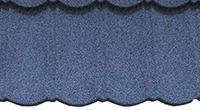
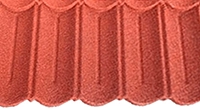

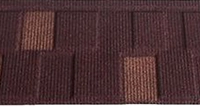
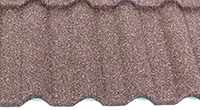
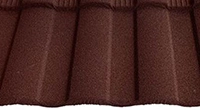
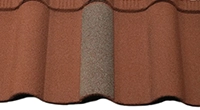
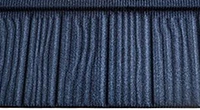

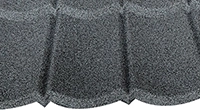




Before Sending Stone Coated Metal Roofing Samples: What Our Liaocheng Factory Checks
Before Sending Stone Coated Metal Roofing Samples: What Our Liaocheng Factory Checks
A Roofing Sample Is Small, but It Matters
When an overseas buyer asks for stone coated metal roofing samples, the request may look simple. The factory selects a few tiles, packs them and sends them to the customer. But from the buyer’s point of view, those samples often carry much more weight than their size suggests. They may be the first physical products the customer has ever received from the supplier, and the decision to place a trial order or move toward a container order may depend partly on what arrives.
For an importer or distributor, a sample is not just something to look at. It helps answer practical questions. Does the tile profile look right? Is the surface finish close to the expected color and texture? Are the edges properly formed? Does the product match the specifications discussed during the quotation stage? These are small details, but they help buyers decide whether it makes sense to continue with the supplier.
At FUODE ROOFING, our stone coated metal roofing tiles are produced at our manufacturing base in Liaocheng, Shandong, China. When preparing samples for overseas customers, we believe it is worth taking time to review the product before packing it. The purpose is not to suggest that a sample inspection can predict every detail of a future bulk order. It is to make sure the sample being sent is a suitable reference for the product under discussion and that the customer can evaluate it with a clear understanding of its specifications.
First, We Check Whether the Sample Matches the Customer’s Requirements
Before looking closely at the tile itself, it is important to confirm what the customer has actually requested. Stone coated metal roofing comes in different profiles, colors and specifications. A buyer may be interested in a classic profile for a residential project, a shingle-style appearance for a particular market, or another profile that suits the local roofing preference. Even when two products look similar in a photograph, their dimensions, shape and coverage can differ.
For this reason, the first check should be straightforward: does the sample selected for dispatch correspond to the profile and color discussed with the customer? If the customer has requested a specific thickness, size or surface appearance, those details should also be checked against the available product information. This sounds basic, but it prevents an avoidable problem: sending a sample that looks attractive but does not represent the product the customer intends to purchase.
Color confirmation deserves particular attention. A color name alone may not fully describe what a buyer expects, especially when customers are sourcing products for a market where local preferences are specific. A dark gray sample, for example, may appear warmer or cooler depending on lighting, while red and brown shades can look different under indoor lighting and natural daylight. Photographs can help during the early discussion, but they do not always show the exact appearance of a stone-coated surface.
When a customer has already approved a physical reference sample, that reference should be identified clearly so that the bulk-order discussion has a common starting point. If the customer is still choosing between several colors, it is better to explain the differences and let the customer make a considered selection rather than treating a quick photograph as the final confirmation. For FUODE ROOFING, the goal is to make the sample useful for a real purchasing decision, not simply to get a parcel out of the factory.
Checking the Surface Finish and Stone Granule Coverage
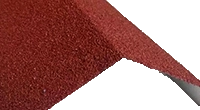
The surface is usually one of the first things a buyer notices when opening a stone coated metal roofing sample. Unlike a plain metal sheet, this roofing product has a granular finish that gives it its characteristic appearance. Buyers often look at the overall color, the distribution of granules, the texture and whether the surface looks consistent with the sample photographs they have received.
During a sample check, the surface should be examined under reasonable lighting. The reviewer can look for obvious bare areas, unusual marks, visible contamination or areas where the finish appears noticeably different from the surrounding surface. The purpose is to identify visible issues before the sample is packed, rather than assuming that every tile is acceptable simply because it has come off the production line.
Stone granules are natural materials, and some variation in their color and appearance can occur. This is worth explaining to overseas buyers, especially those who expect every tile to look exactly identical. The important question is whether the overall appearance meets the agreed product requirements and whether any visible variation falls within the acceptance criteria discussed with the customer. If a buyer has a particular color expectation, reviewing a physical sample is more useful than relying on a color name alone.
Granule adhesion is another point that deserves attention. The surface should be reviewed for obvious loose material or visible areas that appear incomplete. A visual check can help identify noticeable concerns, but it should not be presented as a complete laboratory test of adhesion performance. Where a customer has a defined test method or technical requirement, the factory and buyer should agree on how that requirement will be evaluated.
At FUODE ROOFING, we consider these surface details part of preparing a meaningful sample. A customer should be able to examine the product, ask questions and understand what the sample does and does not demonstrate before making a larger purchasing decision.
Tile Dimensions, Profile and Forming Accuracy
A sample also provides an opportunity to check the tile’s shape and basic dimensions. Stone coated metal roofing tiles are formed into specific profiles, and those profiles influence how the panels overlap and fit together during installation. A sample with the wrong shape or dimensions is not a useful reference, even if the color is correct.
Before dispatch, the relevant dimensions can be checked against the product specification. Depending on the product, this may include the overall panel length and width, the profile shape, the visible coverage area and other dimensions that are important for the buyer’s application. It is useful to distinguish between the overall panel size and the effective coverage size, because the area covered after installation may be smaller than the physical panel area due to overlaps.
The profile should also be examined for obvious forming issues. The raised sections, channels and edges should correspond to the intended design. If the sample is visibly distorted or has an irregular shape, it may create unnecessary questions for the customer and may not be suitable as an approval reference.
For buyers, this is also a good moment to ask how the product dimensions relate to the roof design. The number of tiles required for a project depends on the effective coverage area, roof layout, cutting requirements and installation details. A sample can help the buyer understand the profile, but final material quantities should be calculated from the confirmed product specifications and project measurements rather than estimated from a photograph.
We encourage customers to confirm the exact profile and dimensions before placing a bulk order. When the sample, specification sheet and quotation refer to the same product, it becomes easier for both parties to discuss quantity, packaging and cost without confusion.
Edges, Corners and the Underside Should Not Be Overlooked
It is natural to focus on the top surface of a roofing tile, because that is what people see once the roof is installed. However, the edges, corners and underside also deserve attention when checking a sample. These areas can reveal visible damage from handling, irregular cutting or forming issues that might otherwise be missed.
A sample inspection can include checking whether the edges look reasonably even, whether the corners show obvious dents or deformation, and whether the underside has visible marks or damage that needs clarification. The reviewer should also look at the tile as a whole rather than judging only one attractive section of the surface. A good sample reference should give the customer a realistic impression of the product that is being discussed.
Packaging condition is another part of sample preparation. Even a properly manufactured tile can be damaged if it is packed poorly or moves around during transportation. Before dispatch, the sample should be packed in a way that helps protect the surface and edges during normal handling. The packaging should also be suitable for the size of the sample and the expected shipping method.
For international shipments, the parcel may pass through several handling stages before reaching the buyer. While no packaging method can remove every transportation risk, careful preparation helps reduce avoidable damage and makes it easier for the customer to assess the sample on arrival.
What a Sample Can Tell You—and What It Cannot
One point we believe is important for overseas buyers is that a sample should be treated as a reference, not as proof of every aspect of product performance. It can help the buyer review the profile, surface appearance, basic dimensions and visible workmanship. It can also provide a physical reference for discussing color and finish before production.
However, a small sample cannot independently establish the performance of a complete roof system. It does not demonstrate how the roof will behave under every wind condition, how the full installation will perform on a particular roof structure, or whether the finished roof will meet all local building requirements. Those questions depend on the product specifications, roof design, installation method, supporting structure, fasteners, flashing details and applicable standards.
Likewise, receiving a satisfactory sample does not remove the need for clear bulk-order requirements. Before mass production, the buyer and factory should confirm the relevant specifications, acceptable appearance variation, quantity, packaging and any agreed inspection arrangements. If a customer has special requirements, those should be documented rather than left to memory or informal messages.
This approach helps both sides avoid unrealistic expectations. The factory understands what the customer is approving, and the buyer knows which characteristics have been checked and which questions still need to be addressed before ordering.
From Sample Preparation to Bulk Order Communication
For an overseas buyer, the sample is often the first physical step in a longer purchasing process. After receiving it, the customer may compare it with other suppliers, show it to a local distributor, discuss it with a project team or use it to make a final color selection. The clearer the sample information is, the easier those conversations become.
At FUODE ROOFING, we believe sample preparation should be connected to the wider order process. If a customer approves a profile and color, those details should be carried forward into the quotation and order confirmation. If the buyer changes the thickness, profile or surface requirement later, the updated specification should be confirmed before production. This may sound like ordinary communication, but it is often what helps prevent misunderstandings in international trade.
We also understand that customers have different purchasing needs. Some start with a small sample request, others place a trial order of around 1,000 pieces, and some buyers already have experience importing full containers. The appropriate next step depends on the customer's market, project requirements and purchasing plan. A sample is simply one way to make that next decision with more information.
A Careful Sample Check Is a Practical Start to Cooperation
When a sample leaves the factory, it represents more than a single roofing tile. It gives the buyer an opportunity to examine the product before committing to a larger order, and it gives the factory an opportunity to demonstrate how clearly it communicates specifications and handles the early stages of an inquiry.
For FUODE ROOFING, the aim is to prepare samples that match the agreed requirements as closely as practical, review visible product details before dispatch and help customers understand the specifications behind the product. We do not expect a sample to answer every technical question, but we do believe it should provide a useful and honest reference for the next discussion.
If you are sourcing stone coated metal roofing tiles from China, it is worth asking your supplier what profile and specifications the sample represents, what checks are carried out before dispatch, and how the approved sample will be referenced during bulk production. These questions are simple, but they can make the purchasing process clearer for both sides.
FUODE ROOFING welcomes inquiries from importers, distributors, wholesalers and roofing contractors who want to evaluate our stone coated metal roofing profiles. Share your preferred style, color, thickness and estimated quantity, and we can discuss a suitable sample and the product details you need to review before placing an order.

— FUODE ROOFING —
Stone Coated Metal Roofing Source Factory | Shandong, China
www.fuode.com | Welcome factory visit & sample requests