Español
 العربية
 Francés
 Русский
 Português
 Deutsch
 日本語
 한국어
 Việt
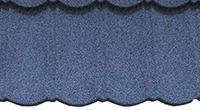
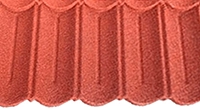

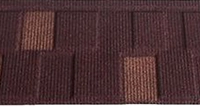
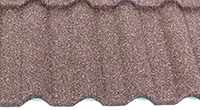
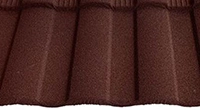
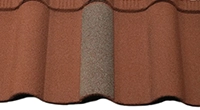



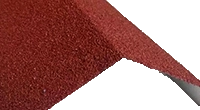
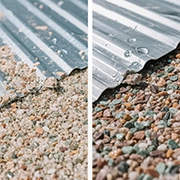




Stone Coated Metal Roofing Tile Color Consistency: How Our Liaocheng Factory Manages Stone Granule Batches
Stone Coated Metal Roofing Tile Color Consistency: How Our Liaocheng Factory Manages Stone Granule Batches
Why Can Stone Coated Metal Roofing Tiles Show Color Differences?
When customers choose stone coated metal roofing tiles, color is often one of the first things they look at. A dark grey roof, a warm brown roof or a mixed-tone profile can give a building a very different appearance, even when the roof structure remains the same. For distributors and contractors, the challenge is not simply finding an attractive color. It is making sure that the tiles delivered for a project look reasonably consistent with the approved sample and with one another after installation.
This is a practical concern, especially when ordering a large quantity. A small difference may be difficult to notice when looking at one tile on a desk, but it can become more visible when hundreds or thousands of tiles cover a continuous roof surface. Customers may also compare a newly delivered batch with samples received weeks earlier, or place a repeat order for a project that uses the same color. If the appearance is noticeably different, they need an explanation and a clear way to evaluate whether the product matches their requirements.
At FUODE ROOFING, we manufacture stone coated metal roofing tiles at our factory in Liaocheng, Shandong, China. From our experience with this type of product, color consistency is not something that can be handled only by looking at finished tiles before packing. It starts with the colored stone granules used in production and continues through color confirmation, production arrangements, surface inspection and comparison with the approved sample. Each step has its own purpose, and overlooking the early steps can make the final inspection much less effective.
It is also worth understanding one point before discussing the details: stone coated metal roofing tiles are made with colored stone granules rather than a completely smooth, uniform paint film. Natural mineral granules have their own texture and slight variations in shape, size and light reflection. The finished surface is therefore different from a painted metal sheet. The goal of color control is to maintain the agreed overall appearance and avoid unacceptable differences, not to suggest that every individual granule will look identical.
Color Control Starts with the Stone Granule Batch
The first thing to look at is the colored stone granule itself. These granules form the visible surface of stone coated metal roofing tiles, so their original color and appearance naturally influence the finished product. If the granule batches differ in shade, surface texture or the way they reflect light, the finished tiles may also look different, even when the same production profile and general color name are used.
This is why a color name alone is not always enough for production. Terms such as charcoal grey, dark grey, brown or red can mean different things to different buyers. Two people may both describe a tile as grey while imagining noticeably different shades. A photograph can make the problem even harder to judge because lighting, camera settings, screen brightness and image processing all affect the way color appears. Before production begins, it is much more useful to establish a physical sample or an agreed color reference than to rely on a short description or a picture sent through a messaging app.
The batch itself also matters. When new colored stone granules arrive, their appearance should be checked against the reference used for the relevant product. If the material looks different, the difference needs to be reviewed before it is introduced into production. Depending on the order requirements and the nature of the variation, the factory may need to request clarification, confirm whether the material is suitable for the approved color, or arrange a new sample for customer review. The important point is that a change in raw material appearance should not be ignored simply because the material carries a familiar color name.
For a stone coated metal roofing manufacturer, keeping the raw material batch information clear is also useful for later investigation. If a question about color arises after production, knowing which granule batch was used can help the team trace the relevant manufacturing records. It does not automatically prove the cause of a difference, but it gives the factory a practical starting point instead of relying on memory or guesswork.
An Approved Sample Gives Both Sides the Same Reference
Before bulk production, the customer and factory need to agree on what the selected color should look like. At FUODE ROOFING, we believe this is an important part of communication, particularly for overseas buyers who may not be able to visit the factory in person. A physical sample gives both sides something concrete to discuss and compare.
For example, a customer may choose a dark grey stone coated roofing tile because it looks suitable for a residential development. The customer might expect a relatively cool grey appearance, while a photograph on a supplier's website makes the same color appear slightly blue or almost black. Without a physical reference, both sides could believe they have agreed on the same color while actually imagining different results. Confirming a sample before production helps reduce this kind of misunderstanding.
The approved sample should be treated as a reference throughout the order, not simply as a sales sample that is forgotten once the deposit is received. When production is underway, representative finished tiles can be compared with it under similar lighting conditions. The comparison should consider the overall shade, the distribution of different colored granules, the surface texture and the visual effect of the profile. Looking at the tile from different angles can also help, because the raised and recessed areas of a roofing profile may reflect light differently.
There is one limitation worth explaining clearly. Even when the same sample is used as a reference, a photograph of the sample and a photograph of the finished batch may still look different on a screen. This does not necessarily mean that the product has changed. If color is important to a project, it is better to compare physical samples side by side under consistent lighting, rather than making a final decision from photographs taken in different environments.
For customized orders, this step becomes even more important. If the buyer requests a particular shade, a combination of granule colors or a product intended to match an existing roof, the color reference and acceptance expectations should be confirmed before the order enters full production. The more specific the agreement is at the beginning, the easier it is to discuss the finished goods fairly.
Production Checks Help Keep the Appearance Consistent
Once the stone granules and color reference have been confirmed, the next task is to monitor the finished surface during production. Raw material control is important, but it is only one part of the process. The way the granules are distributed and bonded to the tile also affects the final appearance.
During production, visual checks can help identify uneven granule coverage, obvious patches, exposed areas or differences that stand out from the approved reference. The team can examine representative tiles from the production run rather than waiting until every tile has been completed. If a noticeable variation appears, the relevant material and process information can be reviewed before more products are made. The purpose is to identify potential issues early enough to investigate them while the production details are still available.
It is important to distinguish between a real color difference and a difference in surface texture. Stone granules have a textured, granular appearance, and the same color can look lighter or darker depending on the angle of the light. A surface with more visible highlights may appear brighter, while the same tile under softer lighting may look more subdued. Differences in granule size and distribution can also change the overall visual impression without necessarily indicating that a different color material was used.
This is why a color inspection should not focus on a single small area or one tile viewed from one angle. A more useful approach is to place several representative tiles together and assess the overall appearance. For larger orders, the inspection plan should also specify how samples are selected from the batch. Checking only one attractive tile may not provide enough information about the consistency of the complete order.
At FUODE ROOFING, our general quality-control approach includes checks before production, monitoring during manufacturing and finished-product inspection before shipment. The inspection items depend on the product and the requirements agreed for the order. For stone coated metal roofing color consistency, the approved sample and the confirmed product requirements provide a practical basis for reviewing the finished appearance.
Why Lighting and Installation Can Change the Way a Roof Looks
Sometimes a customer receives tiles that appear close to the approved sample, but after installation, the roof seems to have different shades in different areas. It is understandable that the customer may immediately suspect a production color issue. However, before drawing a conclusion, it is worth checking how the tiles were stored, mixed and installed, as well as the conditions under which the roof is being viewed.
Light is one of the most common reasons for a difference in visual perception. A sample photographed indoors may appear darker than the same tile photographed outside on a bright day. Direct sunlight can bring out highlights in the stone granules, while an overcast sky may make the same surface appear flatter. The direction of the roof slope and the position of the sun can also influence the way different sections of the roof are seen.
Installation arrangement matters, too. If tiles from different packages or production batches are installed in separate areas, any small variation between those batches may become more noticeable. Where the project involves multiple batches, the contractor should discuss the installation arrangement with the supplier rather than assuming that every carton can be placed anywhere without consideration. Depending on the product, order and site conditions, mixing tiles from different packages during installation may help distribute minor visual variations more evenly. This should be planned with the supplier and installer, not treated as a universal rule for every roofing system.
Storage and handling deserve attention as well. Dust, moisture, surface contamination or differences in the condition of the tiles can influence what the installer sees before installation. Tiles should be handled and stored in accordance with the supplier's guidance, and any visible concern should be raised before the materials are spread across the roof. Once the tiles have been installed over a large area, identifying and correcting a suspected color issue can become more complicated.
For this reason, we encourage buyers and contractors to review the material before installation begins. If a difference appears, take photographs of the affected tiles, keep the packaging or batch identification where available, and compare the products with the approved sample under similar lighting. These simple steps help the factory and customer discuss the issue using clear information rather than relying only on the impression that one area looks lighter or darker.
What Should Buyers Ask a Factory About Color Control?
When comparing stone coated metal roofing suppliers, buyers often focus on price, steel thickness, profile and delivery time. These are all important, but it is also reasonable to ask how the factory handles color confirmation and raw material batches. The answers can help buyers understand whether the supplier has a clear process for dealing with appearance requirements.
A useful discussion starts with the color reference. Ask whether the factory can provide a physical sample and whether that sample will be used when reviewing the bulk production. If you are ordering a customized color, clarify how the color will be confirmed before manufacturing and what reference both sides will use if a question arises later. If the project requires a close match to an existing roof, explain that requirement at the beginning and provide a representative sample where possible.
It is also worth asking how the factory identifies raw material batches and handles a noticeable variation in the colored stone granules. You do not need to know every detail of the production process, but the supplier should be able to explain how material appearance is reviewed, how the approved sample is used and what happens when a difference needs further investigation. For a large project, buyers may also agree on the scope of pre-shipment inspection and whether a third-party inspection company will be involved.
Another practical point is repeat ordering. If you expect to buy the same color several times over the year, discuss how the previous sample and order specifications will be retained as references. A color name on an old invoice may not provide enough detail by itself, especially if the product is customized. Keeping the approved sample and relevant order information makes future discussions more straightforward, although it cannot guarantee that all future raw material batches will be visually identical.
At FUODE ROOFING, we understand that overseas buyers need more than a product photograph to make a purchasing decision. They need to know what they are ordering, how the appearance will be reviewed and how questions can be handled if the delivered goods do not seem to match the agreed reference. These details are part of the communication we encourage customers to have with us before confirming an order.
Color Consistency Is a Process, Not Just a Final Check
For stone coated metal roofing tiles, controlling color differences starts before the finished tile comes off the production line. The colored stone granule batch establishes the starting point. A confirmed physical sample gives the buyer and factory a shared reference. Production monitoring helps identify visible variation, while finished-product inspection provides another opportunity to compare the order with the agreed requirements before shipment.
No responsible manufacturer should promise that every granule or every tile will look absolutely identical under all lighting conditions. The surface is textured, and its appearance can change with viewing angle, light and installation arrangement. What matters is having a clear reference, checking the relevant materials and finished products, and communicating openly when a variation needs to be reviewed.
At FUODE ROOFING, we see color control as part of the wider quality-management process for stone coated metal roofing. For importers, distributors, roofing contractors and project buyers, discussing these details before production can help reduce misunderstandings and make inspection more practical. If you are selecting a color for a new project or planning a repeat order, confirming the sample, the color reference and the inspection expectations early is a sensible place to start.
A roof covers a large visible area, so color deserves careful attention long before installation. By starting with the stone granule batch and carrying the same reference through production and final inspection, a factory can make the color-control process clearer for everyone involved. That is the approach we aim to follow at FUODE ROOFING: clear specifications, practical checks and honest communication from the beginning of an order to the point when the finished tiles are ready to ship.

— FUODE ROOFING —
Stone Coated Metal Roofing Source Factory | Shandong, China
www.fuode.com | Welcome factory visit & sample requests