Español
 العربية
 Francés
 Русский
 Português
 Deutsch
 日本語
 한국어
 Việt







Stone Coated Metal Roofing Accessories Checklist: One Missing Item Can Delay Installation
Stone Coated Metal Roofing Accessories Checklist: One Missing Item Can Delay Installation
Why Roofing Accessories Deserve Attention Before Shipment
When buyers place an order for stone coated metal roofing tiles, most of the conversation naturally focuses on the main product. They confirm the tile profile, color, steel thickness, quantity, price and delivery date. Once these details are settled, it may seem that the most important purchasing work is finished. However, anyone who has coordinated a roofing project knows that the main tiles are only one part of the material requirement. The accessories used at ridges, valleys, eaves, gable edges and roof intersections also need to be planned and confirmed before the materials arrive at the job site.
Imagine a contractor has arranged workers, prepared the roof battens and scheduled installation to begin on Monday. The main tiles arrive as planned, and the team starts laying them. Then the installer discovers that the ridge caps are missing, the valley flashing has not been included, or the specified fasteners are not available. The crew may be able to continue with another section for a while, but eventually the missing component can hold up the work. Workers may need to wait, the contractor may need to place an urgent local purchase, and the appearance or compatibility of the replacement material may not match the original plan. Even when the missing item is relatively inexpensive, the delay can cost more than expected.
This is why a stone coated metal roofing accessories checklist should be prepared alongside the main tile order, not after the shipment has left the factory. At FUODE ROOFING, we manufacture stone coated metal roofing tiles, and we understand that overseas buyers need to consider the complete roofing arrangement when planning a project. The exact accessories depend on the roof design, tile profile, installation method and local requirements, so there is no single fixed package that fits every building. What matters is identifying the relevant components early and confirming who will supply each one.
Start with the Roof Drawing, Not Just a Product Catalogue
A common mistake in roofing procurement is to select accessories simply by looking at a general product catalogue. A catalogue is useful for understanding the available components, but it cannot tell you exactly what a particular roof needs. A simple gable roof and a roof with several valleys, dormers, chimneys and wall intersections may use the same main tile profile, yet their accessory requirements can be quite different.
Before preparing the order, the buyer or project coordinator should review the roof drawing and identify the main junctions. Where does the roof slope meet the ridge? How many gable edges are there? Does rainwater flow into valleys between roof sections? Are there chimneys, ventilation pipes, skylights or walls that intersect the roof surface? Is a gutter system planned at the eaves? These questions help turn a general product list into a project-specific material plan.
The roof dimensions are equally important. Ridge length, valley length, eave length and gable edge length all affect the quantity of accessories required. The number of roof penetrations and the complexity of the roof shape can also change the final list. Measurements should be taken from the relevant drawings or verified site information, and allowances for overlap, cutting and installation should be agreed with the installer or project engineer. Ordering quantities from roof area alone can be misleading because two roofs with the same area may have very different junction details.
For overseas orders, it is helpful to send the supplier a roof plan, approximate dimensions and photographs or drawings of the key junctions before confirming the accessory quantity. If the project drawings are still being revised, make that clear. The factory can then discuss which items may be quoted with the main tiles and which details still need confirmation. This simple step helps reduce the risk of ordering a standard set that does not fully match the actual roof.
Ridge Caps, Gable Edges and Eave Components
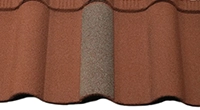
Ridge caps are among the most recognizable stone coated metal roofing accessories. They are used at the meeting point of two roof slopes or along the ridge arrangement specified for the roofing system. Their shape, dimensions and installation method need to be compatible with the roof profile and the intended ridge detail. Before ordering, confirm the total ridge length, the relevant cap type and how the pieces are intended to overlap or connect. The ridge should not be treated as an afterthought, because the finishing components affect both the completed appearance and the way the junction is detailed.
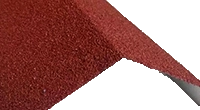
Gable edges need similar attention. Depending on the roof design and system, edge flashing or other finishing components may be required where the roof slope ends at the side of the building. These components help form a finished edge and manage the junction between the roofing surface and the roof structure. The correct shape and installation method depend on the system being used, so buyers should not assume that one edge component will suit every tile profile.
Eaves are another area where the material list should be reviewed carefully. The eave is the lower edge of the roof slope, where water is directed toward the gutter or away from the building according to the drainage design. Depending on the roofing assembly, eave flashing, drip-edge components or other related materials may be specified. The underlayment termination, fascia, gutter arrangement and roof ventilation details may also affect what is needed.
These components are easy to overlook because they do not cover as much area as the main tiles. However, they are installed at specific locations, and substituting an unrelated piece may require additional cutting or adjustment on site. Before shipment, confirm the profile, dimensions, quantity and intended location of each component rather than relying on a name alone.
Valley Flashing and Roof Junction Details
Valleys deserve particular attention because they collect and direct water from adjoining roof slopes. A roof with several intersecting sections may need more valley material than a simple roof of similar area. If the valley flashing is missing or its dimensions have not been confirmed, installation can be delayed while the contractor decides how to complete the junction.
The valley arrangement should be reviewed with the roof design and the selected roofing system. The required material, width, overlap, underlayment and installation sequence depend on the project and local construction requirements. Buyers should not assume that valley details can be decided entirely by the tile supplier without reference to the roof drawing. The designer, installer and supplier may all need to confirm different parts of the arrangement.
Other junctions can require additional planning. These may include roof-to-wall intersections, chimneys, skylights, ventilation pipes and changes in roof slope. Depending on the design, the project may require flashing, formed metal pieces, sealing materials or other components specified by the roofing system. Some details can be prepared using standard components, while others may need project-specific measurements or fabrication.
This is where communication before production becomes useful. If the supplier understands the roof layout early, the buyer has more time to check whether the proposed accessories are suitable and whether any special pieces need to be arranged separately. If the drawings change after the order is confirmed, the accessory list should be reviewed again. A small change in roof geometry can affect flashing lengths, junction quantities and the finishing components required.
Fasteners, Sealants and Installation Materials
Not every item needed on a roofing site is a formed metal accessory. Fasteners and specified sealing materials also need to be considered. The type, length, coating and installation location of roofing screws or other fasteners should follow the selected roofing system and the project requirements. The supporting structure, batten arrangement, local wind conditions and installation instructions can all influence the appropriate fastening method.
It is risky to assume that any screw available in the local market will be suitable. A fastener may look similar but differ in length, corrosion protection, washer design or compatibility with the roof assembly. Buyers should confirm the required specifications with the supplier or responsible project professional before purchasing. The same principle applies to sealants and other materials used at particular junctions: their use and compatibility should be determined by the actual detail rather than by guesswork.
Underlayment, battens, ventilation components and drainage materials should also be reviewed as part of the wider roofing plan, even when they are not supplied by the stone coated metal roofing manufacturer. The important distinction is between the items included in the tile order and the items that the contractor must source separately. A clear division of responsibility helps prevent both missing materials and unnecessary duplicate purchases.
For distributors importing stone coated metal roofing tiles, this distinction is especially useful. A quotation may include the main tiles and selected accessories but exclude timber battens, underlayment, gutters or locally specified fasteners. If the quotation does not state the scope clearly, the buyer may believe the order is complete when several installation materials are still outstanding. Confirming the scope in writing is more reliable than assuming that the phrase “complete roofing package” means the same thing to every supplier.
How to Prepare an Accessory List Before Ordering
A useful accessory list connects each item to a location on the roof. Instead of writing only “ridge caps” or “flashing,” identify the roof section, approximate length, component type and required quantity wherever this information is available. For items whose quantity depends on the installation method, ask the installer or supplier to verify the calculation before the purchase order is finalized.
The list should also distinguish between standard accessories and special components. Standard pieces may be available in established profiles or dimensions, while a roof with unusual angles or junctions may require a separate drawing or confirmation. If the project uses a customized tile profile, it is particularly important to check that the proposed accessories are designed for that profile rather than copied from a different roofing system.
Before shipment, compare the final accessory list with the quotation, purchase order and packing information. Confirm which items are supplied by the factory, which are sourced locally and which remain subject to final drawings. For long or irregular components, review packaging and handling arrangements as well. Some accessories may need protection against bending or surface damage during transportation, and the buyer should understand how these items will be packed.
It is also sensible to check quantities before the goods leave the factory. This does not mean that a packing list alone can resolve every installation issue, but it gives the buyer an opportunity to identify obvious omissions while the order details are still accessible. If a third-party inspection is planned, the scope can specify which accessories and quantities should be checked. For a complex roof, the buyer may also arrange a technical review of the accessory schedule before shipment.
How FUODE ROOFING Helps Buyers Clarify Their Requirements
At FUODE ROOFING, we know that overseas buyers are not only purchasing roofing tiles. They are coordinating suppliers, freight, contractors, site schedules and project budgets, often across different countries and time zones. Clear communication about accessories is therefore part of practical order preparation. When a customer shares the roof drawing, selected tile profile and project requirements, we can discuss the relevant product options and help clarify which accessory details need to be confirmed before the order proceeds.
The exact scope depends on the project. Some buyers may need the main tiles and a selection of matching ridge or edge components, while others may be coordinating a more complex roof with valleys and several penetrations. We do not assume that every project requires the same package, and buyers should confirm the included items in the quotation rather than relying on a general description. Where technical design or local code compliance is involved, the responsible designer or qualified installer should verify the final details.
For repeat orders, keeping the approved profile, accessory specifications and previous order records can also make communication easier. If the next project uses a different roof layout, the accessory quantities still need to be recalculated rather than copied automatically from an earlier order. The main tile profile may remain unchanged while ridge lengths, valley lengths and edge details vary from building to building.
A Complete Roofing Plan Begins Before the Tiles Arrive
A missing roofing accessory does not always stop an entire project, but it can interrupt the planned sequence of work, create additional purchasing tasks and make coordination more difficult. Ridge caps, gable edge components, eave details, valley flashing, fasteners and junction materials all deserve attention before the shipment is finalized. Their quantities and specifications should follow the actual roof design, the selected roofing system and the installation requirements.
For buyers of stone coated metal roofing tiles, the most practical approach is to prepare the accessory list alongside the main tile order, confirm the scope of supply and review the final quantities before shipment. Sharing drawings early, asking clear questions and keeping the approved specifications together can help reduce avoidable misunderstandings between the buyer, factory and installer.
FUODE ROOFING believes that reliable supply starts with clear requirements. By discussing the main tiles and related accessories before production and shipment, buyers can plan their materials more confidently and give their installation teams a clearer starting point. The roof may look like one finished surface when viewed from the ground, but getting that result depends on many individual components being considered at the right time.

— FUODE ROOFING —
Stone Coated Metal Roofing Source Factory | Shandong, China
www.fuode.com | Welcome factory visit & sample requests