Español
 العربية
 Francés
 Русский
 Português
 Deutsch
 日本語
日本語
 한국어
한국어
 Việt
Việt




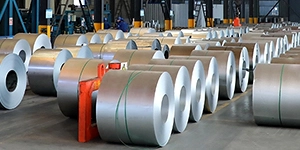



Stone Coated Metal Roofing Export Orders: Why Repeat Buyers Plan Ahead with a Factory in Liaocheng
Stone Coated Metal Roofing Export Orders: Why Repeat Buyers Plan Ahead with a Factory in Liaocheng
Why Experienced Buyers Do Not Wait Until the Last Minute
In the roofing materials business, placing an order is rarely just a matter of choosing a product and paying a deposit. For importers, wholesalers and roofing distributors, a purchase often needs to fit into a much bigger plan. Stock has to be available when local customers need it, shipping needs to be arranged, warehouse space must be considered, and the selected products have to match the expectations already created by samples, catalogues or previous orders. When several parts of the supply chain depend on one another, waiting until the last minute can make the whole process harder to manage.
This is one reason repeat buyers often begin discussing their next stone coated metal roofing order before their current stock has completely run out. They already have a better understanding of which profiles sell in their market, which colors customers ask for, and how long it may take for a new shipment to reach their warehouse. Instead of treating every purchase as a separate decision, they can use the experience of previous orders to plan the next one more carefully.
At FUODE ROOFING, our manufacturing base is in Liaocheng, Shandong, China. We produce stone coated metal roof tiles for customers in different markets, including buyers who need standard products and businesses exploring OEM or ODM arrangements. Through these conversations, one practical point becomes clear: a good purchasing plan begins before the factory starts production. Confirming the product, quantity, specifications and expected schedule early gives both the buyer and manufacturer a clearer basis for organizing the order.
Of course, every customer has a different sales cycle, and not every order needs to be placed months in advance. The right timing depends on the product, order quantity, production requirements, shipping route and destination market. But for distributors who rely on regular stock replenishment, early communication can be a useful way to reduce last-minute pressure and keep purchasing decisions connected to actual demand.
Production Capacity Is About More Than the Size of a Factory
When buyers talk about reserving factory capacity, they are not simply asking how many roofing tiles a manufacturer can produce in a year. They are usually asking a more immediate question: can the factory arrange my order within the period I need, with the specifications we have agreed on? Annual production capacity provides useful background, but it does not by itself confirm the schedule for a particular order. Product type, quantity, customization requirements, current production commitments and material preparation can all affect the arrangement.
For example, an order for a standard profile in an available color may involve different preparation from an order that requires a new color reference, customized dimensions or private-label packaging. Even when the products belong to the same category, their production requirements may not be identical. That is why we encourage buyers to discuss the details of their order instead of relying only on a general production estimate.
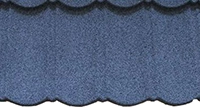
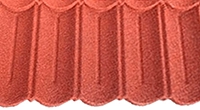
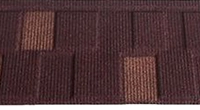
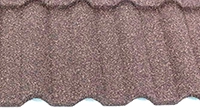
At FUODE ROOFING, our product range includes profiles such as Bond, Classic, Shingle and Milano, alongside other available designs. Different profiles create different roof appearances and may suit different customer preferences. A distributor may want to replenish several established products, while a project buyer may need a particular profile and color for one development. These requirements should be clarified before production scheduling is confirmed.
Early planning also gives both sides more time to review details that are easy to overlook when an order is rushed. The buyer can check the product specification and confirm the requested quantity, while the factory can review the production arrangement and identify any information that is still missing. If a requested color, profile or size requires additional confirmation, it is better to discuss that before the order reaches the production stage.
When a buyer asks to reserve capacity, a useful next step is therefore to turn the request into a clear order plan. The selected product, estimated quantity, specification, sample status, packaging requirements and target shipping period should be discussed together. A schedule can then be evaluated against the actual order rather than based on a general promise that may not reflect the production situation.
Why Repeat Buyers Have an Advantage: They Know What Needs to Be Confirmed
A first-time buyer and a repeat customer often approach an order differently. A new customer may still be comparing profiles, checking samples and learning how the product is specified. A repeat buyer may already know which tile works for their market, which colors move more quickly and what their local customers expect. This experience can make the next order easier to prepare, provided that the product requirements are reviewed rather than simply assumed to be unchanged.
For stone coated metal roof tiles, a previous order is a useful reference, but it should not replace clear confirmation. The buyer and manufacturer should still agree on the profile, steel substrate and thickness, color, dimensions, packaging and any other relevant specifications. If the new order differs from the previous one, the changes should be recorded before production begins. This is particularly important for distributors who sell under their own brand or need to maintain a consistent product range across multiple shipments.
Color deserves special attention. A photograph on a phone or computer screen can help with initial selection, but it cannot always represent the exact appearance of the finished product. Lighting, display settings and photography can affect how a shade appears. For a new color or a specification that has changed, a physical sample provides a more useful reference. Once the buyer approves the sample, keeping a record of that approval helps both sides understand what the production batch is expected to match.
The same principle applies to customized orders. FUODE ROOFING offers OEM and ODM options for suitable requirements, including logo marking, color development and adjustments to profiles or dimensions, subject to technical feasibility and order conditions. These arrangements can be useful for distributors developing their own product range, but customization needs time for discussion and confirmation. Artwork, specifications and samples should be approved before the production schedule is finalized.
For repeat customers, the most useful information is often already available from earlier orders. Retaining approved samples, written specifications, packaging details and inspection records can make future communication more efficient. It also helps avoid the common assumption that everyone remembers exactly what was agreed several months ago. In international trade, a written reference is usually more reliable than memory.
Quality Checks Should Be Planned Before the Order Is Ready to Ship
Production scheduling is important, but speed alone does not make an export order successful. Buyers also need a clear understanding of how the finished tiles will be checked before shipment. If inspection requirements are only raised after production is complete, there may be less flexibility to arrange additional checks, resolve questions or coordinate an independent inspection without affecting the shipping plan.
At FUODE ROOFING, our quality control approach covers three stages: checking materials and production requirements before manufacturing, monitoring quality during production, and inspecting finished products before shipment. These stages serve different purposes. Pre-production checks help establish the product requirements, in-process monitoring helps identify potential inconsistencies while manufacturing is underway, and finished-product inspection provides an opportunity to compare the goods with the agreed specification and approved sample.
The exact inspection items depend on the product and the order. They may include the tile profile, dimensions, surface appearance, stone granule distribution, edges and corners, quantity, labels and packaging condition. If a buyer has a particular inspection plan or needs a third-party inspection, that requirement should be discussed early enough for the relevant arrangements to be confirmed. Any special testing or documentation requirements should also be agreed before production or shipment, rather than assumed to be included automatically.
An approved sample is especially useful when the order involves a particular color or customized product. It provides a physical reference for comparing the finished batch. However, sample approval and bulk inspection are not the same thing: a sample confirms the buyer's selected reference, while inspection assesses the production goods according to the agreed method and scope. Using both thoughtfully gives the buyer a clearer process for evaluating the order.
For repeat buyers, these steps can become part of a regular procurement routine. Instead of starting from zero each time, the customer and factory can review the previous order records, confirm any changes and agree on the checks needed for the next shipment. This does not eliminate every possible production or transport issue, but it makes expectations clearer and helps the parties identify questions earlier.
Export Preparation Begins Before the Container Is Loaded
Once the tiles are produced and inspected, the order still needs to be prepared for its journey. Export planning involves more than choosing a shipping date. Packaging, product identification, order quantity, loading arrangements, shipping documents and coordination with the buyer or freight forwarder all need attention. The specific requirements depend on the destination, transport method and terms agreed between the parties.
For an importer or distributor, this is another reason to communicate with the factory before stock becomes urgent. If a shipment needs to arrive before a local sales season or a planned construction period, the buyer should allow time for production, inspection, loading, transit and destination handling. International shipping schedules can change, and customs procedures or local delivery arrangements may introduce additional variables. A responsible schedule should account for these factors rather than treating the factory completion date as the final delivery date.
Packaging requirements also deserve confirmation. Tiles should be identified and packed in a way that supports the planned handling and transport process. For mixed-profile or mixed-color orders, clear labeling can help warehouse teams distinguish products after arrival. Buyers should communicate any specific marks or packaging arrangements before production is completed, especially when the products are intended for private-label distribution.
At FUODE ROOFING, we encourage customers to share their destination, order structure and shipping expectations as early as possible. This allows the relevant details to be discussed together instead of being handled as separate last-minute tasks. The factory is responsible for the agreed manufacturing and packing arrangements, while the buyer and logistics partners need to coordinate the shipping and destination requirements according to their contract.
How FUODE ROOFING Works with Overseas Buyers
As a source manufacturer of stone coated metal roofing tiles, FUODE ROOFING works directly with customers on product selection, specifications and suitable customization. Our factory is based in Liaocheng, Shandong, and our products serve customers in international markets. We understand that an overseas buyer needs more than a price quotation. They need enough information to compare options, understand what is included in the order and decide whether the product fits their market or project.
Our conversations with buyers typically begin with the product itself. Which profile are you considering? Do you have a color reference? What quantity do you expect to order? Is the product for distribution, a specific construction project or your own brand? Are there requirements for packaging, inspection or documentation? The answers help establish what needs to be confirmed before the order moves forward.
For new customers, we can discuss available profiles, color options, samples and product specifications. For existing customers, we can review the previous order and identify what has changed, if anything, before preparing the next one. For buyers interested in OEM or ODM cooperation, the discussion may also include branding, color development, dimensions and other suitable adjustments. Each request is evaluated according to its technical feasibility and order conditions.
We believe a useful supplier relationship is built through clear communication rather than broad promises. If a schedule depends on a particular specification or production arrangement, that should be explained. If a sample needs approval before manufacturing, that should be part of the plan. If a buyer requires a specific inspection method, the scope and timing should be confirmed. These are ordinary details, but they matter when the buyer and factory are working across different countries and time zones.
Planning Ahead Is a Practical Business Decision
For a repeat buyer, reserving production capacity is not necessarily about ordering as early as possible. It is about making purchasing decisions at the right time, based on sales expectations, stock levels, project requirements and the realities of international shipping. A factory cannot confirm an appropriate schedule without understanding the order, and a buyer cannot plan confidently without clear information about the product and production arrangement.
This is why early communication can be valuable for both sides. The buyer has more time to confirm the specifications and organize stock replenishment. The factory has a clearer view of the upcoming requirements and can evaluate the production arrangement. Quality inspection, packaging and shipping can then be considered as part of the same order plan, rather than being left until the last moment.
At FUODE ROOFING, we welcome inquiries from importers, wholesalers, roofing distributors, contractors and project buyers looking for stone coated metal roof tiles. Whether you are placing your first order or planning repeat purchases, we are happy to discuss the available profiles, colors, specifications, sample arrangements and export requirements.
From our factory in Liaocheng to customers in different markets, our aim is to make the sourcing process clear and practical. A well-prepared order starts with a straightforward conversation, continues through confirmed specifications and production checks, and finishes with organized packing and shipment arrangements. For buyers planning their next stone coated metal roofing order, that conversation can begin well before the warehouse shelves are empty.

— FUODE ROOFING —
Stone Coated Metal Roofing Source Factory | Shandong, China
www.fuode.com | Welcome factory visit & sample requests