Español
 العربية
 Francés
 Русский
 Português
 Deutsch
 日本語
日本語
 한국어
한국어
 Việt
Việt
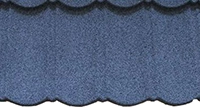
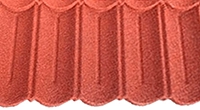

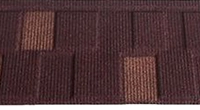
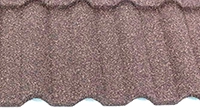
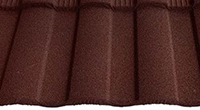
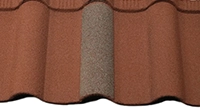
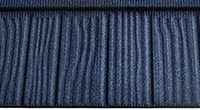

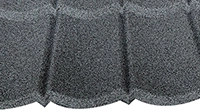
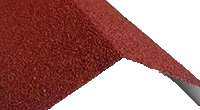
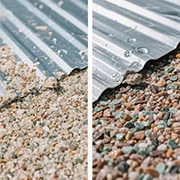




From Roofing Offcuts on Site: What the Cut Edge Reveals About Stone Coated Metal Roof Tiles
From Roofing Offcuts on Site: What the Cut Edge Reveals About Stone Coated Metal Roof Tiles
Sometimes, a Small Piece Tells You More Than a Whole Tile
Walk around a roofing project after installation and you may notice something that rarely appears in product catalogues: small pieces of roofing material left over from cutting. They might be beside the wall, near the roof edge or collected in a corner with other construction offcuts. Most people see them as waste and move on. But for someone who buys, installs or distributes stone coated metal roof tiles, these little pieces can be worth a closer look.
The surface of a finished tile is designed to be seen from a distance. Its color, stone texture and profile are what make one roofing style look different from another. The cut edge tells a slightly different story. It offers a closer view of the metal base and the layers that make up the finished product. You can begin to understand what sits beneath the colored stone granules, how the formed steel sheet looks at the edge, and why the coating system matters alongside the appearance of the roof.
Of course, one small offcut cannot tell you everything about a roofing product. It cannot confirm the exact steel thickness, corrosion resistance or long-term outdoor performance without the relevant specifications and tests. Still, it can provide a useful starting point for asking better questions. At FUODE ROOFING, we believe buyers should understand not only what a stone coated metal roof tile looks like, but also what they are purchasing beneath the surface.
What Is Inside a Stone Coated Metal Roof Tile?
A stone coated metal roof tile is not simply a piece of steel with colored sand sprinkled on top. It is a layered roofing product in which the metal substrate, protective coating system, primer, bonding material and stone granules each have a role. The exact materials and production specifications depend on the product, so buyers should always confirm the construction of the tile they intend to purchase.
The Steel Substrate: The Foundation of the Tile
Start with the metal at the center of the cut edge. Stone coated metal roofing commonly uses aluminum-zinc-coated steel as its substrate. The steel provides the basic form and rigidity of the tile, while the metallic coating helps protect the steel against corrosion. The specified thickness and coating characteristics are therefore important parts of the product specification, not details that should be guessed from appearance.
When looking at a roofing offcut, you may be able to see the thin metal core along the cut edge. However, it is difficult to determine the actual thickness accurately with the naked eye. A tile that appears substantial because of its raised profile is not necessarily made from thicker steel than a flatter-looking tile. The shape, pressing pattern and dimensions also affect how the product looks and feels.
For this reason, buyers comparing stone coated metal roof tiles should ask for the specified substrate thickness and relevant material information. If thickness is important to the project, it should be checked with a suitable measuring instrument and against the agreed specification. For larger orders, material documentation and appropriate inspection procedures provide more useful evidence than a quick visual comparison.
At FUODE ROOFING, we understand that overseas buyers need clear product specifications before committing to a shipment. The details agreed for an order should be the same details used to assess the samples and finished goods. This gives both sides a common reference and makes it easier to discuss any differences that arise during inspection.
The Protective Coating: A Thin Layer with an Important Job
The metal substrate is only part of the picture. Protective metallic coatings and other specified surface treatments contribute to the tile's resistance to environmental exposure. On aluminum-zinc-coated steel, the metallic coating helps protect the underlying steel, although the level of protection depends on the material specification, coating condition, exposure environment and maintenance.
A cut edge can sometimes reveal a narrow line between the metal core and the surrounding surface layers. That line may look insignificant, but it is a reminder that the finished roofing product depends on more than the steel alone. The substrate and coating system need to be suitable for the intended use, and the forming and cutting processes need to be managed appropriately.
It is also important not to judge a coating solely by how shiny or clean it looks. Different materials and manufacturing processes can produce different appearances. A dull edge does not automatically mean poor quality, just as a bright edge does not prove that the coating meets a particular specification. Product documents, material identification and suitable testing are more reliable ways to evaluate these details.
When roofing tiles are cut during installation, the exposed edge should be handled according to the manufacturer's instructions. Whether a particular treatment is required depends on the product and the applicable installation guidance. Installers should not assume that every cut edge can be left untreated, nor should they apply an unapproved product that could interfere with the roofing system.
The Primer, Adhesive and Stone Granules: More Than Surface Decoration
Now look at the outside of the tile. The colored stone granules create the familiar textured finish of stone coated metal roofing, giving the roof a different appearance from a plain painted metal sheet. Beneath those granules, the primer and bonding system help connect the surface materials to the prepared metal substrate.
The stone granules contribute to the product's appearance and surface texture, while the bonding materials help keep them attached. The consistency of granule application, the condition of the surface and the manufacturing process all matter. If the layers are not properly matched or the bonding process is inconsistent, visible differences may appear in the finished product. However, the appearance of a single cut edge cannot establish whether the bonding system has passed the required tests.
This is where a physical sample becomes useful. Buyers can compare the color, texture, profile and visible surface condition with the agreed sample. They can also ask the manufacturer how granule distribution and adhesion are checked during production. If a project has specific performance requirements, those requirements should be evaluated using suitable inspection methods or laboratory tests rather than relying on a visual check alone.
For a manufacturer, these layers are part of the production process rather than separate decorative choices. The finished tile needs to be formed correctly, coated appropriately and handled carefully through production, packing and delivery. A good-looking sample is a useful first step, but the buyer also needs confidence that the bulk order will follow the agreed product specification.
What Should You Look for in a Roofing Offcut?
The next time you have access to a genuine stone coated metal roofing offcut, take a moment to examine it. Start with the overall shape. Does the profile resemble the approved product sample? Are the formed ribs and waves reasonably consistent? Look at the cut edge and note the visible metal core and surface layers, but avoid assuming that their appearance alone proves the material specification.
Next, inspect the surrounding surface. Look for obvious areas where the coating appears damaged, where the stone granules are missing in an unusual pattern, or where the metal has been badly deformed during cutting. The condition of the offcut may reflect both the product and the way it was handled on site, so the cause of any visible damage should be considered carefully. A rough edge created by a cutting tool, for example, is not necessarily evidence of a manufacturing defect.
If you want to assess the steel thickness, use an appropriate measuring method and compare the result with the order specification. If you want to evaluate the coating or granule adhesion, ask what inspection procedure is suitable for that product. A simple hand check may identify an obvious concern, but it cannot replace a defined test where a project requires measurable performance.
It is also worth comparing the offcut with an unused tile from the same batch. This helps separate the product's original condition from any damage caused by transport, storage or installation. When a concern is found, take clear photographs, record the batch or order information if available, and discuss the finding with the supplier before drawing conclusions. This approach is more useful than judging the entire shipment from one fragment.
Why Cutting and Installation Details Matter
Stone coated metal roof tiles are shaped products, and roofing work often requires adjustments around hips, valleys, eaves, walls, chimneys and other roof features. The exact cutting method depends on the profile, the location of the cut and the manufacturer's installation guidance. Using unsuitable tools or generating excessive heat can damage the coating system, while rough handling may bend the metal or disturb the surrounding surface.
That is why roofing offcuts should be considered in context. A fragment from a correctly cut tile may show a clean cross section, while a piece damaged by an unsuitable tool may have a rougher edge. The two should not be treated as equivalent evidence of product quality. Installers should use suitable tools and follow the product-specific instructions for cutting, handling and any required edge treatment.
The same attention is needed when a tile is fitted around a roof junction. Cutting the main tile correctly is only one part of the job. Flashing, overlapping, fixing and drainage details also need to suit the roof design. A suitable tile cannot compensate for an incorrectly detailed valley or an improperly finished wall junction, just as careful installation cannot make an incorrectly specified material meet a requirement it was never designed for.
For contractors, these details are worth discussing before a project starts. Confirming the profile, installation method, accessory requirements and relevant specifications can help the team prepare the right tools and materials. It can also reduce uncertainty when unusual roof shapes require more cutting than a simple two-slope roof.
How a Factory Helps Buyers Understand the Product
For importers, distributors and building material wholesalers, evaluating a supplier involves more than looking at photographs. A factory should be able to explain the product structure, provide the agreed specifications and describe how the finished tiles are inspected. If a buyer has questions about the metal substrate, surface layers, dimensions or packaging, clear answers are more useful than broad claims about quality.
At FUODE ROOFING, we manufacture stone coated metal roofing tiles for customers serving different markets and project types. We understand that buyers may need to compare profiles, colors and specifications before deciding which product fits their business. For customized orders, the agreed sample and product requirements are particularly important because they provide a reference for manufacturing and inspection.
Our approach to quality control covers material and production requirements before manufacturing, checks during production, and inspection of finished goods before shipment. The details of these checks depend on the product and the requirements agreed for the order. For buyers, this creates a practical basis for discussing what is checked, how the finished product is compared with the specification, and what information is available before dispatch.
We also recognize that an overseas customer may not be able to inspect every stage in person. That makes clear documentation, representative samples and well-defined inspection requirements valuable parts of the purchasing process. Where a project calls for additional verification, buyers can discuss suitable inspection arrangements before production or shipment. The purpose is not to make every product sound flawless; it is to make the requirements and the evidence easier to understand.
Do Not Judge a Whole Roof by One Small Fragment
A piece of roofing material found on a construction site can tell you something about the product's layers and the way it was cut. It can help start a conversation about steel thickness, protective coatings, granule adhesion and installation practices. But it cannot tell the whole story. The actual specification, production consistency, inspection results, roof design and workmanship all contribute to the final outcome.
For buyers choosing stone coated metal roof tiles, the practical lesson is simple: look closely, ask specific questions and compare the answers with the product documentation. Check the physical sample rather than relying entirely on photographs. Confirm the material specification before placing a bulk order, and make sure the finished goods will be assessed against the requirements that were agreed.
At FUODE ROOFING, we believe trust begins with being willing to discuss the details. A roofing tile may be recognized by its color and profile, but understanding what lies beneath the surface gives buyers a more informed basis for making a purchasing decision. Sometimes, that understanding starts with something as small as a discarded piece of metal roofing on a construction site.

— FUODE ROOFING —
Stone Coated Metal Roofing Source Factory | Shandong, China
www.fuode.com | Welcome factory visit & sample requests