Español
 العربية
 Francés
 Русский
 Português
 Deutsch
 日本語
日本語
 한국어
한국어
 Việt
Việt
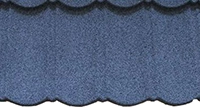
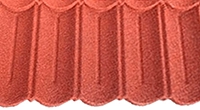

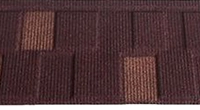
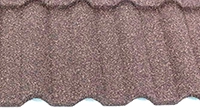
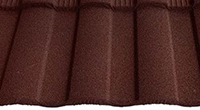
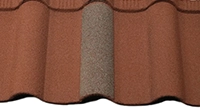
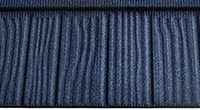

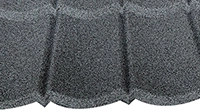


First Time Seeing This Roofing Tile? One Piece Is Light Enough to Hold in One Hand, Yet Its Strength Is Impressive
First Time Seeing This Roofing Tile? One Piece Is Light Enough to Hold in One Hand, Yet Its Strength Is Impressive
A Roofing Tile That Feels Different in Your Hand
When people see a stone coated metal roofing tile for the first time, one of the first things they notice is its weight. A single tile can be lifted and held in one hand, making it feel quite different from traditional clay or concrete roofing materials. For buyers who are used to heavier roofing products, this can be a little surprising. The next question usually comes naturally: if the tile is so light, can it still provide the strength and durability needed for a real roof?
It is a reasonable question, especially for distributors, contractors, and property owners who need roofing materials that can handle everyday outdoor conditions. Weight alone does not tell the whole story of a roofing product. The material used for the base, the shape of the tile, the quality of the protective coatings, and the way the roofing system is installed all contribute to its performance. This is one reason stone coated metal roofing tiles have attracted attention in residential construction, roof renovation, and projects where reducing the weight of roofing materials is an important consideration.
At FUODE ROOFING, we manufacture stone coated metal roofing tiles and understand that customers want more than an attractive sample. They need to know what they are buying, how the product is made, and whether the specifications are suitable for their projects. A tile that feels light in the hand should still be evaluated carefully, from its material structure to its finished appearance and installation requirements.
Why Can a Lightweight Metal Roofing Tile Still Be Strong?
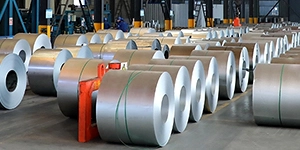
The answer starts with the material itself. Stone coated metal roofing tiles generally use a formed steel sheet as their structural base, with protective coating layers and colored stone granules applied to the surface. Unlike traditional clay or concrete tiles, which rely on a comparatively thick body of mineral-based material, these metal roofing tiles use a thinner metal substrate to create the basic profile of the product.
Steel offers a useful combination of strength and relatively low weight. When the sheet is formed into a roofing profile, its shape also plays a role in how it behaves under load. Ridges, curves, and other formed sections help create the finished tile geometry. This means the performance of the product depends not simply on how much it weighs, but also on the steel specifications, sheet thickness, profile design, manufacturing consistency, and installation method.
For buyers comparing lightweight metal roofing tiles with conventional roofing products, it is important to make the comparison in context. A tile that is easy to lift may help reduce the amount of material weight placed on a roof structure, but the complete roof must still be designed for its intended loads. Wind pressure, snow loads, roof span, fixing arrangements, and local building requirements all matter. A lightweight tile is not a substitute for proper structural calculations, and it should not be assumed to provide a particular level of impact resistance or load-bearing capacity without supporting test data.
At FUODE ROOFING, we encourage customers to look beyond the first impression. The practical value of a roofing tile comes from the combination of its material, design, finish, and suitability for the project, rather than a single characteristic in isolation.
What Does the Stone-Coated Surface Actually Do?
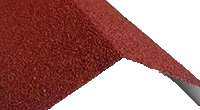
The colored stone granules are an important part of the appearance of stone coated steel roof tiles. They give the metal surface a textured, stone-like finish that looks different from plain painted metal sheets. Depending on the selected profile and color, the finished roof can complement modern houses, traditional residential buildings, villas, and other architectural styles.
The granules are applied as part of a multilayer finishing process. The exact coating system varies by manufacturer and product specification, but it commonly includes a treated steel base, a corrosion-protective coating, an adhesive layer, colored stone granules, and a finishing layer. Each component has its own function, and the consistency of the overall process influences the finished product.
The stone-coated finish can also help create a less reflective, more textured appearance than a smooth metal roofing surface. However, the presence of stone granules alone does not establish the overall service life or weather resistance of a tile. The quality of the steel, the protective coating, the bonding process, the granule characteristics, and the conditions in which the roof is installed all deserve attention.
This is particularly important for overseas buyers who may be sourcing roofing materials for markets with different climates. A product intended for a hot, sunny region may face different exposure conditions from one used in a cold climate with repeated freeze-thaw cycles. Coastal environments may introduce additional corrosion concerns, while areas with strong winds require careful consideration of roof design and fixing details. Discussing the intended application before ordering helps buyers select a more suitable specification.
Lightweight Roofing Makes a Difference During Installation
The low weight of stone coated metal roofing tiles can offer practical advantages throughout a roofing project. When individual tiles are easier to lift and move, workers may find material handling more convenient, particularly on projects where roofing materials need to be carried to elevated work areas. Depending on the project layout and installation method, the reduced material weight may also make transportation and on-site storage easier to manage.
Roof renovation is another application worth considering. Some existing buildings have roof structures that require careful assessment before heavier materials can be introduced. Lightweight roofing products may provide an additional option when planning a renovation, but the existing structure must still be inspected by a qualified professional. The suitability of any new roof depends on the condition of the building, the proposed roof assembly, local regulations, and the loads the structure is expected to carry.
Installation quality remains just as important as the material itself. Roofers need to follow the manufacturer's installation instructions, use compatible accessories, and select appropriate fasteners for the substrate and local conditions. The roof pitch, overlap, flashing details, ridge components, and drainage arrangements should be considered together. Even a well-manufactured roofing tile cannot compensate for poor installation or an unsuitable roof design.
For contractors, these details affect more than the finished appearance. They can influence installation time, material waste, maintenance requirements, and the number of issues that need to be addressed after completion. A dependable roofing solution is therefore not simply a tile that is light enough to carry with one hand. It is a product that can be specified correctly, installed consistently, and supported by clear technical information.
What Should Buyers Check Before Placing an Order?
When purchasing stone coated metal roofing tiles, it is worth starting with the specifications rather than relying on photographs or a sample alone. Steel thickness, coating type, tile dimensions, profile design, color, accessory compatibility, and packaging arrangements should be confirmed before production. Buyers should also clarify which standards or test reports apply to the product and whether those documents are relevant to the intended market.
Samples are useful because they allow customers to examine the actual profile, surface texture, color, and overall workmanship. However, a sample should be treated as a reference for the agreed product specification, not as a substitute for checking the finished production batch. Natural variations in stone granules and differences in surface treatment can affect the appearance of the final product. If a project requires a consistent matte finish or a particular shade, those expectations should be discussed and confirmed before mass production begins.
For larger orders, it is sensible to establish a clear inspection process. The buyer and manufacturer can agree on the key characteristics to be checked, the acceptable appearance range, the packaging requirements, and the documents needed before shipment. Product inspection may include dimensions, surface finish, coating appearance, granule distribution, and other agreed specifications. Where performance is a key concern, relevant test results should be reviewed rather than relying on general statements about strength or durability.
This preparation can prevent misunderstandings, especially when products are being shipped internationally. A distributor may focus on color consistency and ease of resale, while a contractor may be more concerned about installation details and accessory matching. An importer supplying several projects may need predictable specifications and reliable packaging. Understanding these differences helps the manufacturer provide more useful information before the order is confirmed.
Choosing a Manufacturer Is About More Than the Tile Price
For importers and distributors, the purchase decision rarely ends with comparing the unit price of several roofing products. The final cost of a project can also be influenced by freight, packaging, installation labor, accessories, material waste, and the time required to resolve quality concerns. A slightly different specification may change the overall value of an order, even when two products look similar in a photograph.
Working directly with a metal roofing tile manufacturer can make technical communication more straightforward. Buyers can discuss the available profiles, production specifications, color requirements, order quantities, and packaging arrangements with the factory responsible for manufacturing the tiles. Direct communication also provides an opportunity to clarify what can be customized and what should remain consistent across repeat orders.
At FUODE ROOFING, our work focuses on stone coated metal roofing tiles for customers serving different construction and distribution markets. We recognize that international buyers need clear answers before committing to a shipment. Questions about product specifications, sample approval, production arrangements, inspection, and export packaging should be discussed openly so that both sides understand the requirements.
For customers developing a new roofing product line, it can be useful to begin with a sample evaluation and a discussion of the target market. Buyers can compare available profiles, review color options, and confirm the technical requirements before deciding on a larger order. For established distributors, maintaining consistent product specifications across repeat purchases may be equally important. The right approach depends on the customer's business model, local demand, and the projects the roofing tiles are intended to serve.
A Good Roofing Choice Starts With the Right Questions
A stone coated metal roofing tile may look surprisingly light when held in one hand, but its real value becomes clearer when the entire product is considered. The steel base provides the formed structure, the coating system helps protect the substrate, and the stone granules create the distinctive finished appearance. Together with suitable roof design and correct installation, these features make stone coated metal roofing tiles an option worth evaluating for a wide range of roofing applications.
Still, no single roofing material is right for every building or climate. Buyers should compare specifications, consider local construction requirements, and ask for relevant technical documentation before making a decision. Taking time to confirm these details is often more useful than choosing a product based on appearance or weight alone.
At FUODE ROOFING, we believe a good business relationship begins with clear product information and realistic expectations. Whether you are a roofing materials importer, a distributor expanding your product range, or a contractor preparing for an upcoming project, we welcome inquiries about our stone coated steel roof tiles, available profiles, product specifications, and export orders. By understanding your market and project requirements first, we can discuss the available options and help you determine whether our roofing products are a suitable fit for your business.

— FUODE ROOFING —
Stone Coated Metal Roofing Source Factory | Shandong, China
www.fuode.com | Welcome factory visit & sample requests