Español
 العربية
 Francés
 Русский
 Português
 Deutsch
 日本語
日本語
 한국어
한국어
 Việt
Việt



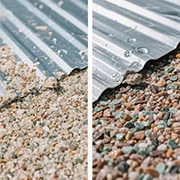


The Global Journey of a Roofing Tile: From Our Liaocheng Factory to Overseas Construction Sites
The Global Journey of a Roofing Tile: From Our Liaocheng Factory to Overseas Construction Sites
A roofing tile may look like a simple building material once it is installed on a house, but before it reaches the roof, it has already travelled through quite a process. It starts with raw materials, moves through production and inspection, is carefully packed for transportation, and eventually arrives at a warehouse, distributor or construction site in another country. For overseas buyers, understanding this journey can help answer practical questions: Where are the tiles made? How are they checked? How is the order prepared for shipping? And what happens between confirming an order and receiving the goods?
At FUODE ROOFING, we manufacture stone coated metal roof tiles at our factory in Liaocheng, Shandong, China, serving customers in international markets. Our products are made using a combination of metal substrate, adhesive and colored stone granules, with different profiles and color options available for various roofing projects. From the first production steps to the final shipment, each stage plays a role in preparing the tiles for their next destination. This article follows a typical order journey, showing how a roofing tile moves from the factory floor to an overseas construction site.
Stage 1: The Journey Begins with an Order
Every international order starts with a conversation. A customer may be a roofing distributor looking to replenish stock, a contractor sourcing materials for a residential project, or an importer exploring a new product range for their local market. Their requirements are rarely identical. Some need a familiar tile profile in a standard color, while others are looking for a particular finish, customized dimensions, branded packaging or a product specification suited to local construction practices.
Before production begins, the buyer and factory need to confirm the details of the order. These usually include the selected profile, color, material specification, tile dimensions, quantity, packaging requirements and delivery terms. For customized orders, sample review and approval can be especially important. A color viewed on a computer screen may look different under natural light, so a physical sample provides a more useful reference for confirming the intended appearance.
At this stage, clear communication helps prevent misunderstandings later. The buyer should also confirm the destination market’s technical or documentation requirements and share any project-specific information that may affect the product selection. Once the specifications and commercial details have been agreed, the order can move toward production planning.
Stage 2: Raw Materials Arrive at the Factory
The next part of the journey begins with the materials used to make the tiles. Stone coated metal roofing generally combines a metal substrate with protective coatings, an adhesive layer and colored stone granules. Each component contributes to the finished product, so material selection and preparation are important parts of manufacturing.
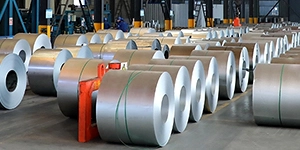
At FUODE ROOFING, production uses galvalume steel coils, adhesive and colored stone granules. The metal substrate is processed into the required roofing profile, while the surface layers create the recognizable stone-coated finish. The specific material thickness, profile and color depend on the product and the customer’s confirmed order. Buyers should review the technical specification for the exact model rather than assume every profile has identical dimensions or material characteristics.
Before production, the order requirements and relevant material details need to be checked against the agreed specification. For customized colors, the reference sample and approved color details help guide the production process. This preparation gives the production team a defined target and gives the buyer a clearer basis for reviewing the finished goods.
Stage 3: From Flat Steel to Formed Roofing Tiles
Once the materials and order details are ready, the manufacturing process begins. The metal substrate is processed and formed into the selected tile profile. This stage transforms the steel from a coil or sheet into the shape designed for the roofing system, with the ridges, channels and edges that define the finished tile.
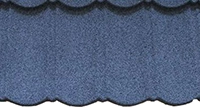
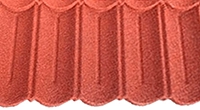
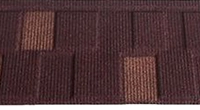
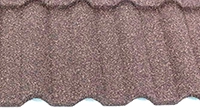
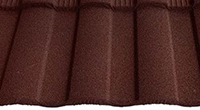
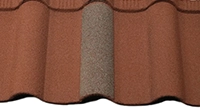
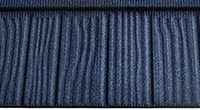
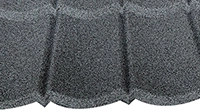
Different profiles create different visual patterns on a completed roof. FUODE ROOFING offers styles such as Bond, Classic, Shingle and Milano, allowing buyers to consider different architectural appearances and market preferences. A distributor serving a traditional residential market may prefer a familiar wave-style profile, while another customer may select a different pattern to suit contemporary building designs. The appropriate choice depends on the project, local preferences and the technical requirements of the roof.
Forming accuracy matters because roofing tiles need to fit into a planned layout. Dimensions, profile shape and overlap details influence effective coverage and installation. The nominal size of a tile is not necessarily the same as the area it covers once installed, so buyers and contractors should use the product’s stated effective coverage when estimating quantities and planning the roof.
Stage 4: The Stone-Coated Surface Takes Shape
After forming, the tile moves through the surface-treatment and stone-coating stages specified for the product. The colored stone granules give the tile its textured appearance, while the bonding and protective layers form part of the finished surface system. Color and granule distribution are especially noticeable when multiple tiles are installed together across a large roof.
This is one reason sample approval is useful before bulk production. It gives the buyer and factory a shared reference for the expected color and surface appearance. Natural lighting, viewing angle and screen settings can all affect how a color is perceived, so reviewing a physical sample is often more reliable than relying on a digital image alone.
During production, relevant checks can be carried out on the surface condition, color consistency, forming and other product-specific requirements. The exact inspection items depend on the model and order specification. A production batch should be assessed against the agreed requirements and approved reference, rather than judged only by whether an individual tile looks attractive.
Stage 5: Quality Checks Before the Tiles Leave the Production Line
A tile’s journey does not end when its shape and surface are complete. Before packing, finished products need to be checked against the order requirements. This may include reviewing appearance, profile, dimensions, surface condition and other agreed inspection points. Where the order includes customized products, the approved sample and confirmed specification provide important references for inspection.
For overseas buyers, these checks help create a clearer understanding of what is being supplied. They also provide an opportunity to identify visible issues before the goods are packed and dispatched. Inspection methods and sampling arrangements should be confirmed according to the order, and customers with specific requirements can discuss them with the factory in advance.
Quality control is not simply a final glance at the finished tile. Material preparation, production monitoring and finished-product checks each serve a different purpose. Together, they help the factory monitor the manufacturing process and provide buyers with a more structured basis for reviewing their order.
Stage 6: Packing for a Long Journey
Once the finished tiles have passed the relevant checks, the order moves to packing and shipment preparation. This stage deserves attention because international transportation can involve several handling points, from factory loading to port operations, ocean freight, customs clearance and final delivery.
Packaging needs to be suitable for the product, the order quantity and the planned transportation method. Tiles should be arranged and secured in a way that helps reduce movement and handling damage during transit. For mixed-profile or mixed-color orders, clear identification is also useful, helping warehouse staff and customers distinguish the different products when the shipment arrives.
Before dispatch, the order details, quantities, labels and shipping arrangements should be checked against the confirmed purchase order. The buyer and supplier should also align on the required export documentation and shipping terms. These details may seem administrative, but they are an important part of moving building materials across borders.
Stage 7: From Liaocheng to the Overseas Destination
After packing and shipment preparation, the tiles begin their international journey. Depending on the destination and agreed logistics plan, the goods may travel by road to a port or transport hub before continuing by sea or through another suitable freight route. The actual route and transit time vary according to the destination country, shipping schedule, customs procedures and local delivery arrangements.
For the importer, this is the stage when order visibility and communication become particularly valuable. Shipping information, documentation and updates help the buyer plan warehouse receiving, distribution or construction scheduling. If the materials are intended for a specific building project, the delivery plan should take account of the site’s storage conditions and installation timeline.
Once the shipment reaches the destination, local customs clearance and inland transportation may be required before the tiles arrive at the customer’s warehouse or construction site. The final delivery process is often coordinated between the importer, freight forwarder, customs agent and local transport provider. Clear responsibilities and accurate shipping details can make this handover easier to manage.
Stage 8: Arrival at the Warehouse or Construction Site
When the tiles arrive, the journey enters its final stage. The customer or receiving team should check the shipment against the order documents, paying attention to quantities, packaging condition, product identification and any visible transportation damage. If an issue is found, it is helpful to document it promptly with photographs and relevant shipping information, then contact the supplier or responsible logistics party according to the agreed procedure.
For distributors, the goods may be moved into warehouse storage and later supplied to contractors or retailers. For project buyers, the tiles may go directly to the construction site, where they need to be stored and handled according to the product instructions. Keeping materials organized by profile and color can help reduce confusion during installation, especially when a project uses more than one roofing style or finish.
Before installation, the contractor should confirm the product specification, roof design, supporting structure, accessories and installation instructions. The suitability of a roofing tile depends not only on its manufacture and delivery, but also on how it is selected and installed for the specific building and local conditions.
One Tile, Many People Behind Its Journey
From the first inquiry to the moment a tile is installed, an international roofing order involves more than a production line. The buyer confirms the project requirements, the factory prepares and manufactures the products, the quality team checks the agreed specifications, and logistics partners coordinate the shipment. At the destination, distributors, contractors and site teams take over to store, handle and install the materials.
For FUODE ROOFING, being a source factory means working directly with customers on product selection, specifications and order requirements. Our product range includes several stone coated metal roofing profiles and color options, while OEM/ODM discussions allow customers to explore suitable customization, subject to technical feasibility and order conditions. Our website describes production capacity exceeding five million square meters annually, a factory area of more than 80,000 square meters and exports to over 30 countries. These figures provide background on the company’s manufacturing and export operations, while each individual order still needs its own confirmed specifications and delivery plan.
A roofing tile’s global journey is a useful reminder that reliable supply depends on coordination at every stage. A clear specification helps guide production. An approved sample gives both sides a shared reference. Inspection helps verify the finished order. Suitable packaging and organized logistics support the journey to the destination. And clear communication helps the customer prepare for receiving and installing the materials.
Whether you are an importer, roofing distributor, contractor or project buyer, FUODE ROOFING welcomes inquiries about stone coated metal roof tiles, profiles, colors, specifications and OEM/ODM requirements. We are ready to discuss your project needs and help you understand the product and order process from the factory stage to overseas delivery.

— FUODE ROOFING —
Stone Coated Metal Roofing Source Factory | Shandong, China
www.fuode.com | Welcome factory visit & sample requests