Español
 العربية
 Francés
 Русский
 Português
 Deutsch
 日本語
 한국어
 Việt
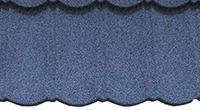
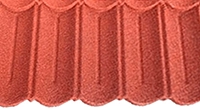

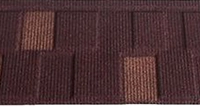
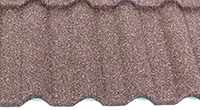



Stone Coated Metal Roof Sheets: How Long Can the Color Last Under the Sun?
Stone Coated Metal Roof Sheets: How Long Can the Color Last Under the Sun?
Stone-coated metal roofing is often selected for its appearance as well as its practical role in a roofing system. From dark grey and black to red, green and earthy tones, the colored stone surface gives the roof a textured finish that differs from ordinary painted metal sheets. However, when a roof is exposed to strong sunlight throughout the year, one question naturally comes up: how long can the color remain consistent?
For importers, distributors and roofing contractors, this is more than an appearance issue. A roof may cover a building for many years, and noticeable color differences can affect the overall look of a project. Before deciding to buy stone coated metal roofing tiles, it is worth understanding what actually influences color stability and why the quality of the colored stone granules matters.
Ultraviolet radiation is one of the environmental factors that can gradually affect materials exposed outdoors. Sunlight does not act on every roofing component in the same way. The visible stone granules, the adhesive layer beneath them and the metal substrate each have different functions. When discussing color stability, attention should first be given to the granules themselves, including their raw material characteristics, pigments and surface treatment.
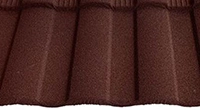
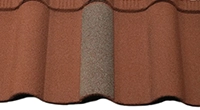
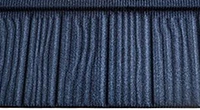
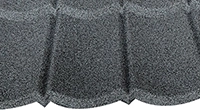
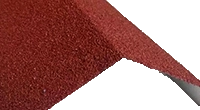
The color of a stone-coated roofing sheet is not simply a layer of ordinary paint applied to a metal surface. Colored stone granules form the visible finish. Their color consistency and resistance to outdoor exposure depend on the materials and processing methods used during production. Different colors may also respond differently to long-term sunlight exposure. Therefore, it is not reasonable to assume that every color will perform identically under the same conditions.
The surrounding environment also matters. A roof installed in a region with intense sunlight throughout the year may experience different exposure conditions from one installed in a cooler or frequently overcast area. Roof orientation, slope, nearby buildings and shading can further influence how much direct sunlight reaches the surface. These factors should be considered when evaluating the expected appearance of a roofing project.
Another point that deserves attention is the difference between color fading and changes caused by surface contamination. Dust, industrial particles, biological growth and other deposits may gradually accumulate on a roof. From the ground, these changes can sometimes look similar to fading. In other cases, loose granules or damage to the surface may create uneven areas. Proper inspection helps distinguish between environmental dirt, installation-related damage and actual changes in the granule color.
The adhesive layer is also an important part of the roofing structure. It helps bond the colored stone granules to the metal sheet. If the bonding process is inconsistent, granule loss may occur in certain areas, changing the roof's appearance even when the granules themselves have not significantly faded. This is why color stability should not be evaluated separately from production quality and granule adhesion.
For buyers comparing stone coated metal roof sheets from different manufacturers, product samples are a useful starting point. A sample allows the buyer to check the actual color, granule size, surface texture and overall finish. It is also helpful to confirm whether the approved sample represents the production batch that will be supplied. When an order involves several colors or a large quantity, keeping a reference sample can make later inspection more straightforward.
Testing can provide additional information, but the test method needs to match the question being asked. Accelerated weathering methods such as ASTM G154 and ISO 4892-3 use controlled ultraviolet exposure and other environmental conditions to evaluate changes in materials. These methods can help assess aspects of weathering performance, but the results must be interpreted according to the tested material, sample preparation and exposure conditions. A laboratory result should not automatically be treated as a guarantee of a specific number of years outdoors.
Buyers should also ask what exactly has been tested. A report for a coating material may not represent the performance of the complete roofing sheet. Similarly, a test on one granule color does not necessarily establish the same result for every other color. If a supplier provides a weathering report, check the product name, sample description, test standard, test conditions and issuing laboratory. This makes it easier to understand what the report actually demonstrates.
The appearance of a completed roof also depends on installation. Mixing products from different production batches may create slight color variations, particularly when the roof covers a large visible area. Even when the same color name is used, differences in raw material batches, production conditions and lighting can influence how the surface looks. For larger projects, confirming the color before mass production and coordinating the required quantity can help reduce unnecessary variation.
Maintenance should not be overlooked either. Periodic visual inspection can help identify accumulated dirt, damaged areas, loose accessories or other issues before they become more difficult to address. Cleaning should follow the manufacturer's recommendations. Aggressive chemicals, unsuitable tools or high-pressure cleaning used incorrectly may damage the surface and should be avoided.
For distributors and contractors, the most useful approach is to evaluate the complete product rather than relying on a color photograph or a short product description. Ask about the metal substrate, protective coating, granule source, adhesive, production controls and available test documentation. These details provide a more practical basis for comparing products than statements about long-lasting color alone.
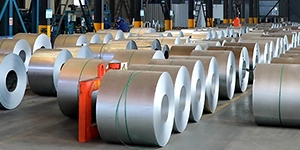
As a stone coated steel roof supplier china, Hainan Fuode Metal Materials Co., LTD. understands that product appearance and production consistency are important considerations for overseas buyers. FUODE ROOFING supplies stone-coated metal roofing products as well as related materials, including colored stone granules, adhesive and steel coils. Buyers can discuss profile options, color requirements and product specifications according to their local market and project needs.
A roof's color stability cannot be judged by one factor alone. The granules, adhesive, manufacturing process, local climate, installation and maintenance all contribute to the final appearance over time. For anyone planning to source stone coated metal panels roofing, checking samples and understanding the available technical information before ordering is a sensible way to make a more informed purchasing decision.

— FUODE ROOFING —
Stone Coated Metal Roofing Source Factory | Shandong, China
www.fuode.com | Welcome factory visit & sample requests