Español
 العربية
 Francés
 Русский
 Português
 Deutsch
 日本語
 한국어
 Việt




Salt Spray Test for Stone Coated Metal Roofing: Why It Matters Before Export
Salt Spray Test for Stone Coated Metal Roofing: Why It Matters Before Export
Why Industrial Roofs Need Special Attention
Choosing roofing materials for an industrial building involves more than considering rain, wind and appearance. Buildings located near chemical plants, cement factories, metal processing workshops or other industrial facilities may face additional environmental challenges. Airborne pollutants, chemical gases and accumulated dust can settle on roof surfaces. When these substances come into contact with moisture, they may gradually affect protective coatings and exposed metal components.
The conditions are not the same in every industrial area. A warehouse inside a relatively clean industrial park may experience ordinary outdoor pollution, while a building close to a chemical production facility may face more frequent exposure to corrosive substances. Wind direction, rainfall, humidity and nearby production activities can all influence the actual conditions.
For buyers considering stone coated metal roofing tiles, this means the selection process should start with the project environment. Rather than relying on a general description such as acid-resistant or alkali-resistant, it is more useful to understand the possible contaminants and check whether the product specifications match the intended application.
How Acid and Alkali Exposure Affects Roofing
Acidic exposure may be associated with industrial emissions containing sulfur compounds, nitrogen oxides and other substances generated by certain manufacturing processes. These substances can interact with atmospheric moisture and contribute to acidic deposits on exposed surfaces. If the protective coating on a metal component is damaged or unsuitable for the environment, prolonged exposure may increase the risk of corrosion.
Alkaline deposits can come from different sources. Cement production, concrete processing and construction material workshops may release fine dust containing alkaline components. These particles can settle on roofs and interact with moisture over time. Although acidic and alkaline substances behave differently, both should be considered when evaluating roofing materials for demanding industrial environments.
It is important not to assume that every industrial building faces the same level of risk. The distance from an emission source, the type of production process and the frequency of chemical exposure all matter. Occasional dust deposits are different from repeated contact with corrosive gases or chemical liquids. For projects involving direct chemical exposure, a more specific technical assessment may be necessary.
Understanding the Material Behind Stone Coated Metal Roofing Tiles
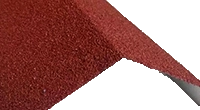
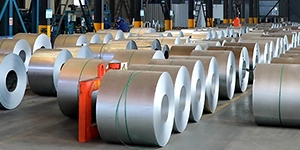
A stone coated metal roofing tile is a layered product, not simply a piece of steel covered with colored stone. Its construction generally includes a steel substrate, metallic protective coating, surface treatment, adhesive and colored stone granules. Each layer has a role in the finished product.
The steel substrate provides the base structure, while the metallic coating helps protect the steel against corrosion. The adhesive holds the colored stone granules on the surface, contributing to the tile's textured appearance. The quality and consistency of these materials, together with manufacturing control, influence the finished roofing product.
This is why buyers should look beyond surface appearance when comparing a stone roofing sheet with other roofing materials. A product photograph cannot show the full material specification. Buyers should confirm the substrate type, steel thickness, metallic coating information and available quality documentation.
It is also worth distinguishing between stone coated steel products and a stone grain coated aluminium sheet. These terms may appear in similar searches, but steel and aluminium are different substrates with different material characteristics. They should not be treated as interchangeable products.
For industrial applications, the actual material structure matters more than a broad product description. A supplier should be able to explain what the roofing product is made of and provide relevant specifications for evaluation.
The Details That Buyers Often Overlook
In many roofing projects, the main panel receives most of the attention, while smaller installation details are considered later. However, areas such as roof valleys, gutters, overlaps, cut edges and fastener locations also deserve attention, especially in industrial environments.
Dust and chemical deposits may accumulate in drainage areas where water and particles collect. If drainage is poor, moisture may remain in contact with the roofing components for longer periods. Cut edges and fixing points should also be checked because damage to protective coatings or unsuitable fasteners can create vulnerable areas.
Accessories are part of the complete roofing system. Ridge caps, flashing, valleys, screws, washers and sealants should be compatible with the main roofing material and the project environment. Even a suitable roofing panel may encounter maintenance problems if installation details are poorly planned.
For this reason, buyers should evaluate the complete roof system rather than purchasing roofing sheets based only on their appearance or unit price. Proper drainage, suitable fasteners and installation according to the product requirements all contribute to the roof's overall performance.
What Should Buyers Ask Before Placing an Order?
When discussing an industrial roofing project with a manufacturer, buyers should begin with the basic material specifications. Ask about the steel substrate, thickness and metallic coating. If the building is close to a chemical plant or another source of corrosive emissions, explain the surrounding conditions so the supplier understands the intended application.
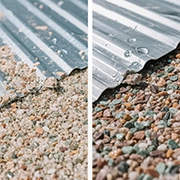
Testing information can also help buyers make comparisons. Salt spray testing, for example, is commonly used to evaluate the corrosion behavior of coated metal materials under controlled laboratory conditions. Standards such as ASTM B117 and ISO 9227 describe salt spray testing procedures. However, laboratory salt spray exposure is not identical to real industrial conditions involving chemical gases, alkaline dust, sunlight and rainfall. A test result should not be directly converted into a guaranteed number of years of outdoor service.
Buyers should also ask how production consistency is managed. Raw material selection, coating application, adhesive control and stone granule quality can all influence the finished product. For importers and distributors, consistent specifications between samples and subsequent orders are particularly important.
Where a project involves direct or repeated chemical exposure, consulting a qualified corrosion or materials specialist is a sensible step. The final specification should be based on the actual site conditions and applicable local requirements.
Choosing Between Bond, Milano and Makuti Roofing Profiles
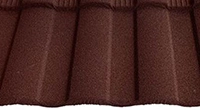
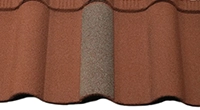
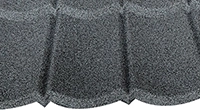
After confirming the material requirements, buyers can compare different roofing profiles according to the building design and installation plan. A bond roofing sheet and a milano roofing sheet are examples of profile options that may be considered for different architectural styles. Milano stone coated roofing tiles can also be evaluated when the project requires a particular roof appearance.
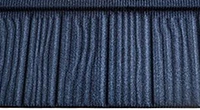
A Makuti Grained Stone Coated Roofing Sheet may be another option for buyers looking for a distinctive profile. However, the profile name describes the product style; it does not independently establish its acid or alkali resistance. Buyers searching for a Makuti Grained Stone Coated Roofing Sheet Factory should therefore request product specifications and confirm the underlying material structure.
Some procurement teams also search for ppgi roofing sheets odm when comparing customized metal roofing products. PPGI sheets and stone coated metal roofing tiles are different product categories, and their applications and construction should be evaluated separately. The right choice depends on the building design, exposure conditions, installation requirements and budget.
A practical purchasing process is to confirm the material specification first and then select the profile and accessories. This helps prevent appearance or price from becoming the only factors in the decision.
Maintenance in Industrial Environments
Even after suitable roofing materials have been selected, the surrounding environment may change. Nearby factories may expand production, new equipment may be installed or construction activities may increase airborne dust. These changes can affect the amount of material deposited on a roof.
Periodic inspection should pay attention to drainage channels, exposed edges, fasteners, roof accessories and visible surface changes. Where cleaning is necessary, the method should follow the manufacturer's recommendations. Strong acidic or alkaline cleaning agents should not be used without confirming compatibility with the coating, adhesive and other roofing components.
There is no single maintenance schedule that suits every industrial building. A facility with occasional dust exposure may need a different inspection plan from one located beside a chemical processing operation. Maintenance should reflect the actual site conditions.
FUODE ROOFING: A Manufacturer Focused on Product Specifications
Hainan Fuode Metal Materials Co., LTD., operating under the name FUODE ROOFING, focuses on stone coated metal roofing products and related metal building materials. As a source factory, we understand that overseas buyers need clear product information when comparing roofing suppliers. Product structure, specifications, profile options and available quality documentation are all important parts of the purchasing process.
Our product range includes different stone coated metal roofing profiles, including Bond and Milano styles. Buyers interested in a Makuti Grained Stone Coated Roofing Sheet can discuss the required profile and specifications with our team. We recognize that different markets and projects have different requirements, particularly when roofing materials are intended for industrial or commercial buildings.
When discussing a project, we encourage customers to share the building application, location and surrounding environmental conditions. Information about nearby industries, possible chemical exposure and roof design helps make the product discussion more specific. We can then clarify relevant product details and available technical information to support the buyer's evaluation.
We believe a clear understanding of the application is more useful than making broad claims about product performance. Acid and alkali exposure varies between sites, and the suitability of a roofing system should be assessed according to its actual materials and working environment.
Make the Choice Based on the Actual Project
Selecting roofing materials for an industrial building requires attention to more than appearance and initial cost. Acidic emissions, alkaline dust, moisture and accumulated deposits may affect different parts of a roof over time. The steel substrate, metallic coating, adhesive, stone granules, fasteners, flashing and drainage design should all be considered.
Stone coated metal roofing tiles can be evaluated for a range of industrial and commercial applications, but the correct specification depends on the actual project conditions. By checking material information, reviewing relevant test documentation and discussing the application with the manufacturer, buyers can make a more informed decision.
At FUODE ROOFING, we welcome enquiries from importers, distributors, contractors and project buyers who want to compare roofing profiles or understand product specifications. Whether you are considering a Bond profile, Milano style or Makuti Grained Stone Coated Roofing Sheet, our team is ready to discuss your project requirements.

— FUODE ROOFING —
Stone Coated Metal Roofing Source Factory | Shandong, China
www.fuode.com | Welcome factory visit & sample requests