Español
 العربية
 Francés
 Русский
 Português
 Deutsch
 日本語
 한국어
 Việt
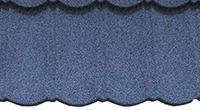
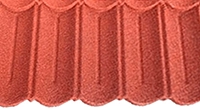

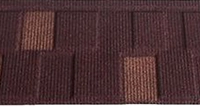
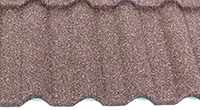



Stone Coated Metal Roofing Wind Resistance: How Locking Systems and Screw Spacing Work Together
Stone Coated Metal Roofing Wind Resistance: How Locking Systems and Screw Spacing Work Together
When choosing roofing materials for a residential or commercial building, wind resistance is one of the details that deserves more attention than it sometimes receives. A roof may look attractive and well finished on a calm day, but its real performance also depends on how it responds to strong winds, especially during seasonal storms and periods of severe weather. For buyers considering stone coated metal roofing, questions about wind ratings, locking systems and screw spacing often come up together. How does the tile structure help resist wind? What role does the locking connection play? And how far apart should the fixing screws be installed?
These questions are closely related because wind resistance is not determined by the roofing tile alone. It depends on the complete roof assembly, including the tile profile, connections between adjacent panels, mechanical fasteners, supporting battens or roof deck, and the quality of installation. Understanding how these parts work together can help importers, distributors, contractors and homeowners make more informed decisions before purchasing stone coated metal roofing.
Understanding Wind Resistance in Stone Coated Metal Roofing
Wind does not act on every part of a roof in exactly the same way. As air flows over and around a building, it creates different pressure conditions across the roof surface. In certain areas, particularly near roof edges, corners and ridges, wind can generate significant uplift forces. These forces may try to lift roofing tiles away from the supporting structure or place additional stress on the connections between individual tiles.
This is why stone coated metal roofing wind resistance should be considered as a system performance issue rather than simply a question of how strong the metal sheet is. The steel base provides the main structural body of the tile, while the formed profile contributes to its shape and stiffness. The side and end connections help adjacent tiles fit together, and mechanical fasteners transfer the forces acting on the tile into the supporting roof structure. If one part of this connection is poorly designed or incorrectly installed, the performance of the overall roof can be affected.
The actual wind resistance requirement also changes according to the building location and design. A low-rise house in a sheltered residential area may face different wind conditions from a taller building on an exposed coastline or an open site. Roof pitch, building height, surrounding terrain, roof geometry and local wind regulations all influence the design requirements. Therefore, buyers should not assume that one wind rating or installation method is suitable for every project.
For this reason, when comparing a wind rating for stone coated metal roofing, it is important to understand what was actually tested. A test result should be connected to a defined product profile, fastening arrangement, supporting structure and installation method. A number shown in a brochure without information about the tested assembly may not provide enough detail for a meaningful comparison.
What Does the Locking System Do?
The locking system is an important part of stone coated metal roofing installation. Depending on the profile design, adjacent tiles may connect through side laps, formed edges, interlocking sections or other shaped connections. These details help maintain the intended roof layout and reduce the possibility of individual tiles moving independently under normal service conditions.
A well-designed locking connection helps neighboring tiles work together as part of a continuous roof covering. Instead of treating every tile as an isolated component, the connection helps maintain alignment and supports the overall integrity of the installed surface. It can also influence how the roof handles movement caused by temperature changes, installation tolerances and external loads.
However, it is important to understand that a locking system is not a replacement for mechanical fastening. The connection between two tiles and the connection between a tile and the supporting roof structure perform different jobs. A side lock may help hold adjacent tiles in position, but it does not automatically transfer all wind uplift forces safely into the building structure. That is the role of the complete fixing system, including the specified screws or nails, supporting battens or deck, and their connections to the roof structure.
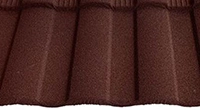
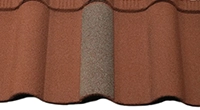
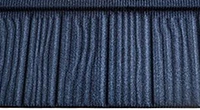
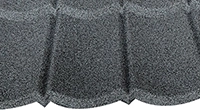
Different stone coated metal roofing profiles may also use different connection designs. A Bond profile, a Shingle profile and a Roman-style profile do not necessarily share the same locking geometry or fixing arrangement. Even when two products look similar from a distance, their installation details may be different. Buyers should therefore check the technical information for the exact profile they intend to purchase rather than relying on general installation advice for another roofing style.
For contractors, this point is especially important during installation. A tile should be positioned and connected according to the relevant product instructions. Forcing a connection into place, leaving an intended overlap incomplete or changing the installation sequence may affect the fit between neighboring tiles. A roof that appears visually aligned from the ground may still contain connection details that need closer inspection.
Why Screw Spacing Matters for Wind Uplift Resistance
If the locking system helps connect adjacent tiles, mechanical fasteners help secure the roofing system to its supporting structure. Screw spacing determines how the fixing points are distributed across the roof. When the spacing is not appropriate for the specified roof design, the forces acting on the roofing material may not be transferred as intended.
In general, a fastening layout needs to account for the expected wind loads, the tile profile, the supporting material and the fastener capacity. The number and position of fixing points influence how loads are distributed. However, adding more screws does not automatically produce a stronger roof. Fasteners installed in unsuitable positions, driven at an incorrect angle or tightened improperly may create problems rather than solve them.
For example, over-tightening a screw can deform the metal around the fixing point or damage a sealing washer. Under-tightening may leave the connection insufficiently secured. A screw that is too short may not achieve the required engagement with the supporting material, while an unsuitable screw type may not provide the intended holding performance. The correct fastener must match the roof structure and the installation requirements of the specific roofing system.
The supporting structure is equally important. A screw fastening a tile to a timber batten has different requirements from one used with a steel support or another type of roof deck. The screw length, thread design, drilling tip and corrosion resistance should be considered together with the material and thickness of the support. It is not advisable to choose screw spacing independently of these details.
For this reason, there is no single screw spacing that can be recommended for every stone coated metal roofing project. Some systems specify different fixing arrangements for different profiles or roof conditions. In areas exposed to stronger winds, the project design may require additional attention to the perimeter and corner zones. The correct layout should follow the manufacturer's installation instructions and the wind-load requirements established for the building.
Locking and Fastening Must Work Together
A common mistake when evaluating metal roofing wind uplift resistance is to focus on only one detail. Some buyers pay close attention to the locking structure but overlook the fasteners. Others ask for a smaller screw spacing without checking whether the tile profile and supporting structure are suitable for that arrangement.
In practice, the two details need to work together. The locking system helps connect neighboring tiles and maintain the designed layout, while the mechanical fasteners secure the tiles to the supporting structure. The roof battens or deck then transfer the loads through the supporting framework and into the building. If the connection between any of these parts is inadequate, the performance of the complete roof system may be affected.
Consider a roof where the tiles have a well-formed side connection, but the screws are installed at positions that do not match the product instructions. The tiles may fit together neatly, yet their attachment to the support may not perform as intended under uplift pressure. On the other hand, installing additional screws without considering the tile profile may cause local deformation, damage the coating or create unnecessary fixing points.
A practical approach is to evaluate the roofing system as a complete assembly. Buyers should confirm the tile profile, connection design, recommended fastener type, fixing positions and supporting structure before finalizing the project specification. For larger projects, the installer or project engineer should also check whether the proposed installation arrangement is consistent with the required wind-load design.
Roof Edges and Corners Need Special Attention
Wind pressure is not distributed evenly across the roof. The perimeter, corners, ridge and eaves may experience different pressure conditions from the central roof area. Depending on the building shape, height and surrounding environment, these zones can require particular attention during roof design and installation.
This does not mean that every project should simply use the same additional screws around the edges. The required fixing arrangement depends on the applicable wind-load calculations, product instructions and supporting structure. A contractor should identify the relevant roof zones and follow the design requirements rather than making changes based only on personal experience.
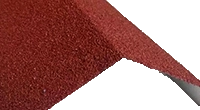
Roof edges and corners also involve several related components, such as gable trims, eaves details, ridge caps and flashing. These components need to be compatible with the roofing profile and correctly secured. A well-installed tile field cannot compensate for poorly detailed roof edges or loose finishing components. When checking a project, it is worth looking beyond the main tile surface and reviewing how the complete perimeter has been finished.
For buildings in coastal, mountainous or open areas, the local wind environment may require additional engineering attention. Importers and distributors serving these markets should collect information about typical building types and local installation practices. This helps them select products and accessories that match the requirements of their customers instead of relying on a general product description.
How to Check a Wind Rating Before Purchasing
When a supplier provides a wind resistance claim, buyers should ask what standard or test method supports it. Different markets use different building regulations and test procedures, so a result from one standard should not automatically be treated as equivalent to a result from another. The applicable requirements may involve wind pressure calculations, uplift testing or evaluation of the complete roofing assembly.
It is also useful to check the exact product model included in the test. The profile, steel thickness, fastener type, screw positions, batten spacing and supporting construction can all influence the result. If the tested arrangement differs significantly from the installation planned for a project, the test result may not represent the proposed roof system.
A reliable technical discussion should be specific. Instead of asking only whether a product is suitable for strong winds, buyers can ask which profile was evaluated, what fixing method was used and whether the supporting structure matches their project. They can also request the relevant technical documents and installation guidance for review by their local engineer or building professional.
At FUODE ROOFING, we believe that clear product information is an important part of the purchasing process. As a stone coated metal roofing manufacturer in Liaocheng, Shandong, China, we understand that international buyers may work with different building regulations, roof structures and installation habits. Discussing the intended application and product profile before an order helps both sides understand which technical details need to be confirmed.
What Importers and Contractors Should Discuss with a Manufacturer
For importers and distributors, product appearance and price are only part of the purchasing decision. The installation method can influence customer satisfaction, after-sales communication and the range of accessories that need to be stocked. A product that is suitable for one market may require different technical confirmation before being introduced into another market.
When discussing stone coated metal roofing with a manufacturer, it is useful to identify the target market, typical building structure, preferred roof profile and expected project conditions. Buyers should also confirm the available technical information, recommended fasteners, compatible accessories and installation instructions. If a project has specific wind-load requirements, these should be shared before production and purchasing decisions are finalized.
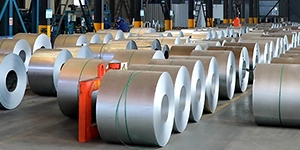
At FUODE ROOFING, our manufacturing focus includes stone coated metal roofing tiles and the materials used in their production, including steel coils, adhesive and colored stone granules. We understand that consistency in product structure and material selection matters to buyers who need to plan supply for ongoing projects. Different profiles have their own design characteristics, and product selection should be based on the intended roof application rather than appearance alone.
We welcome discussions with roofing distributors, importers, contractors and project buyers who want to understand the differences between profiles and the installation details involved. For projects with specific wind-resistance requirements, sharing the local standard and roof design information at the beginning makes it easier to discuss the appropriate product documentation and technical questions. The final installation design should always be checked against the applicable local regulations and completed by qualified professionals.
A Better Roof Starts with the Right Combination
Stone coated metal roofing wind resistance is not simply a matter of choosing a thicker steel sheet or installing more screws. The locking system, mechanical fasteners, screw spacing, supporting structure and roof-edge details all contribute to how the complete roofing assembly performs under wind pressure. Each part has a different function, and none should be considered separately from the rest.
For buyers, the most useful question is not just how strong a roofing tile is, but whether the proposed product and installation arrangement are suitable for the building and its local wind conditions. Checking the actual product profile, fixing instructions and supporting technical information before purchasing can help avoid misunderstandings later.
At FUODE ROOFING, we believe that a good roofing supply relationship starts with clear communication and realistic technical expectations. Whether you are sourcing stone coated metal roofing for distribution or evaluating materials for a construction project, our team is ready to discuss product profiles, material options and the details that matter to your market. A well-planned roof begins with the right product, but its performance depends on how every part of the system works together.

— FUODE ROOFING —
Stone Coated Metal Roofing Source Factory | Shandong, China
www.fuode.com | Welcome factory visit & sample requests