Español
 العربية
 Francés
 Русский
 Português
 Deutsch
 日本語
 한국어
 Việt







Stone Coated Metal Roofing Lightning Protection: How to Ground a Metal Roof Safely
Stone Coated Metal Roofing Lightning Protection: How to Ground a Metal Roof Safely
When choosing a roofing material, most buyers think about durability, appearance, installation cost and weather resistance. But for buildings in areas with frequent thunderstorms, another question often comes up: Is a metal roof safe during lightning? Some homeowners worry that because stone coated metal roofing contains a metal base, it may attract lightning or increase the chance of a strike. Others assume that connecting the metal roof to a ground wire is enough to make the entire building safe.
Both ideas need a closer look. Metal roofing is electrically conductive, but the presence of a metal roof does not automatically make a building more likely to be struck by lightning. At the same time, a metal roof should not be treated as a complete lightning protection system. Proper protection depends on the building's design, the local lightning risk, the electrical installation and the way the different protection components are connected.
For distributors, contractors and homeowners considering stone coated metal roofing, understanding these points can help avoid unnecessary concerns and, more importantly, prevent unsafe installation decisions. At FUODE ROOFING, we believe that choosing a roofing material should go hand in hand with understanding how it fits into the complete building system. This article explains the basic principles of lightning protection for metal roofs and what should be considered before installation.
Does a Metal Roof Attract Lightning?
This is probably the most common question about metal roofing. The short answer is no: using a metal roof does not, by itself, make a building more likely to be struck by lightning than using a non-metal roofing material. Lightning attachment is influenced by factors such as the height and shape of a structure, its surroundings, local storm activity and the electrical conditions in the atmosphere. The roofing material alone is not what determines whether lightning strikes a building.
A metal roof is conductive, which means electrical current can travel through it. This characteristic is different from that of many non-metal roofing materials, but conductivity should not be confused with attracting lightning. A building with a metal roof is not automatically at greater risk simply because the roof contains metal.
In fact, electrical conductivity can be considered when designing a suitable lightning protection system. Properly designed and installed conductive paths can help carry lightning current toward the earth, while appropriate bonding and separation measures help manage dangerous differences in electrical potential. However, the roof must be evaluated as part of the overall structure. A metal covering alone does not provide all the components required for lightning protection.
It is also worth remembering that lightning protection is not only about the roof. A strike can affect electrical wiring, communication equipment, structural components and people inside or around a building. A complete approach therefore considers both external lightning protection and measures to reduce electrical surges inside the building.
How Does a Stone Coated Metal Roof Differ from a Bare Metal Roof?
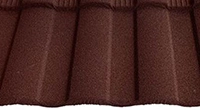
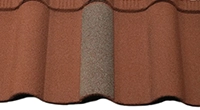
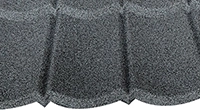
Stone coated metal roofing is manufactured using a metal base, an adhesive layer and colored stone granules. Unlike an exposed metal sheet, its visible surface has a textured stone finish. This gives the product a different appearance and surface structure, but the metal base remains an important part of its construction.
From a lightning protection perspective, the presence of stone granules does not turn the roofing tile into an electrical insulator or a lightning protection device. The product should still be considered within the context of its metal components, supporting structure, fixing details and any connections to other conductive building elements. The electrical continuity of the complete roof assembly should not be assumed simply because individual tiles contain metal.
This is an important distinction for roofing contractors. A roof may look like one continuous surface after installation, but its individual tiles, overlaps, fasteners and accessories may have different electrical contact conditions. Whether those components can be used as part of a lightning protection arrangement depends on their material properties, dimensions, connections and compliance with the relevant design requirements.
For this reason, a lightning protection designer should not assume that every stone coated metal roof can automatically serve as a natural component of the external lightning protection system. The suitability of metal roofing components must be assessed against the applicable standard and the actual product construction. The roofing supplier can provide product information, but the lightning protection design should be completed by a qualified professional.
Understanding the Three Main Parts of an External Lightning Protection System
A conventional external lightning protection system is generally made up of three main parts: an air-termination system, a down-conductor system and an earth-termination system. These components work together. Installing only one of them does not create a complete protection system.
The air-termination system is designed to intercept lightning strikes at designated points. Depending on the building and the protection design, it may include air rods, conductors arranged along the roof or other suitable metallic components. Its position and layout are determined by the building geometry and the required level of protection. It is not simply a matter of putting a lightning rod at the highest point and assuming the entire roof is protected.
Once lightning current is intercepted, the down-conductor system provides a designed path for carrying the current from the air-termination system toward the earth-termination system. The conductor arrangement, connections and routing need to follow the applicable design requirements. Poor connections or unsuitable routing may increase the risk of side flashing, damage or dangerous potential differences.
The earth-termination system is responsible for dispersing the lightning current into the ground. It may involve earth electrodes or other arrangements permitted by the relevant standard and site conditions. Soil characteristics, electrode layout, corrosion protection and the connection to the wider building earthing arrangement all need to be considered. A grounding electrode installed without a coordinated design does not automatically provide effective lightning protection.
These three parts must function as one coordinated system. International standards such as IEC 62305 describe the principles and requirements for lightning protection systems, including protection against physical damage and risks to people. The actual design should follow the version of the standard and local regulations applicable to the project.
Why Grounding a Metal Roof Is Not the Same as Installing Lightning Protection
The terms grounding, earthing and bonding are sometimes used as if they mean the same thing, but they describe different functions within an electrical safety system. Understanding the difference is important when discussing metal roof grounding.
Grounding, or earthing in many international markets, refers to connecting an electrical system or conductive component to the earth through an appropriate arrangement. In a lightning protection system, the earth-termination system provides a path for dispersing lightning current into the ground.
Bonding is different. It connects conductive parts together so that dangerous potential differences between them can be reduced. A building may contain a metal roof, gutters, downpipes, structural steel, electrical installations, pipes and other conductive components. During a lightning event, these parts may develop different electrical potentials if they are not appropriately coordinated. Lightning equipotential bonding is one of the measures used to manage this risk.
Simply attaching a wire from the roof to an earth electrode does not necessarily solve the problem. The connection may not be designed for lightning current, other conductive parts may remain unbonded, and the building may still lack an appropriate air-termination or down-conductor arrangement. The electrical system may also require surge protection to reduce the risk of damage to equipment.
This is why a metal roof grounding project should not be treated as a simple DIY task. The correct connections, conductor specifications, separation distances and bonding arrangements depend on the building and the applicable lightning protection design. Incorrect connections can create additional hazards rather than improve safety.
How Should Lightning Protection Be Considered During Roof Installation?
The best time to consider lightning protection is during the building design or roof planning stage, not after every roofing component has already been installed. This allows the roofing contractor, electrical engineer and lightning protection designer to coordinate their work before installation begins.
For a stone coated metal roof, the first step is to understand the product and roof construction. The designer may need information about the metal base, tile profile, thickness, fixing arrangement, roof deck and supporting structure. They should also know whether the building includes metal gutters, roof-mounted equipment, solar panels, antennas or other conductive components that may affect the design.
The next step is to determine whether the roof covering can serve as a natural component of the lightning protection system or whether separate air-termination conductors and other components are required. This decision should not be made based on appearance alone. Electrical continuity, material thickness, joint design, mechanical strength and other requirements must be assessed according to the relevant standard. A decorative metal roofing surface is not automatically suitable for use as an air-termination system.
Coordination is also important when installing ridge caps, flashing, gutters and other roof accessories. These components may be close to lightning protection conductors or other conductive parts. Their relationship to the system should be considered in the design so that the required bonding or separation arrangements can be maintained. Roofing work should not unintentionally disconnect, damage or obstruct an existing lightning protection system.
If a building already has lightning protection, the roofing contractor should confirm the arrangement before removing or replacing the old roof. Any conductor, connection or component affected by the roofing work should be checked and reinstated as required. The completed installation should then be inspected and tested by appropriately qualified personnel.
Do Surge Protection Devices Also Matter?
Yes. External lightning protection and internal surge protection serve related but different purposes. Even when a building has an external system designed to intercept and conduct lightning current toward the earth, electrical and electronic equipment may still be exposed to transient overvoltages caused by lightning.
Surge protection devices, commonly called SPDs, are used to help limit transient voltage and divert surge current through an appropriate protective path. Depending on the building's electrical design, SPDs may be installed in distribution boards or at other suitable points. Power lines, communication cables, data networks, solar power systems and other connected services may need to be considered.
For buildings with solar panels installed on a stone coated metal roof, this becomes especially relevant. The panels, mounting rails, cables, inverter and electrical distribution system create additional components that need to be included in the lightning and surge protection assessment. The exact protection arrangement depends on the installation, the distance between components, the building's existing protection system and local electrical regulations.
It is important not to assume that a lightning rod alone protects all electrical equipment. Likewise, installing an SPD does not replace the need for an external lightning protection system where one is required. Both aspects should be considered as part of a coordinated design.
Common Mistakes to Avoid with Metal Roof Lightning Protection
One common mistake is assuming that a metal roof is naturally safe because it is conductive. Conductivity alone does not provide a complete path from the point of lightning interception to the earth. Without a suitable design, current may travel through unintended paths and cause damage to the building or create dangerous conditions for occupants.
Another mistake is connecting the roof to an isolated grounding rod without considering the building's existing electrical earthing and lightning protection arrangements. A separate, uncoordinated connection can create potential differences between conductive parts. The correct bonding and earthing arrangement must be determined by the electrical and lightning protection designer.
It is also a mistake to treat all metal roofing products as electrically identical. Different products may use different metal thicknesses, coatings, joint designs and fixing systems. A roof covering that appears continuous may not have the electrical continuity or other characteristics required to serve as a natural component of a lightning protection system.
Finally, some building owners install lightning protection and then forget about it. Connections can loosen, conductors can corrode, roof renovations can damage components and new equipment may be added later. Periodic inspection and maintenance are important to make sure the system remains consistent with its original design. Any significant roof modification should trigger a review of the affected lightning protection components.
What Should Buyers Ask Their Roofing Supplier?
For importers, distributors and contractors, the most useful questions are not simply whether a metal roof is safe from lightning. Instead, buyers should understand the product construction and make sure the information can be passed to the project designer.
Ask for the roofing product's metal base specifications, profile information, coating details and installation instructions. If the project has a specific lightning protection design, the designer may need these details to evaluate the roof covering and its connections. It is also useful to confirm whether the supplier provides technical information about matching ridge caps, flashing, gutters and other accessories.
If the building is in a region with frequent thunderstorms, discuss the lightning protection requirements with the local electrical engineer or qualified contractor before installation. The required system may differ according to the building's height, use, surroundings, local lightning activity and applicable regulations. A residential house and a large industrial building should not automatically be given the same protection arrangement.
A reliable roofing supplier should be clear about what its product can do and what needs to be handled by other building professionals. Roofing manufacturers provide roofing materials and product information; they should not replace the work of a qualified lightning protection designer.
FUODE ROOFING: Roofing Materials for Real Building Projects
FUODE ROOFING is a manufacturer of stone coated metal roofing tiles based in Liaocheng, Shandong Province, China. Our products combine a metal base, adhesive and colored stone granules to create a textured roofing surface in different profiles and colors. We work with overseas distributors, contractors and building material buyers who need roofing products for different markets and project requirements.
We understand that choosing a roof involves more than selecting a color or profile. Buyers also need to consider the supporting structure, installation details, matching accessories and the local requirements that apply to the completed building. Lightning protection is one of those considerations, particularly for projects in regions where thunderstorms are common.
Our role is to provide clear product information so that customers and their project teams can make informed decisions. We encourage buyers to confirm the metal specifications and installation details needed for their projects, and to coordinate the roof design with qualified local professionals when lightning protection is required. This approach helps keep the responsibilities clear and makes it easier to evaluate the roofing material as part of the complete building system.
A Metal Roof Can Be Part of a Properly Designed Lightning Protection System
Stone coated metal roofing does not automatically attract lightning, but it should not be considered a complete lightning protection system on its own. The safety of a building depends on how the air-termination system, down conductors, earth-termination system, bonding and internal surge protection are designed and coordinated.
For homeowners, contractors and importers, the key is to plan lightning protection before or during roof installation. Confirm the applicable local standards, provide the roofing product information to the project designer and make sure that every connection is assessed by qualified professionals. Avoid relying on a single grounding wire or an improvised connection as a substitute for a complete system.
A well-planned roof is not just about the material visible from outside. It is about how the roofing tiles, accessories, supporting structure and building protection systems work together. At FUODE ROOFING, we believe that clear product information and proper coordination are important parts of making a suitable roofing choice for each project.

— FUODE ROOFING —
Stone Coated Metal Roofing Source Factory | Shandong, China
www.fuode.com | Welcome factory visit & sample requests