Español
 العربية
 Francés
 Русский
 Português
 Deutsch
 日本語
 한국어
 Việt
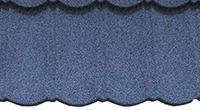
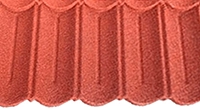

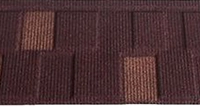
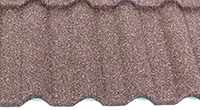





Stone Coated Metal Roofing Sound Insulation: How Loud Is the Rain?
Stone Coated Metal Roofing Sound Insulation: How Loud Is the Rain?
When people consider installing a metal roof, one question often comes up before they make a decision: Will the rain be noisy? It is a reasonable concern. Many homeowners have heard rain falling on a metal sheet roof and remember the sharp tapping sound, especially during a heavy shower. For buyers comparing different roofing materials, this experience can influence their decision just as much as appearance, price or service life.
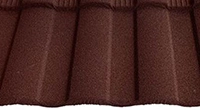
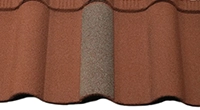
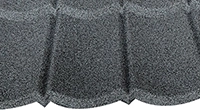
Stone coated metal roofing is different from a bare metal sheet roof in its surface structure and overall appearance. It has a metal base covered with an adhesive layer and colored stone granules, creating a textured finish rather than a smooth exposed metal surface. But does this structure make a noticeable difference to rain noise? And is the stone coating alone enough to provide a quiet indoor environment?
The honest answer is that sound performance depends on more than the roofing tile itself. The surface material, roof deck, insulation, attic space, fixing method and overall roof construction all play a part. At FUODE ROOFING, we believe buyers should understand these factors before choosing a roofing material. A realistic explanation is more useful than simply promising that a roof will be quiet in every situation.
Why Does Rain Make a Metal Roof Noisy?
To understand the sound of rain on a roof, it helps to look at what actually happens when a raindrop hits the surface. Each impact creates a small vibration. When many raindrops strike the roof within a short period, those individual impacts combine into the familiar tapping or drumming sound. The roof material begins to vibrate, and some of that vibration travels through the supporting structure into the building.
The sound people hear indoors is not determined by the outer roofing material alone. A thin metal sheet installed over an open framework, for example, may behave differently from the same sheet installed over a solid roof deck with insulation and an enclosed ceiling. The supporting structure can either allow vibration to travel or help reduce the amount of sound reaching the room. The size of the roof cavity, the materials inside it and the way the roof is connected to the building can also affect the result.
Rainfall intensity matters as well. A light shower and a heavy tropical downpour do not create the same acoustic conditions. Wind-driven rain may strike the roof from different directions, while hail or large water droplets can produce sharper impact sounds than ordinary rainfall. This is why a statement such as "all metal roofs are noisy" is too broad. It ignores the construction details that make a real difference to the experience inside a building.
How Does the Stone Coating Affect Rain Noise?
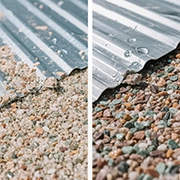
One of the main differences between stone coated metal roofing and conventional exposed metal sheets is the surface finish. Stone coated metal roofing uses colored stone granules bonded to the metal base through an adhesive coating. The resulting surface has a rough, granular texture rather than a smooth metallic finish.
This layered surface changes the way the outside of the tile is constructed. The granules and coating form part of the tile's overall surface structure and may influence how impact energy is transferred at the point where raindrops hit. Compared with a bare metal surface, the textured coating can help moderate some of the direct impact characteristics. However, the exact acoustic effect depends on the product structure, installation and the complete roof assembly.
It is important not to confuse this with complete soundproofing. Stone granules do not turn a metal roofing tile into a thick acoustic insulation panel, and they cannot independently prevent all vibration from passing through the roof. A stone coated metal roof may have a different sound character from an exposed metal sheet roof, but that does not mean every installation will produce the same indoor noise level.
For buyers, the practical point is simple: the stone-coated surface is one part of the roofing system, not the only factor responsible for acoustic comfort. When comparing products, it is worth looking at the complete roof construction rather than making a decision based only on whether the outside surface looks smooth or textured.
Does Roof Insulation Make a Difference?
Yes. Roof insulation is an important part of indoor comfort, and it can also contribute to reducing the sound that reaches occupied rooms. Insulation materials can absorb or dampen some sound energy within the roof assembly, depending on their type, thickness, density and installation. A well-designed ceiling and roof cavity can provide additional separation between outdoor noise and the indoor space.
However, thermal insulation and acoustic insulation are not exactly the same thing. A material selected mainly to reduce heat transfer does not automatically provide the same level of sound reduction as a material specifically designed for acoustic performance. Some insulation products offer both thermal and acoustic benefits, but buyers should check the manufacturer's technical information rather than assume that every insulation layer performs equally well.
The position of the insulation also matters. In some buildings, insulation is installed above or below the roof deck. In others, it is placed between ceiling joists or within the roof cavity. Different arrangements create different acoustic and thermal conditions. The choice should take into account the local climate, building design, ventilation requirements and applicable construction standards.
For residential projects, the ceiling is another important part of the system. A properly installed ceiling can help separate the living space from the roof cavity. If there are large gaps, poorly sealed openings or unplanned air paths, the overall performance may be affected. Buyers who want a quieter indoor environment should therefore discuss the insulation and ceiling arrangement with their architect, contractor or roofing installer before construction begins.
How to Test the Rain Noise of Stone Coated Metal Roofing
A product comparison is more useful when the test conditions are controlled. Simply standing under one roof during a light shower and another roof during a heavy storm does not provide a fair comparison. The rainfall intensity, building structure, ceiling materials and recording equipment may all be different.
A practical comparison should begin with two roof sections that have similar dimensions and, as far as possible, similar supporting structures. One section can use stone coated metal roofing, while the other uses the alternative roofing material being considered. The roof pitch, underlayment, insulation, ceiling construction and room conditions should be kept consistent. This helps reduce the influence of factors that are unrelated to the roofing surface itself.
Rainfall should also be controlled or measured. If a rain simulation system is used, the water flow, droplet distribution and test duration should remain consistent between the two sections. Sound measurements should be taken from the same position inside each room, with the same type of measuring equipment and similar background noise conditions. Repeating the test can help identify whether the results are consistent.
For a meaningful report, it is useful to record both the sound level and the test conditions. A single decibel reading without information about the roof structure, rainfall intensity or measuring position can be misleading. It is also worth remembering that decibel measurements do not describe every aspect of how people perceive sound. Two roofs with similar readings may still produce different sound characteristics.
At FUODE ROOFING, we encourage buyers to ask for actual test information when acoustic performance is an important project requirement. If a supplier provides sound insulation figures, buyers should check what was tested, how the test was conducted and whether the results apply to the complete roofing assembly or only to an individual material sample. Without this information, a numerical claim is difficult to evaluate fairly.
Stone Coated Metal Roofing vs. Bare Metal Sheets
The comparison between stone coated metal roofing and bare metal roofing is not simply a matter of which material is louder. Both are metal-based roofing options, but their surface finishes, profiles and installation methods can be different. A bare metal sheet generally has an exposed metallic surface, while a stone coated metal tile has a granular finish bonded to its metal base.
Because of this difference, the sound created at the point of impact may not be identical. The stone-coated surface may help moderate some direct impact characteristics, while the supporting roof structure determines how much vibration is transmitted into the building. A bare metal sheet installed over a solid deck with suitable insulation may also provide a more comfortable indoor environment than a poorly supported or uninsulated roof.
This is why buyers should be cautious about comparisons that only show two pieces of roofing material being struck by hand. Such demonstrations may illustrate differences in material response, but they cannot accurately predict the sound level inside a completed house. The actual result depends on the full roof assembly and the conditions under which it is installed.
Stone coated metal roofing also offers other considerations beyond acoustic performance, including its tile-style appearance, range of profiles and compatibility with different architectural designs. For homeowners who want the appearance of traditional roofing tiles while using a metal-based roofing product, these features may be relevant alongside noise, weight, installation requirements and project budget.
Installation Details That Can Affect Roof Noise
Even a suitable roofing material can produce an unsatisfactory result if the installation is not carried out properly. Loose components, incorrect fixing positions, unsuitable fasteners or an uneven supporting structure may allow parts of the roof to move or vibrate. In certain conditions, this movement can create additional sounds that are different from the natural sound of rain hitting the roof.
Fasteners should be selected according to the roofing product and the supporting structure. Their length, thread type, corrosion resistance and sealing washer should be suitable for the application. Installers should follow the manufacturer's fixing instructions instead of tightening screws randomly or using the same fixing arrangement for every roof profile. Over-tightening can also damage components or sealing washers, while insufficient fixing may allow unwanted movement.
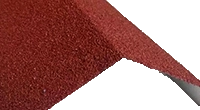
The roof battens and supporting framework need attention as well. Uneven spacing or poor alignment can affect how tiles sit on the roof. Ridge caps, edge components and other accessories should be installed in accordance with the system requirements. These details are important not only for weather protection and appearance but also for keeping the roof assembly stable.
A quieter roof is not created by adding more screws or insulation without considering the design. The goal is to build a roof system in which each layer has a clear purpose and works with the others. The roofing supplier, installer and project designer should communicate about the roof structure before installation begins.
What Should Buyers Ask Before Choosing a Roofing Material?
If rain noise is a major concern, buyers should look beyond general product descriptions. Ask whether the supplier has acoustic test data for the roofing product or a complete roof assembly. Find out whether the test used a bare tile sample or a fully constructed roof section, and whether the supporting deck, insulation and ceiling were included. These details help determine whether the information is relevant to the actual project.
It is also useful to confirm the product's basic construction. Buyers can ask about the metal base, surface coating, colored stone granules, available profiles and compatible accessories. If the project has specific acoustic requirements, the roofing material should be considered together with the insulation and ceiling design. A roofing manufacturer can explain the product structure, but the complete building assembly should be evaluated by the appropriate construction professionals.
For overseas projects, local conditions deserve particular attention. A building in a region with frequent heavy rainfall may require a different roof assembly from a building in a dry climate. Wind exposure, roof pitch, building use and local construction practices can all influence the final design. Choosing a product based on another country's installation experience without considering local conditions may lead to unrealistic expectations.
FUODE ROOFING: Understanding the Product as Part of a Complete Roof System
At FUODE ROOFING, we manufacture stone coated metal roofing tiles in Liaocheng, Shandong, China. Our products combine a metal base with adhesive and colored stone granules to create a textured roofing surface in different profiles and colors. We understand that overseas buyers are not only purchasing individual tiles. They are choosing materials that need to fit a real building, a local installation method and a particular project budget.
When discussing a roofing project, we believe it is important to look at more than the appearance of the finished tile. The profile, metal specifications, surface materials, fixing method and matching accessories all deserve attention. If a customer is concerned about rain noise, we would also recommend discussing the roof deck, insulation and ceiling arrangement with the local project team. This gives the buyer a more realistic understanding of what the finished roof can achieve.
We do not believe it is responsible to promise that any metal-based roofing material will make a building completely silent during heavy rain. Weather conditions and building construction vary too much for such a statement to be meaningful. What we can do is provide product information, discuss available roofing options and help buyers understand which product details should be confirmed before placing an order.
So, Is Rain Loud on Stone Coated Metal Roofing?
Stone coated metal roofing has a different surface structure from bare metal sheets, and its granular coating may influence the way rain impact is transmitted at the roof surface. However, the indoor sound level is determined by the complete roofing assembly, including the supporting structure, insulation, ceiling, fixing details and rainfall conditions.
If a quiet indoor environment is important, do not rely on the tile surface alone. Compare complete roof systems under consistent conditions, check whether acoustic test data is available and make sure the installation design is suitable for the building and local climate.
A good roofing decision is not based on one attractive product claim. It comes from understanding the material, asking the right questions and making sure the roof components work together. At FUODE ROOFING, we welcome project discussions with roofing distributors, contractors and building material buyers who want to learn more about stone coated metal roofing tiles and choose a suitable solution for their markets.

— FUODE ROOFING —
Stone Coated Metal Roofing Source Factory | Shandong, China
www.fuode.com | Welcome factory visit & sample requests