Español
 العربية
 Francés
 Русский
 Português
 Deutsch
 日本語
 한국어
 Việt

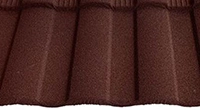
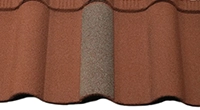
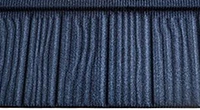

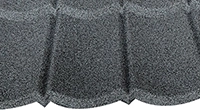



Stone Coated Metal Roofing Coating Adhesion: How to Perform a Cross-Cut Test
Stone Coated Metal Roofing Coating Adhesion: How to Perform a Cross-Cut Test
When buyers inspect stone coated metal roofing tiles, they often pay close attention to color, surface texture, steel thickness and overall appearance. These are all important details, but there is another quality factor that deserves attention: coating adhesion. A roofing tile may look uniform when it leaves the factory, but how well do its coating layers remain attached to the metal base? Will the colored stone granules stay in place during handling, transportation and normal use? How can a manufacturer evaluate whether a coating system has been applied properly?
These questions are particularly relevant to importers, distributors and roofing contractors who want to understand the manufacturing quality behind the finished product. One commonly used method for evaluating the adhesion of certain coating systems is the cross-cut adhesion test, also known as the cross-cut test. It is a practical inspection method used in the coatings industry, but it is important to understand what it actually measures and where its limitations are. For stone coated metal roofing, the test needs to be considered alongside the product's layered construction, surface texture and other quality inspection methods.
At FUODE ROOFING, we believe that explaining how product quality is evaluated is just as important as introducing the finished roofing tile. A clear understanding of coating adhesion helps buyers ask better questions, compare technical information more carefully and make purchasing decisions based on more than appearance alone.
What Is Coating Adhesion in Stone Coated Metal Roofing?
Stone coated metal roofing is a layered roofing product. Its main structure starts with a metal base, commonly made from coated steel. Different coating materials are then applied to prepare and protect the surface, provide bonding for the colored stone granules and complete the finished appearance. The exact coating arrangement can vary according to the product design and manufacturing process, but the general purpose is to create a roofing surface in which the different materials work together.
Coating adhesion refers to how well one coating layer remains attached to the surface beneath it. In a stone coated metal roofing tile, there may be several different interfaces to consider. The adhesion between a coating and the metal substrate is not necessarily the same as the bonding between the adhesive layer and the colored stone granules. Similarly, the performance of the finished surface cannot be fully described by testing only one interface.
This distinction matters because people sometimes use the phrase "coating adhesion" as if it referred to one single property. In reality, a roofing tile contains several materials, and each connection has its own function. A coating that remains attached to the steel does not automatically prove that every stone granule is bonded equally well. Likewise, a surface that appears to have strong granule retention does not, by itself, establish the adhesion performance of the underlying metal coating.
For buyers, the practical question is whether the materials and manufacturing process are suitable for the intended roofing application. Coating adhesion is one part of that evaluation, together with surface appearance, corrosion protection, granule retention, dimensional consistency and other relevant product checks.
What Is a Cross-Cut Adhesion Test?
The cross-cut adhesion test is a method used to evaluate the resistance of a coating to separation from its substrate after a series of cuts have been made through the coating. The basic idea is straightforward. A test area is selected, a cutting tool is used to create a pattern of parallel lines in one direction and another set of lines is made across the first set. This forms a grid of small squares. Adhesive tape is then applied over the grid and removed according to the selected test procedure. The test area is examined to see how much coating has detached around the cuts or within the squares.
The result provides an indication of how well the coating remains attached under the conditions of that particular test. It is a useful screening method because it gives inspectors a visual way to compare coating adhesion between samples or evaluate whether a coating process is producing consistent results.
Two commonly referenced standards are ASTM D3359 and ISO 2409. Both include methods for assessing coating adhesion using a cut pattern and tape, but their procedures and classification systems are not identical. ASTM D3359 uses ratings from 5B to 0B, with 5B representing the strongest result in its classification and 0B representing the weakest. ISO 2409 uses classifications from 0 to 5, with 0 indicating the best result and 5 indicating the greatest separation. These rating systems should not be treated as interchangeable, and a result should always be reported together with the standard and method used.
It is also important to understand that a cross-cut test is not a direct measurement of adhesion strength expressed as a force value. It is a classification-based assessment of coating separation under a defined test procedure. If a project requires quantitative adhesion strength or evaluation of a different coating interface, another test method may be more appropriate.
How to Perform a Cross-Cut Test Step by Step
A reliable cross-cut adhesion test starts with the preparation of a suitable sample. The test surface should be clean and representative of the coating system being evaluated. Dust, oil, moisture and loose particles can influence the result, so the sample should be handled and prepared according to the relevant test standard. The coating should also be in the condition required by the test procedure, including any specified curing or conditioning period. Testing a coating before it has properly cured may produce a result that does not represent its intended condition.
The next step is to select the cutting tool and grid arrangement. A suitable multi-blade cutter or single cutting tool is used to make parallel cuts through the coating. A second series of cuts is then made at approximately right angles to the first series, forming a grid. The number of cuts and the spacing between them depend on the selected standard, coating thickness and substrate characteristics. This is why inspectors should not simply choose an arbitrary number of squares or use the same spacing for every coating. The cutting depth must reach the substrate as required by the method, but the procedure should avoid unnecessary damage that could affect the evaluation.
After the grid has been prepared, loose debris is removed using the method specified in the relevant standard. Adhesive tape of the type required by the test procedure is applied over the cut area and pressed into contact. The tape is then removed in the specified manner, including the required direction and removal action. The remaining test area is examined under suitable lighting, and the amount of coating separation is compared with the classification criteria.
The result should be recorded clearly, including the test standard, method, sample identification, coating condition and observed classification. If several samples are tested, their results should be documented separately rather than combining them into one general statement. This makes it easier to compare production batches and identify possible changes in the coating process.
Although the procedure sounds simple, the details matter. A blade that is not suitable for the coating thickness, inconsistent cutting pressure, incorrect grid spacing or unsuitable tape can all affect the result. For this reason, cross-cut testing should be carried out by personnel who understand the selected method and can follow its requirements consistently.
Can You Apply the Cross-Cut Test Directly to Stone Coated Roofing Tiles?
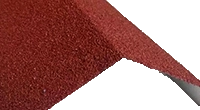
This is an important question for stone coated metal roofing manufacturers and buyers. Unlike a smooth painted metal panel, the finished surface of a stone coated roofing tile contains colored stone granules. Its texture is uneven, and the particles create a surface that is quite different from the flat coating normally used for a conventional cross-cut test.
When a cutter passes through a rough, granular surface, it may encounter individual stones, spaces between granules and areas with different surface heights. This can make it difficult to create a uniform grid. The tape may also contact the upper surfaces of the granules rather than the coating in a consistent way. As a result, the observed separation may be influenced by the surface texture and the way the sample was prepared, not only by the actual adhesion of the coating layer being evaluated.
For this reason, a conventional cross-cut test should not automatically be treated as a complete assessment of colored stone granule bonding. Depending on the purpose of the inspection, it may be more appropriate to evaluate a representative smooth coated test panel, a production sample with a defined test area, or another sample prepared specifically for the coating interface under investigation. The method and sample preparation should be agreed in advance so that the result has a clear meaning.
If the main concern is whether colored stone granules remain attached to the adhesive layer, a separate granule retention or abrasion-related evaluation may be more relevant. Such testing should use a defined procedure and suitable acceptance criteria. A cross-cut rating obtained from a different coating layer cannot simply be used as proof of granule bonding performance.
This is why a good quality inspection plan should identify the question first and then select the test method. Testing is most useful when the sample, procedure and result all correspond to the property that the buyer wants to evaluate.
What Can Cause Poor Coating Adhesion?
Coating adhesion can be influenced by several factors during manufacturing. One important factor is surface preparation. If the metal substrate contains oil, dust, moisture or other contaminants, the coating may not form the intended bond with the surface. The cleaning and preparation stages therefore need to be controlled before subsequent coating materials are applied.
Material compatibility is another consideration. The adhesive, primer, coating and substrate need to be suitable for the intended manufacturing process. A change in material supplier or formulation may affect how the layers interact, so material selection should be managed carefully. This does not mean that every change will create an adhesion problem, but it does mean that new materials should be evaluated rather than introduced without checking their compatibility.
Application conditions also matter. Coating amount, application uniformity, curing conditions and production-line settings can all influence the final result. If the coating is applied unevenly or does not receive the required curing conditions, the finished surface may not develop the intended characteristics. Temperature, humidity and the condition of production equipment may also need to be considered according to the materials and process being used.
Finally, storage and handling should not be overlooked. Finished roofing tiles may be stacked, packed, transported and unloaded several times before reaching the installation site. Poor packaging, excessive friction or unsuitable storage conditions can cause surface damage that may be mistaken for a manufacturing adhesion issue. A complete quality evaluation should therefore consider both the manufacturing process and the handling conditions after production.
Cross-Cut Testing Is Only One Part of Roofing Quality Control
It is tempting to use one test result as a shortcut for judging the overall quality of a roofing product, but that approach can be misleading. The cross-cut adhesion test provides information about a particular coating interface under a defined test procedure. It does not independently measure the corrosion resistance of the steel substrate, the weathering performance of the finished tile, the durability of the adhesive, or the retention of every colored stone granule.
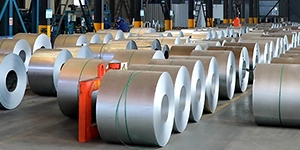
A more complete stone coated metal roofing quality inspection considers different characteristics separately. Visual inspection can help identify uneven coating, missing granules, surface defects and differences in appearance. Material checks can confirm that incoming steel coils, adhesive and colored stone granules meet the relevant purchasing specifications. Dimensional inspection can evaluate tile length, width, profile and other product requirements. Where applicable, additional testing can be used to assess corrosion resistance, granule retention or other performance properties.
The appropriate inspection plan depends on the product design, customer requirements and applicable market standards. Not every project needs the same set of tests, and not every test result applies to every profile or production batch. What matters is that the inspection method is relevant, repeatable and clearly documented.
For buyers, it is reasonable to ask a manufacturer what is being inspected, how samples are selected and which test standards are being followed. A clear explanation is often more useful than a general statement that a product has passed every quality test.
What Importers Should Ask a Stone Coated Metal Roofing Manufacturer
When sourcing stone coated metal roofing from overseas, importers and distributors may not be able to inspect every stage of production in person. This makes product documentation and communication particularly important. Instead of asking only whether a tile has passed a cross-cut test, buyers should clarify which layer was tested, what sample was used and which standard or internal procedure was followed.
It is also useful to understand how the manufacturer manages raw material selection and production consistency. Steel coils, adhesive and colored stone granules each contribute to the finished roofing tile. Changes in material batches, surface preparation or production conditions may influence the final appearance and coating performance. A manufacturer should be able to explain the relevant production and inspection steps without making unsupported promises.
At FUODE ROOFING, we focus on the production of stone coated metal roofing tiles and related materials, including steel coils, adhesive and colored stone granules. Based in Liaocheng, Shandong, China, we understand that international buyers need more than a product photograph when evaluating a roofing supplier. They need clear product information, a consistent understanding of material specifications and practical communication about the details that matter to their markets.
For distributors, contractors and project buyers, discussing the intended application and inspection requirements before an order can help avoid misunderstandings. If a particular coating adhesion test or quality document is required, it is helpful to confirm the test standard, sample type and acceptance criteria in advance. This allows both sides to discuss the same technical requirements and evaluate the results in the correct context.
Better Quality Decisions Start with the Right Test
The cross-cut adhesion test is a useful method for evaluating certain coating systems, but its result needs to be understood correctly. It provides a classification of coating separation after a defined cutting and tape procedure. It does not represent every aspect of stone coated metal roofing quality, and it should not be used alone to claim that all layers of a finished roofing tile have the same adhesion performance.
For stone coated metal roofing, the key is to identify which interface needs to be evaluated. Metal coating adhesion, adhesive bonding and colored stone granule retention are related, but they are not identical properties. Choosing a suitable sample and test method makes the inspection more meaningful and helps buyers understand what the result actually tells them.
At FUODE ROOFING, we believe that trust is built through clear information, careful material selection and realistic technical communication. Whether you are an importer looking for a long-term roofing supplier, a distributor developing your local product range or a contractor sourcing materials for a construction project, we welcome the opportunity to discuss our stone coated metal roofing profiles and relevant product details. A dependable purchasing decision begins with understanding not only how a roofing tile looks, but also how it is made and how its quality is evaluated.

— FUODE ROOFING —
Stone Coated Metal Roofing Source Factory | Shandong, China
www.fuode.com | Welcome factory visit & sample requests