Español
 العربية
 Francés
 Русский
 Português
 Deutsch
 日本語
日本語
 한국어
한국어
 Việt
Việt






After a Super Typhoon Hit, We Followed Up with Stone Coated Metal Roof Users
After a Super Typhoon Hit, We Followed Up with Stone Coated Metal Roof Users
A Typhoon Is the Real Test of a Roof
A new roof always looks good when it has just been installed. The color is clean, the stone coating is fresh, the edges are neat, and every tile is sitting exactly where the installer placed it. But when a strong storm or typhoon passes through, the situation changes. The roof is suddenly dealing with strong wind, driving rain, flying debris, pressure differences and repeated movement. That is when the details that are easy to ignore during installation become much more important.
Recently, after a severe typhoon passed through an area where stone coated metal roofing had been installed, we followed up with customers to understand the condition of their roofs after the weather event. For us, this kind of follow-up is more meaningful than simply looking at a new product in the factory. A roofing tile is ultimately installed outdoors, so real projects give manufacturers an opportunity to see how the complete roofing system performs under actual conditions.
At FUODE ROOFING, we manufacture stone coated metal roof tiles for international markets, including regions where strong seasonal storms, heavy rainfall and high temperatures are part of normal building conditions. But we also want to be careful with how we talk about extreme weather. No roofing material should be described as immune to typhoons, and no single project can represent every roof or every storm. Wind speed, building height, roof shape, fixing method, roof structure, installation quality and local building requirements all influence the result.
That is why our customer follow-up focused not simply on one question — “Did the roof survive?” — but on the details behind the roof.
What We Looked at After the Storm
After a major storm, the first thing people usually notice is whether any roof tiles have moved or fallen. That is certainly important, but it is only part of the inspection.
We also pay attention to the roof edges, ridge areas, valleys, flashing, fasteners, overlaps and places where the roof connects with walls or other structures. These areas often experience different forces from the main roof surface. A roof can look normal from the ground while a small detail around an edge or junction has been affected.
The main roof surface
The main roof area is usually the easiest place to inspect. We look for visibly displaced tiles, damaged profiles, unusual gaps, broken or loose components and obvious changes to the stone-coated surface.
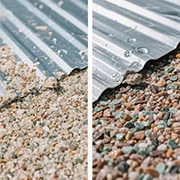
The stone granules are also worth checking. After severe weather, a small amount of surface granule loss may occur for different reasons, including transportation, installation or weather exposure. What matters is understanding whether there is localized damage or a broader problem with the roof surface.
This is one reason we do not recommend judging a roofing product only from a photograph taken immediately after installation. A finished roof needs to be considered as a complete system and monitored under the actual conditions where it is installed.
Roof edges and ridge areas
Strong wind does not always affect every part of a roof in exactly the same way. Roof edges, corners and ridge areas can experience different wind pressures from the middle of a roof plane. This makes correct installation especially important.
When reviewing a roof after a storm, contractors should pay attention to whether ridge caps remain properly positioned, whether edge components are secure and whether there are any visible gaps or lifted sections.
These details are not unique to stone coated metal roofing. They are part of good roofing practice generally. A good tile cannot compensate for incorrect fixing or poorly designed edge details.
Why Installation Matters So Much in High-Wind Areas
When customers ask us whether stone coated metal roof tiles are suitable for areas with strong winds, the answer cannot simply be “yes” or “no.” The correct question is whether the selected roofing system has been properly designed and installed for the local conditions.
Wind resistance is influenced by much more than the tile itself. Roof pitch, building height, roof geometry, edge conditions, supporting structure, fastener type, fastener spacing and local wind requirements all need to be considered.
For example, two houses may use exactly the same stone coated metal roof tiles but experience very different wind conditions because one building is low and sheltered while the other is tall and exposed near the coast. The same product may therefore require different installation considerations depending on the project.
This is why we encourage overseas buyers and contractors to provide project information when discussing roofing materials. If the project is located in a coastal or high-wind area, it is useful to discuss the roof structure, local climate, roof slope and relevant building requirements before confirming the final specification.
A Strong Roof Is More Than the Tile You Can See
One thing becomes especially clear after a major storm: the visible tile is only one part of the roof.
A complete stone coated metal roofing system may include the metal tile itself, supporting battens or other structural components, underlayment, flashing, ridge and valley details, fasteners and other accessories. Each part has a job to do.
The tile provides the visible roof covering, but water management depends on correct overlaps and detailing. The underlayment provides another layer of protection according to the roof design. Flashing helps manage water around junctions and penetrations. Fasteners hold the tiles in position. The supporting structure transfers loads into the building.
If one part of the system is poorly designed or incorrectly installed, the performance of the complete roof can be affected.
This is something we often emphasize when talking with contractors: don't look at the tile separately from the roof. Look at the whole system.
What Did the Customer Follow-Up Tell Us?
The purpose of a customer follow-up after severe weather is not to create a dramatic before-and-after story. It is to learn from real projects.
During the follow-up, we focused on visible roof conditions, particularly the tile layout, ridge and edge areas, surface condition and any signs that would require closer inspection. We also asked about the installation process and whether the roof had experienced any issues during or after the storm.
One important point is that a roof inspection immediately after a typhoon should not be treated as a simple visual exercise. Some problems may not be obvious from ground level. If a homeowner or contractor suspects that tiles, fasteners, flashing or the supporting structure have been affected, the roof should be assessed by a qualified professional using appropriate safety procedures.
We also learned something that is easy to forget when talking about roofing materials: extreme weather is not only a product test. It is a construction test.
The quality of the roof depends on material selection, design, installation and maintenance working together.
What Should Homeowners Check After a Typhoon?
If you have a stone coated metal roof and a strong storm has recently passed, it is better to inspect the roof carefully rather than simply assume everything is fine because there is no visible leak inside the building.
From the ground, homeowners can look for obvious signs such as missing or displaced tiles, damaged ridge caps, unusual gaps, loose-looking flashing, damaged gutters or debris that has accumulated on the roof.
Do not climb onto a wet or damaged roof simply to take a closer look. After a typhoon, the roof surface may be slippery, and structural damage may not be visible. If an inspection requires roof access, it should be handled by a qualified roofing professional with appropriate safety equipment.
If a problem is found, photographs can be useful for documenting the condition before repairs are carried out. The homeowner can then contact the installer or roofing supplier and discuss the appropriate inspection and repair procedure.
What About Coastal and Tropical Markets?
For customers in Africa, Southeast Asia, Central Asia and other international markets, weather conditions can vary considerably. Some projects face strong seasonal storms, while others are more concerned with high temperatures, heavy rainfall, humidity or coastal exposure.
This is why there is no single roofing specification that should automatically be applied to every country.
For projects in coastal or high-humidity environments, the steel substrate, coating system, fasteners, flashing and installation details should all be considered together. For high-wind regions, the roof structure and fixing arrangement become particularly important. For areas with heavy rainfall, roof slope, drainage paths, valleys and flashing details deserve close attention.
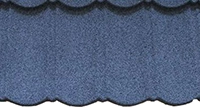
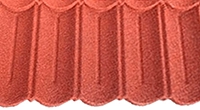
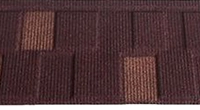
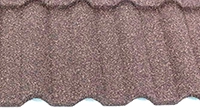
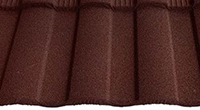
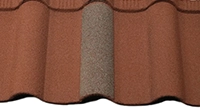
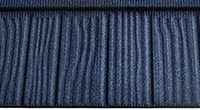
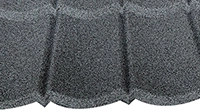
At FUODE ROOFING, we offer different stone coated metal roofing profiles and colors for international customers. Our product range includes profiles such as Bond, Classic, Shingle and Milano, with specifications that should be confirmed according to the selected product and project requirements.
We also work with contractors, distributors and importers on OEM and customized orders. For customers working in markets with particular weather or construction requirements, discussing the application before production is much more useful than choosing a product based only on a catalogue photograph.
What We Look for as a Factory
A customer may only see the finished tile, but a factory sees much more behind it.
The steel substrate matters. The forming process matters. The bonding of the stone granules matters. The consistency of the finished profile matters. Packaging matters because the tiles still have to travel long distances before reaching the roof.
At FUODE ROOFING, our production process involves steel materials, adhesive and colored stone granules, followed by forming, coating, inspection and packing. Our quality-control approach covers material and production requirements before manufacturing, monitoring during production and finished-product inspection before shipment.
This does not mean that a factory inspection can predict every event a roof will experience in the future. It cannot. What it can do is help ensure that the products leaving the factory correspond to the agreed specifications and are prepared properly for the next stage of the supply chain.
That distinction is important to us.
A responsible manufacturer should not tell a customer that a roof will never have a problem. Instead, the manufacturer should provide clear product information and work with the buyer to make sure the selected product is appropriate for the project.

A Typhoon Can Teach Us More Than a New Roof Can
There is something different about seeing a five-year-old or several-year-old roof after a major weather event compared with looking at a tile that has been sitting inside a factory.
A factory sample tells us what the product looks like when it is new. A real roof tells us how the material has interacted with the building, the climate, the installation method and everyday weather over time.
That is why customer feedback matters to FUODE ROOFING.
We pay attention to what contractors notice during installation, what distributors hear from their customers and what homeowners see after years of use. These conversations help us understand the questions buyers are asking and the practical issues that matter once the product leaves the factory.
A storm does not simply ask whether a tile is strong. It exposes the importance of the entire roofing system.
Choosing a Roofing Factory Means Looking Beyond the Price
When overseas buyers compare stone coated metal roof tiles, it is natural to compare price first. But after seeing how a roof is affected by real weather, it becomes easier to understand why other factors deserve attention as well.
The steel specification, stone coating, forming quality, inspection process, packaging, installation information and communication with the manufacturer can all affect the buying experience.
For a contractor, consistent specifications can make installation planning easier. For a distributor, stable product information can make customer communication easier. For a project buyer, clear documentation and technical details can make material selection more straightforward.
At FUODE ROOFING, our goal is not simply to send tiles overseas. We want customers to understand what they are buying, how the product should be handled and what factors need to be considered during installation.
After the Storm, We Look at the Roof Differently
A strong typhoon is not something any roofing manufacturer should take lightly. Every severe weather event reminds us that a roof has a real job to do, and that job depends on much more than the appearance of the tile.
For stone coated metal roofing, proper product selection, roof design, correct fixing, suitable accessories, good installation practices and regular inspection all matter. No manufacturer can remove every risk created by an extreme weather event, but a carefully planned roofing system can give the building a more appropriate starting point for its local conditions.
That is also why we value customer follow-up.
When a customer allows us to see how a roof looks after severe weather, we are not only looking for a positive story. We are looking for real information: what worked, what needs attention, what contractors noticed and what we can learn for the next project.
At FUODE ROOFING, we manufacture stone coated metal roof tiles for international markets and work with importers, distributors, contractors and project buyers on product profiles, colors, specifications and OEM/ODM requirements.
A new tile tells you what it looks like.
A roof after years of real weather tells you much more.

— FUODE ROOFING —
Stone Coated Metal Roofing Source Factory | Shandong, China
www.fuode.com | Welcome factory visit & sample requests