Español
 العربية
 Francés
 Русский
 Português
 Deutsch
 日本語
 한국어
 Việt






Stone Coated Metal Roof Tiles for Tropical Climates: What to Evaluate
Stone Coated Metal Roof Tiles for Tropical Climates: What to Evaluate
Climate is a starting point, not a complete specification
Buyers in tropical regions may consider stone coated metal roof tiles for residential, commercial or distribution projects. Hot temperatures, high humidity, seasonal rainfall and coastal exposure can all be relevant, but a country or climate label is not enough to determine the correct product. Conditions vary between inland and coastal locations, urban and rural sites, and different roof designs.
A useful product enquiry should describe the actual installation environment. Is the building close to the coast? Is it exposed to industrial emissions? Does the roof have a complex layout or long periods of moisture retention? What is the roof pitch and supporting structure? These details help the project team assess the roof assembly and help the supplier understand which product information is relevant.
Review the steel and coating specification
The steel substrate and metallic coating should be clearly identified in the product specification. Ask the supplier how thickness is defined and what coating designation is offered. If the project has a required value, state the standard or measurement basis where possible. Avoid comparing two products using vague terms such as thick steel or extra coating.
Corrosion management depends on the complete environment and the way the roof is designed, installed and maintained. Coastal salt exposure, scratches, standing water, contact with dissimilar materials and poor storage may influence the condition of metal components. Buyers should share these factors with the supplier and seek project-specific technical advice. A coating specification should not be interpreted as an unlimited guarantee against corrosion.
Pay attention to roof drainage and detailing
In regions with heavy seasonal rainfall, drainage design is a central part of roof planning. Roof pitch, valley geometry, gutter capacity, eaves details and the location of penetrations influence how water moves across and away from the roof. The selected tile profile should be installed within the manufacturer's guidance, and the complete roof assembly should be reviewed by the project team.
Valleys and flashings need particular coordination. If roof planes meet at unusual angles or the design includes several dormers and penetrations, the project may require custom detailing. Share drawings with the manufacturer early and confirm which accessories are available. The final design should be checked against local construction requirements rather than based solely on a generic product image.
Ventilation and moisture management in humid conditions
High humidity makes moisture management an important consideration. The roof assembly should be designed to manage air movement, insulation and condensation according to the building's use and local climate. The correct approach may differ between an air-conditioned residence, a naturally ventilated home, a warehouse and a commercial building.
A roofing contractor or building professional should review the roof-space ventilation strategy and the position of insulation and vapor-control layers. The external roof tile cannot solve every moisture issue by itself. Buyers should ask how the complete assembly is intended to work and should avoid copying a detail from a different climate without checking its suitability.
Consider wind exposure and structural design
Tropical regions may experience strong winds or severe weather events, but the design conditions vary by location and building. Roof structure, fastening pattern, edge zones, roof shape and local code requirements should be assessed by qualified professionals. The manufacturer can provide product details and installation guidance, but the project engineer should determine the required design values and fixing arrangement.
When sourcing tiles, ask for the product drawing, fixing guidance and any available technical information relevant to the intended project. Do not assume that a standard fixing pattern is appropriate for every roof. The contractor should use the approved details and confirm that the supporting structure is ready for installation.
Storage, transport and jobsite handling
In humid climates, the storage location and handling method should be planned before the shipment arrives. Packages should be stored according to the supplier's instructions and protected from unsuitable moisture exposure and physical damage. If the products are held for an extended period, ask the manufacturer whether any additional storage precautions apply.
At delivery, inspect package condition and record visible damage. Keep products organized by profile and color, and avoid mixing unidentified batches. During installation, use suitable lifting and cutting methods. Remove metal debris as instructed and follow the manufacturer's recommendations for any exposed edges. These practices help maintain product condition between factory dispatch and roof installation.
Choosing colors and finishes for local projects
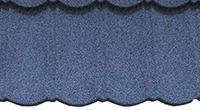
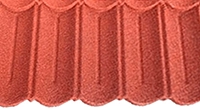
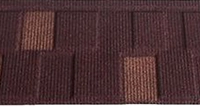
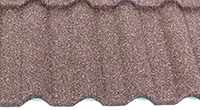
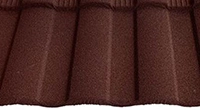
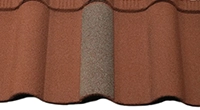
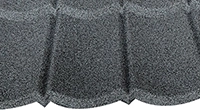
Color preference is influenced by architecture, climate perception, local building styles and customer expectations. Distributors should gather feedback from local contractors and homeowners rather than assume one color will suit an entire country. A sample board with clearly identified options can help customers compare colors in natural light.
A physical tile sample is especially useful because the granule texture and formed profile affect the visual result. Screen images should be used as an introduction, not a final color approval. For repeat orders, keep the approved sample and record the color reference. If a supplier proposes a change in granule source or blend, review a new sample before production.
Questions for a tropical-market roofing enquiry
A buyer can make the enquiry more useful by providing the destination city or region, distance from the coast, building type, roof drawings, profile preference, steel and coating requirements, color, quantity and accessory needs. If local standards or approvals apply, identify them and confirm them with the relevant local body. This information allows the supplier to respond to the actual project rather than make broad assumptions about tropical climates.
FUODE ROOFING works with overseas buyers sourcing stone coated metal roofing products and related materials. The factory discussion can cover profile options, material specifications, samples and export packing. Final suitability should always be assessed for the particular building, installation method and local requirements.

Visit www.fuode.com for more details.
— FUODE ROOFING —
Stone Coated Metal Roofing Source Factory | Shandong, China
www.fuode.com | Welcome factory visit & sample requests