Español
 العربية
 Francés
 Русский
 Português
 Deutsch
 日本語
 한국어
 Việt







Colored Stone Granules for Metal Roofing: Color, Texture and Batch Control
Colored Stone Granules for Metal Roofing: Color, Texture and Batch Control
The granule surface shapes the product's visual identity
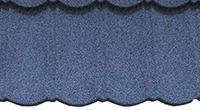
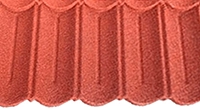
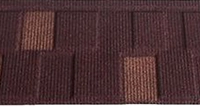
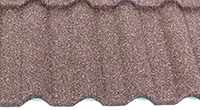
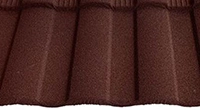
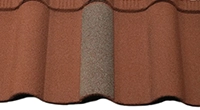
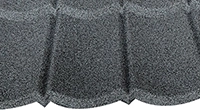
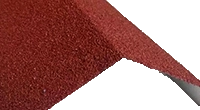
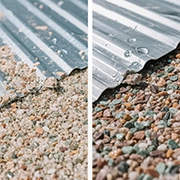
Colored stone granules are a defining visual element of stone coated metal roofing. They create a textured surface and give distributors and project owners a range of color choices for different building styles. Buyers often compare samples by color first, but granule appearance includes more than hue. Texture, particle size, distribution, coverage and the way the surface looks under different lighting conditions can all influence the final impression.
A photograph on a screen is useful for shortlisting colors, but it is not a reliable substitute for a physical sample. Display settings, lighting, camera processing and surrounding colors can change how a surface appears. For a project or wholesale program, buyers should request a labeled sample and review it under consistent conditions. If the product will be used across several buildings, retain the approved sample as a reference for later orders.
Color selection should reflect the building and the market
A roofing color should be considered in relation to the building facade, wall materials, window frames, landscape and surrounding architecture. Darker colors may create a different visual balance from lighter tones, while blended granule colors can appear different at roof scale than they do on a small sample. Distributors should consider which colors fit the preferences of their local customers and which options can be managed practically in inventory.
A buyer does not need to select a color only because it is common in another market. Preferences can vary between regions, building types and customer segments. For example, a residential renovation project may have a different brief from a new commercial development. Sharing reference photographs can help the manufacturer understand the intended appearance, although the physical sample remains the better approval reference.
Understand texture and coverage
Granule texture is affected by the material itself and by the application process. Buyers can examine whether the surface appears even, whether the granules are distributed as expected and whether the profile details remain clearly formed. The underside and edge areas should also be reviewed because the product is a formed metal component, not simply a flat color sample.
When reviewing coverage, use a sample that represents the actual production construction. Ask the supplier how it checks the surface during manufacturing and what visual criteria are used for finished goods. If the product has several color blends, identify each one with a clear code or name. This reduces the risk of confusing similar colors in a quotation, sample approval or repeat order.
Batch control and approved references
Color variation can occur in materials and production, so a buyer should establish how the manufacturer identifies color batches and manages repeat orders. Ask whether the factory retains a reference sample, records the granule color specification and can identify the production batch for an order. The buyer should also clarify the expected appearance and the acceptance process before production begins.
An approved sample should be stored away from direct sunlight, moisture and contamination. Record its date, product profile and color reference. For repeat orders, compare new samples with the retained reference under similar lighting. If the manufacturer proposes a material or source change, ask for a new sample and written approval before the change is applied to a production order.
Granules are one component of a complete surface system
The granules work together with the bonding material and the underlying steel tile. A buyer should therefore ask about the full surface system rather than evaluating granules in isolation. Questions may include the type of granule, the color reference, the adhesive specification, application controls and the process used to inspect finished tiles. The exact information available will depend on the factory and its material supply arrangements.
Storage and handling should also be discussed. Materials used in production may have supplier-specific storage conditions, and finished tiles should be packed to reduce avoidable damage. Buyers sourcing granules or other raw materials separately should request the relevant product data and confirm compatibility with their production process. A material that looks similar may not necessarily behave the same way in a different manufacturing setup.
Photographs and sample boards for distributors
A distributor can make color selection easier by preparing a small sample board with clearly labeled options. Each sample should have a product profile and color reference. If the distributor uses photographs online, the images should be described accurately and should not imply that screen color is an exact representation. A note inviting customers to review physical samples can help manage expectations.
For a factory's marketing materials, close-up images of real granule texture can communicate product detail more effectively than heavily edited images. Use natural lighting and avoid changing the surface color in post-production. Keep the original image file and identify the product version photographed. This makes the image more useful for future product pages and technical discussions.
Questions to ask when sourcing colored granules
A buyer can ask which colors are available, whether custom blends are possible, what minimum quantity applies, how samples are labeled and whether batch references are retained. If a custom color is requested, ask about the development process, sample approval, production feasibility and any quantity or lead-time implications. Do not assume a color shown in a reference image can be reproduced exactly without a physical approval process.
For stone coated metal roof tiles, also confirm how the selected granule appearance will be used with the chosen profile and surface system. A color that looks attractive on a flat sample may read differently across a formed tile. Reviewing a finished tile sample is therefore useful before confirming a larger order.
A practical color approval workflow
The most effective process is straightforward: define the intended building style, shortlist colors, request labeled physical samples, compare them under consistent lighting, approve one reference and record the selection in the purchase documents. If the order is repeated, retain the sample and confirm the batch reference. If any material change is proposed, review it before production.
FUODE ROOFING supplies stone coated metal roofing products and related colored stone granules. Buyers can identify the destination market, preferred color family, profile and expected quantity when making an enquiry. This information helps the factory understand whether the request concerns a standard option or a custom color discussion.

Visit www.fuode.com for more details.
— FUODE ROOFING —
Stone Coated Metal Roofing Source Factory | Shandong, China
www.fuode.com | Welcome factory visit & sample requests