Español
 العربية
 Francés
 Русский
 Português
 Deutsch
 日本語
 한국어
 Việt

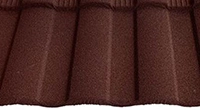
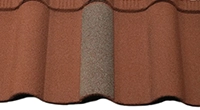


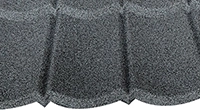
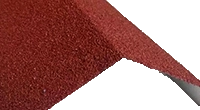




Stone Coated Metal Roofing in South Africa: Questions for Local Buyers
Stone Coated Metal Roofing in South Africa: Questions for Local Buyers
Start with the customer segment and project type
South African buyers evaluating stone coated metal roofing may include importers, building-material distributors, roofing contractors, developers and individual project owners. These groups do not necessarily have the same purchasing priorities. A distributor may focus on product range, stock planning and repeat supply, while a contractor may need clear installation details and compatible accessories. A developer may be working from project specifications and approval requirements.
Before approaching a manufacturer, define the intended customer and application. Is the product being considered for private residential roofing, renovation, a new development or distribution? Which profile styles are relevant? What quantity is expected, and will the order include several colors? A clear brief helps the supplier understand the request and helps the buyer decide whether the product range fits the intended channel.
Review local roofing preferences with evidence
Roofing preferences can vary across South Africa by region, building style, price segment and contractor familiarity. Buyers should speak with local roofing merchants, installers and project professionals to understand which profiles and finishes are requested. A product that is suitable for one type of house may not be preferred for another. Local feedback is more useful than treating the whole country as a single market.
When researching demand, look at actual project types, competitor product ranges, distribution coverage and the level of technical support customers expect. If a distributor is considering a new category, sample display and contractor feedback can help assess interest. The goal is to understand the market position of stone coated metal roof tiles without making unsupported claims about national demand or market share.
Confirm the technical requirements for each project
South African projects should be assessed against the applicable local building regulations, project specifications and professional design requirements. The buyer should identify any relevant requirements for structural design, wind loading, fire performance, drainage or other aspects of the roof assembly. These details should be confirmed with local professionals and authorities. An overseas manufacturer should not be expected to determine every local compliance obligation from a general enquiry.
For the product itself, specify the steel substrate, thickness definition, metallic coating, profile, dimensions, effective coverage and color. Ask for the relevant technical documents and confirm that they correspond to the offered product. If a project requires certification or testing, define the exact document and scope before quotation. This reduces the risk of discovering a compliance gap after an order has been placed.
Plan accessories and installation support
A roofing order should consider ridge components, hips, valleys, flashings, eaves and gable details as well as field tiles. The roof drawing helps determine which accessories are required and whether standard components are suitable. If accessories are sourced locally, confirm their dimensions and compatibility with the selected tile profile.
Contractors should have access to installation guidance, fixing information and product drawings before work begins. The installation method must follow the manufacturer's instructions and local requirements. If the roof design includes complex intersections or penetrations, resolve those details before materials are delivered. A clear accessory schedule can help distributors and contractors avoid incomplete orders.
Evaluate the manufacturer and export arrangement
A South African importer should understand whether the supplier is the factory, exporter or an intermediary coordinating production. Ask where the product is manufactured, which processes are carried out in-house and how incoming materials and finished goods are checked. If a factory visit is possible, review the actual production process and ask to see how the approved specification is communicated to the production team.
Export arrangements should be discussed in practical terms. Confirm the quotation unit, trade term, packing details, gross and net weight, container loading assumptions, production lead time and documents the exporter can prepare. Importers should work with their customs broker to confirm tariff classification, duties, import procedures and any product-specific requirements. Product classification and regulatory obligations should not be assumed from a supplier's general description.
Compare landed cost rather than one price figure
The factory price is only one part of the import cost. Buyers should understand the cost basis, packing, inland transport, freight, insurance, customs charges, duties, port handling and local delivery. Which items are included depends on the trade term and the commercial arrangement. A quotation should make its scope clear so that the importer can estimate landed cost consistently.
When comparing suppliers, make sure the product specification and quantity basis are the same. A price per piece may not be directly comparable with a price per square metre if effective coverage differs. Check whether accessories and packaging are included. If the price difference is large, ask what material or scope difference explains it. This is a more reliable way to evaluate an offer than choosing the lowest number without reviewing the details.
Use samples and documentation to reduce uncertainty
Request labeled samples for the profiles and colors under consideration. Inspect dimensions, shape, granule appearance, edge condition and surface coverage. Keep the approved sample and match it to the technical specification. If the buyer plans to promote the product to local contractors, a small sample board can support product education and feedback.
Documentation should be reviewed before the order is confirmed. Ask for product data, drawings, packing details and any available material or inspection records relevant to the order. If a local approval is required, confirm the process with the responsible authority or certification body. Do not rely on a general statement that a product is approved for a country unless the exact document and scope can be verified.
A practical enquiry checklist for South African buyers
A well-prepared enquiry includes the intended application, delivery destination, estimated quantity, preferred profile, color, material specification, roof drawings if available, accessory requirements and requested documents. It should also identify whether the buyer is an importer, distributor, contractor or project purchaser, because the supply arrangement and technical questions may differ.
FUODE ROOFING can review enquiries from South African buyers for stone coated metal roof tiles and related materials. The discussion can begin with the product profile and required specification, then move to samples, quotation scope and export arrangements. A transparent process gives both sides a clearer basis for evaluating whether the product and supply plan fit the buyer's market.

— FUODE ROOFING —
Stone Coated Metal Roofing Source Factory | Shandong, China
www.fuode.com | Welcome factory visit & sample requests