Español
 العربية
 Francés
 Русский
 Português
 Deutsch
 日本語
日本語
 한국어
한국어
 Việt
Việt



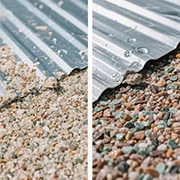



Roofing Contractors Say Stone Coated Metal Tiles Can Be Installed Without Waiting for Sunny Weather — But the Substrate Must Be Dry
Roofing Contractors Say Stone Coated Metal Tiles Can Be Installed Without Waiting for Sunny Weather — But the Substrate Must Be Dry
When roofing contractors are working to a tight construction schedule, waiting for several consecutive sunny days can be frustrating. This is especially true during rainy seasons or in regions where the weather changes frequently. A question often comes up on site: can stone coated metal roof tiles be installed when the sky is cloudy, as long as the roof substrate is dry? In many cases, installation can proceed in suitable cloudy conditions, but the answer depends on more than the appearance of the weather. The roof deck, underlayment, roofing materials, temperature, humidity and the product manufacturer's installation instructions all need to be considered.
For experienced roofing teams, the key is not simply waiting for sunshine. It is making sure the roof system is ready to receive the tiles and that the working conditions are appropriate. A dry substrate is an important starting point, but it does not automatically mean that installation is safe or suitable during rain, heavy dew, strong winds or other unfavorable conditions. Understanding this distinction can help contractors plan work more effectively, avoid preventable installation problems and maintain consistent workmanship.
At FUODE ROOFING, we manufacture stone coated metal roof tiles for international markets. We understand that contractors need practical information when arranging materials and construction schedules. In this article, we look at when installation may proceed in cloudy weather, why substrate preparation matters, and what roofing teams should check before starting work.
Does Stone Coated Metal Roofing Have to Be Installed on Sunny Days?
Not necessarily. Sunny weather is convenient for many roofing tasks, but direct sunlight is not a universal requirement for installing stone coated metal roof tiles. If the roof substrate is dry, properly prepared and structurally sound, and the weather conditions remain within the selected product's installation requirements, work may be possible on a cloudy day.
The more important question is whether the complete roofing system is ready for installation. The roof deck should be clean, dry, stable and free from loose debris, standing water, damaged areas or protruding fasteners that could affect the underlayment or tiles. The underlayment should be installed according to its own instructions, with the required overlaps and detailing at eaves, valleys, ridges and penetrations. If the roof deck or underlayment is damp, or if rain is expected before the system can be adequately protected, the installation team should reassess the work schedule.
Cloudy weather can sometimes provide comfortable working conditions, particularly when direct sunlight makes the roof surface very hot. However, cloud cover does not necessarily mean that conditions are dry. Morning dew, high humidity, fog and intermittent showers can leave the roof surface or materials damp even when there is no obvious rainfall. Contractors should inspect the actual work area rather than making decisions based only on the forecast or the sky.
Why a Dry Substrate Matters
The roof deck is the foundation of the installation
Before installing stone coated metal roof tiles, the contractor should confirm that the roof deck or supporting substrate is suitable for the selected roofing system. A dry and stable surface helps the installation team prepare the underlayment and supporting components according to the product requirements. Moisture trapped beneath roofing materials can contribute to problems within the roof assembly, depending on the materials, climate and ventilation design.
If the existing deck has suffered water damage, swelling, decay or structural deterioration, simply waiting for the surface to dry is not enough. The underlying issue needs to be assessed and corrected before installation continues. Likewise, a surface that looks dry may still contain moisture in concealed areas. Where there is uncertainty, a qualified contractor should use an appropriate inspection method to determine whether the substrate is ready.
The preparation process should include checking the deck for uneven areas, loose materials, damaged boards and conditions that may interfere with proper installation. Any repairs, moisture control measures or additional preparation should follow the project design, local building requirements and the manufacturer's instructions.
Underlayment and roof details also need attention
A dry roof deck is only one part of the preparation. Underlayment, flashing and other roof components need to be installed in the correct sequence and under suitable conditions. The requirements may vary depending on the roof design, climate, selected underlayment and stone coated metal tile system.
Particular care is needed at roof valleys, eaves, ridges, wall junctions, chimneys and other penetrations. These areas require coordinated detailing to manage rainwater and maintain the continuity of the roof's protective layers. If the work is interrupted by rain, the team should ensure that exposed areas are protected and that no water is trapped within the assembly.
What Should Contractors Check Before Starting on a Cloudy Day?
A cloudy day can be suitable for installation, but the roofing team should check the site conditions before proceeding. The roof surface and substrate should be dry, the materials should be stored appropriately, and the forecast should be reviewed for expected precipitation and wind. The team should also confirm that access, fall protection and other site safety arrangements are suitable for the conditions.
Temperature and humidity can influence material handling and installation procedures. Some roofing systems use adhesives or coatings with specific curing and handling requirements. Even where the finished roofing product is designed for outdoor exposure, its installation instructions may include precautions for wet conditions, storage and foot traffic. These instructions should take priority over general advice.
Stone coated metal roofing products are not all identical. The precise coating formulation, installation method and recommended handling practices can vary between manufacturers and product ranges. For example, some manufacturers provide specific guidance about avoiding prolonged water saturation and unnecessary foot traffic on wet panels during installation. Contractors should therefore consult the technical documents for the actual product being installed rather than assuming that one manufacturer's procedure applies to every tile.
When Should Installation Be Paused?
The phrase "the substrate is dry, so work can continue" needs an important qualification: a dry substrate does not make every weather condition acceptable. If rain is falling, the work surface is becoming wet, or water could enter an unfinished roof assembly, installation should be paused or the work area protected in accordance with the project and product requirements.
Strong winds can also make handling large roofing components difficult and increase the risk of accidents. Wet surfaces, morning dew, fog or frost may create slipping hazards for workers. If the weather makes safe access or correct installation uncertain, delaying the work is a sensible construction decision.
Contractors should also consider the timing of the work. If a section of the roof is opened or partially completed, the team needs a plan to protect exposed areas from sudden showers. Materials should be stored in accordance with the manufacturer's recommendations, with suitable protection from rain and moisture. Packaging should not be assumed to provide complete waterproof protection unless the supplier explicitly confirms it.
How to Plan Roofing Work During Changeable Weather
For projects scheduled during a rainy season, planning is often more useful than relying on a long stretch of sunshine. Contractors can organize the work into manageable roof sections, prepare the substrate and accessories in advance, and coordinate material delivery with the expected installation sequence. This can reduce the amount of unfinished roof exposed to changing weather.
A practical approach is to inspect and prepare the roof before the installation crew begins laying tiles. Confirm that the deck is sound and dry, the underlayment and flashing are ready, and the selected product's installation requirements are understood. If conditions are suitable, the crew can proceed with the planned section while keeping materials protected and monitoring the weather. If rain begins or the roof becomes unsafe, work should stop and exposed areas should be secured.
Good communication between the contractor, site manager and material supplier is also important. When the selected profile, specifications, installation method and required accessories are confirmed before the work starts, the team is better prepared to respond to changes in the schedule. This is particularly relevant for projects involving multiple roof slopes, complex junctions or customized material orders.
Choosing the Right Stone Coated Metal Roofing Product
Weather planning is only one part of a successful roofing project. The selected tile profile and specification should also match the roof design, local conditions and installation requirements. Stone coated metal roof tiles combine a metal substrate with protective coatings, adhesive and colored stone granules. Their tile-style appearance makes them an option for a range of residential and other suitable roofing projects, but the installation system must be designed and applied correctly.
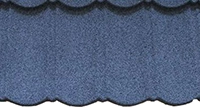
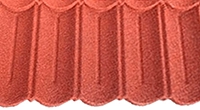
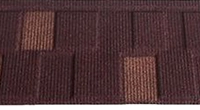
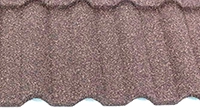
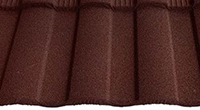
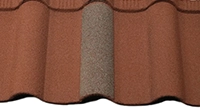
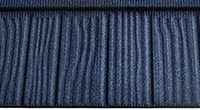
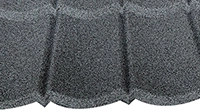
FUODE ROOFING offers different stone coated metal roofing profiles, including Bond, Classic, Shingle and Milano, with various color options. Buyers should confirm the dimensions, effective coverage, substrate specification, installation instructions and available accessories for the particular product they intend to use. Product selection should be based on the roof's design and the relevant technical requirements, not simply on appearance.
As a source factory, FUODE ROOFING works with international customers on product selection, specifications and OEM/ODM requirements. For contractors and distributors, confirming these details before ordering can help with project planning, material estimates and coordination with the installation team. We encourage buyers to discuss their application and destination-market requirements so that the relevant product information can be reviewed before production and shipment.
Does Cloudy Weather Affect the Finished Roof?
Cloudy weather during installation does not automatically mean that the finished roof will have a problem. The outcome depends on whether the materials were installed and handled according to the manufacturer's instructions, whether the substrate and underlayment were properly prepared, and whether the roof details were completed correctly.
The more important risks arise when work proceeds under unsuitable conditions, such as installing over a wet or damaged substrate, allowing moisture to become trapped, exposing unfinished areas to rain, or disregarding product-specific handling requirements. Poor installation practices can affect the fit, fastening, surface condition or water management of the roof system. These risks are not unique to cloudy weather; they can occur whenever preparation and installation procedures are overlooked.
For this reason, contractors should keep a record of relevant site conditions and follow the installation guidance for the chosen product. If a tile becomes damaged, a coating is scuffed or an unfinished area is exposed to water, the team should refer to the manufacturer's repair and inspection recommendations before continuing.
The Practical Answer: Dry Substrate First, Suitable Conditions Throughout
So, can stone coated metal roof tiles be installed without waiting for sunny weather? In suitable conditions, yes. Cloudy weather alone is not necessarily a reason to stop work. However, the roof deck and other required surfaces must be properly prepared and dry, the materials must be handled according to their instructions, and the overall conditions must allow safe and correct installation.
For roofing contractors, the best approach is to judge the actual site conditions rather than follow a simple rule based on sunshine. A dry substrate is essential, but it is only one part of the decision. Rain, humidity, wind, worker safety, the condition of the roof assembly and the manufacturer's product-specific guidance all matter.
At FUODE ROOFING, we believe that reliable roofing projects begin with clear product information and careful installation planning. We welcome contractors, distributors and project buyers to contact us for information about stone coated metal roof tiles, available profiles, colors, specifications and OEM/ODM options.

— FUODE ROOFING —
Stone Coated Metal Roofing Source Factory | Shandong, China
www.fuode.com | Welcome factory visit & sample requests