Español
 العربية
 Francés
 Русский
 Português
 Deutsch
 日本語
日本語
 한국어
한국어
 Việt
Việt





Can You Walk on a Stone Coated Metal Roof for Maintenance? Yes, but There Are Important Precautions
Can You Walk on a Stone Coated Metal Roof for Maintenance? Yes, but There Are Important Precautions
A common question from homeowners, contractors and roofing distributors is whether a stone coated metal roof can be walked on for inspection, cleaning or routine maintenance. The short answer is yes, in some circumstances, but it depends on the roof structure, tile profile, installation method and the manufacturer's instructions. Stone coated metal roofing is designed as a roofing system, not as a general-purpose walking surface. Walking on it without understanding its support and safe access points may damage the tiles or create a serious fall hazard.
This is an important detail to understand before choosing roofing materials. A roof may look solid from the ground, but its ability to support a person depends on more than the visible tile surface. The underlying battens or supporting structure, fasteners, roof slope and condition all play a role. Even when the roof structure can support maintenance access, stepping on the wrong part of a tile may cause bending, surface damage or loosening.
At FUODE ROOFING, we manufacture stone coated metal roof tiles for international markets. We believe that helping customers understand practical product use is part of responsible communication. Whether you are a homeowner planning routine inspections, a contractor working on a roof, or a distributor answering customer questions, knowing how to approach roof access can help protect both the roofing material and the people carrying out the work.
Can You Walk on Stone Coated Metal Roof Tiles?
In general, a properly designed and installed stone coated metal roofing system may allow carefully controlled access for inspection and maintenance. However, this does not mean every tile is suitable for foot traffic, or that every roof can safely support someone walking across it. The manufacturer's installation guidance and the roof's structural design should determine whether access is permitted and how it should be carried out.
Stone coated metal roof tiles typically consist of a metal substrate, protective coatings, adhesive and colored stone granules. The finished surface provides a textured appearance, but the granules are not intended to function as a non-slip walking surface. The metal tile is also formed into a specific profile, with raised sections, channels and overlaps. These features help create the roofing layout, but they do not necessarily provide uniform support beneath a person's foot.
The key distinction is between the load-bearing capacity of the roof structure and the ability of the individual tile to tolerate concentrated foot pressure. A roof frame may be engineered to carry maintenance loads, while a tile can still be damaged if someone steps on an unsupported section. For this reason, roof access should always follow the product-specific instructions and be assessed by a qualified roofing professional where necessary.
Why Does the Walking Position Matter?
Step only where the roof system provides support
One of the most important precautions is to understand how the tiles are supported. Stone coated metal roof tiles are generally installed over a supporting system, such as battens or other specified roof components, according to the product and roof design. The safe walking path, where access is permitted, depends on the relationship between the tile profile and the supporting structure.
Stepping on an unsupported flat area or between support points may concentrate weight on a section that is not designed to carry it. This can lead to deformation, cracking or damage to the coating and stone granules. The appropriate foot placement varies by tile profile and installation arrangement, so it is not responsible to give one universal stepping position for every stone coated metal roof.
Before maintenance, check the installation instructions for the exact product. If the guidance is unclear, contact the manufacturer or a qualified installer rather than guessing. This is particularly important for roofs with unusual geometry, long spans, complex intersections or signs of existing damage.
Avoid unnecessary pressure on edges and overlaps
Roof tiles are arranged with overlaps to help shed rainwater. These areas are part of the roofing system, but they should not automatically be treated as walking points. Applying concentrated pressure to an edge, unsupported overlap or projecting section may distort the tile or affect its fit with adjacent pieces.
The same care applies around ridges, hips, valleys, eaves and roof penetrations. These areas often involve special components and flashing details. They may also have different support arrangements from the main roof field. Walking across them without a planned access route can increase the chance of damaging the roofing system or losing balance.
Consider the roof slope and surface condition
A steeper roof presents a greater fall risk, even when the roofing material itself is in good condition. Rain, dew, dust, algae, loose granules and other surface contaminants can further affect footing. A textured stone-coated finish should not be assumed to provide reliable traction in wet or dusty conditions.
For routine inspection, choose a suitable weather window and avoid accessing the roof during rain, strong winds, frost or other conditions that make footing uncertain. If the roof is steep, high or difficult to access, use an appropriate access system and qualified personnel rather than attempting to walk across it casually.
What Can Happen If You Walk on the Roof Incorrectly?
Walking on a stone coated metal roof without following the correct procedure can create several types of problems. The most visible may be scratches, scuffing or localized loss of stone granules. In some cases, excessive pressure may deform a tile or affect the way it sits against neighboring pieces. If the tile or its fasteners are disturbed, the issue may require inspection and repair.
Not every footprint or minor surface mark means the roof has failed, and the seriousness of any damage depends on the product and the condition of the roof. However, damage should not be ignored simply because it is difficult to see from the ground. If a tile appears bent, loose, cracked or unusually worn after maintenance work, have it assessed by a qualified roofing professional and follow the manufacturer's repair recommendations.
Repeated, unnecessary foot traffic can also increase the chance of cumulative wear. A roof that only needs occasional visual inspection should not be used as a regular walking route. Where maintenance is expected to be frequent, the building designer may be able to plan safer access arrangements, such as designated walkways or suitable roof access equipment.
How to Carry Out Roof Inspection and Maintenance More Safely
The safest approach is to avoid walking on the roof unless access is genuinely necessary and the roof system has been confirmed as suitable. Many routine checks can begin from the ground using binoculars or photographs, looking for displaced tiles, visible debris, damaged flashing, blocked gutters or other obvious changes. For closer inspection, use a qualified roofing contractor who understands the specific tile profile and the roof's access requirements.
When roof access is necessary, the work should be planned in advance. The person responsible should assess the roof structure, slope, weather, access points and potential fall hazards. Appropriate fall-protection measures, access equipment and work procedures should be used in accordance with local occupational safety requirements. Ordinary shoes, improvised ladders or an assumption that a roof is safe to walk on are not substitutes for a proper risk assessment.
Cleaning should also be approached carefully. Avoid dragging heavy equipment, sharp tools or abrasive materials across the surface. High-pressure washing may damage coatings or disturb granules if used incorrectly, so cleaning methods should follow the product manufacturer's instructions. If moss, algae, leaves or other debris have accumulated, determine the cause and choose a suitable cleaning method rather than applying force to the tiles.
For maintenance work involving repairs, antennas, solar equipment, ventilation components or other installations, plan the work with the roofing system in mind. Penetrations and attachments can affect waterproofing, and any alteration should be completed using suitable details and materials. A qualified installer should check that the work does not compromise the roof's drainage or protective layers.
Does the Tile Profile Affect Walkability?
Yes. Different stone coated metal roof tile profiles have different shapes, raised sections, channels and overlap arrangements. These differences can influence how the tile is supported and where maintenance access may be appropriate. However, the profile alone cannot establish whether a roof is safe to walk on. The supporting structure, installation method, material specification and manufacturer's guidance must also be considered.
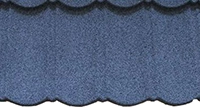
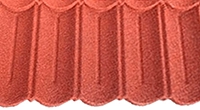
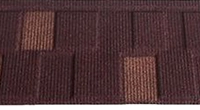
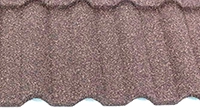
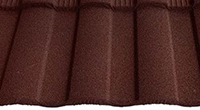
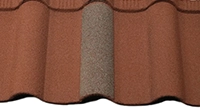
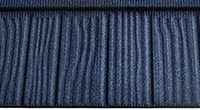
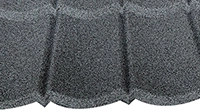
FUODE ROOFING offers a range of stone coated metal roofing profiles, including Bond, Classic, Shingle and Milano. Each profile has its own appearance and product characteristics, so buyers should refer to the technical information and installation instructions for the selected model rather than applying advice intended for another profile. Product specifications and access guidance should be confirmed before maintenance or installation planning.
For contractors and distributors, this is also a useful point to explain to customers during product selection. A roof's maintenance requirements should be considered alongside its appearance, dimensions, installation details and local conditions. Clear guidance helps homeowners understand that a roofing product is part of a complete system, rather than an isolated surface.
What Should Homeowners Check Before Maintenance?
Before arranging maintenance, homeowners should confirm what type of roof has been installed and locate the product information supplied by the contractor or manufacturer. The installation manual, warranty terms and maintenance guidance may specify access restrictions, cleaning methods and repair procedures. If these documents are unavailable, the original installer or supplier may be able to identify the product and provide relevant instructions.
It is also important to consider the age and condition of the roof. A newly installed roof and an older roof with loose tiles, corrosion, damaged flashing or structural concerns should not be treated the same way. If there are signs of deterioration, do not assume the roof remains safe for foot traffic. Arrange an assessment before carrying out maintenance that requires access.
For commercial buildings or properties with frequent service needs, it may be worth discussing planned maintenance access during the design stage. A designated walkway or other suitable access provision can help reduce unnecessary contact with the roofing surface, provided it is designed and installed for the specific roof system.
How FUODE ROOFING Approaches Product Information
At FUODE ROOFING, we manufacture stone coated metal roofing tiles for international markets, with different profiles and color options for a variety of building designs. We understand that buyers need more than product photographs when evaluating roofing materials. They also need clear specifications, suitable installation information and practical guidance on how the selected product should be used and maintained.
When discussing a project, buyers should confirm the tile profile, substrate specification, dimensions, effective coverage and relevant installation requirements. For maintenance-related questions, the instructions for the exact product and the design of the roof should take priority over general advice. Where the roof structure or access conditions are uncertain, a qualified local professional should assess the situation.
Our aim is to support informed product selection and clear communication from the sourcing stage through to installation planning. A well-chosen roofing tile is important, but its long-term condition also depends on suitable structural design, correct installation, appropriate maintenance and the conditions at the building site.
The Answer Is Yes, but Roof Access Needs Careful Planning
Stone coated metal roof tiles may be walked on for certain inspection and maintenance tasks when the complete roof system is designed and confirmed to permit access. The important point is that not every tile, roof profile or roof structure is suitable for foot traffic. Safe access depends on the product instructions, support arrangement, roof slope, weather and appropriate fall-protection measures.
For homeowners, the best first step is to check the installation and maintenance guidance and avoid unnecessary roof access. For contractors, understanding the tile profile and supporting structure is essential before planning maintenance work. For distributors and project buyers, discussing access and maintenance requirements at the product selection stage can help set realistic expectations.
At FUODE ROOFING, we believe reliable roofing decisions begin with clear product information and responsible installation planning. If you are sourcing stone coated metal roof tiles for a residential or commercial project, our team welcomes inquiries about product profiles, specifications, colors and OEM/ODM requirements.

— FUODE ROOFING —
Stone Coated Metal Roofing Source Factory | Shandong, China
www.fuode.com | Welcome factory visit & sample requests