Español
 العربية
 Francés
 Русский
 Português
 Deutsch
 日本語
日本語
 한국어
한국어
 Việt
Việt
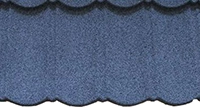
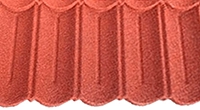

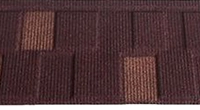
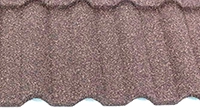




Good Stone Coated Metal Roof Tiles Can Stand Up to Comparison: A Practical Self-Inspection Guide for Buyers
Good Stone Coated Metal Roof Tiles Can Stand Up to Comparison: A Practical Self-Inspection Guide for Buyers
A Good Roofing Tile Should Be Able to Stand Up to a Closer Look
When buyers compare stone coated metal roof tiles, the first thing they usually notice is the price. Then come the color, profile, surface texture and product photographs. Two suppliers may show what looks like almost the same tile, yet their quotations can be quite different. Naturally, the next question is: what is the actual difference, and how can you tell which product is suitable for your project?
We understand this question well at FUODE ROOFING. As a manufacturer of stone coated metal roofing tiles, we know that overseas buyers cannot make a purchasing decision based on a photograph alone. Importers need products they can confidently offer to their customers, contractors need materials that match the project specifications, and distributors need a clear understanding of what they are buying before placing a large order. A low price may look attractive at first, but without checking the product details, it can be difficult to know whether two quotations are genuinely comparable.
That is why we have put together a practical self-inspection guide for buyers. You do not need to be a laboratory technician to begin checking a roofing tile, and you do not need complicated equipment for every part of the process. A physical sample, the agreed product specifications and a little patience can already help you ask better questions. These checks cannot replace professional testing when a project requires it, but they can help you understand the product more clearly before committing to a bulk order. At FUODE ROOFING, we believe a product should be judged by its actual materials, manufacturing details and agreed specifications, not just by the words used to describe it.
Start with the Steel Substrate, Not Just How the Tile Feels
The first thing worth checking is the metal substrate. Stone coated metal roof tiles may have a thick-looking profile and a textured surface, but their actual material specifications cannot be determined simply by looking at them or picking one up. The steel substrate forms the base of the tile, and its thickness and coating information should be confirmed for the exact product you intend to purchase. Different profiles and orders may have different specifications, so it is important to compare the stated requirements rather than assume that one number applies to every tile.
Ask the supplier to confirm the steel substrate type and specified thickness in writing. If thickness is a key requirement for your project, use a suitable measuring instrument and make sure the measurement method accounts for the surface layers where necessary. The reading should be compared with the agreed specification, technical data or approved sample requirements. Hand feel can provide a general impression, but it cannot tell you whether the material meets a particular thickness requirement. Likewise, a raised or deep profile does not automatically mean that the steel underneath is thicker.
For importers and distributors, this is one of the most useful ways to compare quotations fairly. If two suppliers quote different prices for what appears to be the same stone coated metal roof tile, check whether the substrate specifications are actually the same. The coating system, dimensions, profile, packaging and other order requirements should also be compared. Only then can you begin to understand whether the price difference reflects a real difference in the product or simply different quotation terms.
At FUODE ROOFING, we encourage customers to confirm the specification before production begins. A clear written agreement gives the buyer and manufacturer a common reference when samples and finished goods are checked. It also makes the conversation more straightforward: instead of debating whether a tile feels strong enough, both sides can discuss the actual material requirement and how it should be verified.
Look Closely at the Stone Coating and Surface Finish
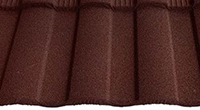
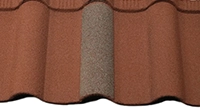
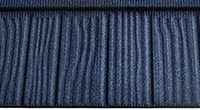
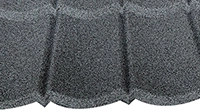
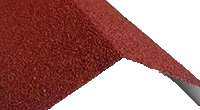
The second check is the visible surface. Stone granules give stone coated metal roofing its distinctive textured appearance, and the color and finish often play a major role in the buyer's decision. But surface inspection should involve more than asking whether the color looks attractive. Place the sample under good lighting and examine the granule distribution, looking for obvious bare areas, unusual patches, damaged sections or significant differences in texture. Turn the tile over as well, because the back and edges can provide additional information about its overall condition.
When comparing colors, try to view the approved sample and production sample under similar lighting. Photographs taken on different phones or in different environments can make the same color appear noticeably different. This is especially important when a customer selects a customized color or plans to install a large roof area. A physical sample provides a more useful reference than a photograph alone, although normal visual variation should still be assessed against the agreed acceptance criteria.
The surface of a stone coated metal roof tile is part of a layered system. The metal substrate, protective coatings, bonding materials and stone granules all contribute to the finished product. A good visual appearance is important, but it cannot prove every aspect of the material's performance. For example, a tile with a consistent-looking surface may still need additional checks to confirm its specifications, while a small difference in texture does not automatically mean that the product is defective. The right approach is to compare what you can see with the approved sample and use suitable tests for requirements that cannot be confirmed by visual inspection.
This is also why we recommend discussing color and finish before bulk production. At FUODE ROOFING, product requirements and approved samples provide a reference for manufacturing and inspection. When the customer and factory agree on the expected appearance in advance, it becomes easier to evaluate the finished batch fairly and avoid misunderstandings after delivery.
Check Stone Granule Adhesion Without Jumping to Conclusions
The third check concerns how firmly the stone granules are attached to the surface. Because the granules create the tile's textured finish, buyers naturally want to know whether they remain in place during handling, transportation and normal use. When inspecting a sample, you can gently rub a small area of the surface and observe whether an unusual amount of loose material comes away. You can also look for visible patches where the granules appear weakly attached or where the surface is noticeably different from the surrounding area.
The important word here is “unusual.” A small amount of loose particles or surface dust may occur during handling and transportation, so it would not be reasonable to treat every loose grain as proof of a defect. On the other hand, excessive loose material, obvious weak areas or a surface that appears to shed granules easily deserves further investigation. If you notice a concern, take photographs and ask the supplier what inspection method is appropriate for that product.
A simple hand check is useful as an initial screening step, but it is not a standardized laboratory test. The actual bonding performance depends on the materials and production process, and formal testing may be needed where the project specification requires measurable results. Buyers should therefore avoid making a final decision based on one quick rub test. Instead, inspect several representative tiles, compare them with the approved sample and ask the manufacturer how surface quality and granule adhesion are monitored during production.
For larger orders, it is worth agreeing on the inspection method before production or shipment. That way, the buyer and supplier understand what will be checked and what would count as an acceptable result. At FUODE ROOFING, we believe these conversations are part of a sensible purchasing process. A clear inspection requirement helps turn a general concern about surface quality into something that can be discussed and evaluated more objectively.
Measure the Dimensions and Compare the Profile
The fourth check is one that installers tend to appreciate immediately: dimensions and forming accuracy. A roofing tile may look perfectly normal when it is sitting by itself, but small differences can become more noticeable when several pieces are placed together. The length, width, profile shape and effective coverage should correspond with the specification for the exact product being ordered. It is worth measuring more than one piece rather than assuming that a single sample represents the entire production batch.
Pay particular attention to the difference between the overall panel size and the effective coverage size. These figures are not necessarily the same because roof tiles overlap during installation. If you use the overall dimensions to estimate how much roof area each piece will cover, the material calculation may not reflect the actual installation layout. For contractors and project buyers, confirming the effective coverage before ordering can help with quantity planning and reduce confusion when the materials arrive on site.
You can also place several tiles together to compare the alignment of their waves, edges and overlapping sections. Look for obvious deformation or differences that could make installation more difficult. However, a visual comparison should still be made against the correct profile and product drawing. Different stone coated metal roofing profiles are designed to have different shapes, so two different designs should not be judged by the same geometric expectations.
For customized orders, this step becomes particularly important. If you have requested a specific profile, size or other modification, make sure the approved sample and confirmed specification are available for comparison. At FUODE ROOFING, we understand that different markets and projects may require different product options. Confirming the dimensions and profile before production gives the buyer a clear reference and helps ensure that inspection is based on the actual order rather than a general catalogue image.
Do Not Ignore the Edges, Corners and Underside
The fifth check is easy to overlook because most buyers focus on the finished surface. Turn the tile over and inspect its underside, edges and corners. Look for obvious deformation, damage to the coating, irregular cuts or signs that the product has been mishandled. These areas can be especially useful to inspect when evaluating a physical sample because they provide a closer look at the finished product beyond the main visible surface.
A cut edge needs to be assessed in context. Its appearance can be affected by the cutting method and handling, so a rough-looking edge does not automatically prove that the tile was poorly manufactured. Likewise, a clean-looking edge cannot establish the complete material specification. If the product will require cutting during installation, ask the supplier about the appropriate tools and any edge treatment required by the manufacturer's instructions. The correct procedure depends on the product and the installation requirements, so it should not be guessed from appearance alone.
Packaging deserves the same attention. For an overseas order, a tile must pass through storage, handling, loading, transportation and unloading before it reaches the installation site. Check whether the bundles or cartons are securely packed, whether labels are clear and whether the product quantities match the packing information. If the order contains multiple colors or profiles, make sure they can be identified correctly. Good packaging cannot change the quality of the tile itself, but it can help reduce avoidable damage during transportation and make the delivery easier to manage.
At FUODE ROOFING, finished-product inspection includes attention to product condition and preparation for shipment, with the exact checks depending on the agreed order requirements. For buyers, it is reasonable to ask how the tiles will be packed, how the quantity will be verified and what information will be provided before dispatch. These are practical questions, especially when you cannot visit the factory in person.
A Sample Is Useful, but the Bulk Order Matters Too
One of the most common mistakes in buying building materials is making a decision based entirely on a sample and assuming that there is nothing more to check. A sample is important because it lets you examine the actual product before placing a larger order. However, the next question is whether the production batch will follow the same agreed specifications. That is why sample approval, production monitoring and pre-shipment inspection should be considered as parts of one purchasing process.
Before confirming an order, keep a clear record of the approved sample and the key product requirements. These may include the steel substrate and thickness, profile, dimensions, color, surface finish, quantity and packaging. For products intended for a project with specific technical requirements, confirm which documents or tests are necessary and whether they apply to the exact product being supplied. If you require an independent inspection, discuss the scope and timing with the supplier before the goods are ready to ship.
A factory should be able to explain how the product is manufactured and how its inspection process relates to the order specification. At FUODE ROOFING, our quality-control approach covers checks before manufacturing, monitoring during production and inspection of finished products before shipment. The specific inspection items depend on the product and the requirements agreed with the customer. We see this process as a practical way to make expectations clearer, rather than as a reason to make sweeping claims that no product could ever have a problem.
For overseas buyers, clear communication is especially valuable. When a question arises, it helps to have an approved sample, written specifications and inspection records to refer to. If the product is intended for resale, these details can also help you explain the material more accurately to your own customers. The goal is not to find fault with every tile. It is to understand what you are buying and to make sure the product is assessed against the requirements that were actually agreed.
We Welcome Buyers Who Want to Compare Carefully
At FUODE ROOFING, we manufacture stone coated metal roof tiles for customers who need to evaluate products for their own markets and projects. We know that each buyer has different priorities. Some focus on color and appearance for residential projects, while others pay more attention to dimensions, material specifications, packaging or customized product requirements. These are all reasonable considerations, and the most useful conversation begins when the buyer explains what the product needs to meet.
We do not expect customers to make a decision simply because a supplier says the product is good. Ask for the relevant specifications, examine a physical sample and clarify how the production batch will be checked. If two quotations look similar but the prices differ, compare the details before deciding. If a project has particular performance requirements, make sure those requirements are discussed before the order is placed. A well-informed buyer is better prepared to select a product that suits the intended application.
Good stone coated metal roof tiles should be open to a fair comparison based on their specifications, appearance, dimensions and inspection results. No single visual check can prove everything, and no checklist can replace the requirements of a specific project. But taking the time to examine the product carefully can help you ask more useful questions and make a more confident decision.
That is why we are happy to share this self-inspection guide with our customers. Whether you are an importer, distributor, contractor or project buyer, start with the sample, confirm the specification and compare the finished goods against the agreed requirements. At FUODE ROOFING, we believe that trust is built through clear information, consistent communication and a willingness to discuss the details. When a roofing product is being purchased for a real building, those details matter far more than a promise made in a sales message.

— FUODE ROOFING —
Stone Coated Metal Roofing Source Factory | Shandong, China
www.fuode.com | Welcome factory visit & sample requests