Español
 العربية
 Francés
 Русский
 Português
 Deutsch
 日本語
 한국어
 Việt
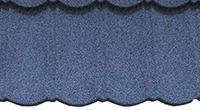
Bond
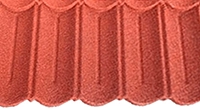
Heavy Dirty Bond

Classic
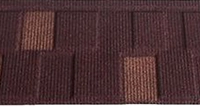
Shingle
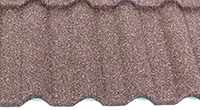
Milano
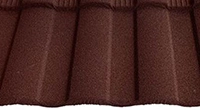
Roman
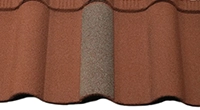
Groove
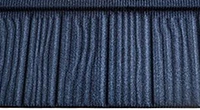
Makuti Grained

Slate
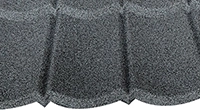
Lengthened
Roof Accessories
Roof Grade
Steel Coils

Corrugated Roofing Sheets
Corrugated Steel Sheet
Energy Efficiency: The reflective metal and air gap underneath can improve thermal insulation, reducing cooling costs in warm climates.
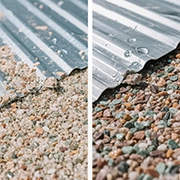
The natural stone granule layer breaks up direct solar exposure and reduces the sharp heat transfer often associated with plain metal sheets. This helps keep the roof surface from heating up too quickly, contributing to a more stable indoor temperature.
Light-colored and reflective coatings can bounce a portion of solar radiation away from the roof instead of absorbing it. When combined with proper insulation and roof ventilation, this helps reduce heat buildup in the attic or ceiling space.
By limiting excessive heat transfer into the building, the roofing system helps ease the workload on air conditioning during hot weather. This can support lower cooling energy consumption and make the roof suitable for warm climates and energy-conscious projects.

Yes. The stone granule surface helps moderate heat absorption, so the roof generally feels less intense than plain metal under direct sunlight. This can contribute to a cooler attic or ceiling space in hot weather.
Lighter and more reflective colors usually help reduce solar heat gain compared with darker shades. However, color selection should also consider architectural style, local climate and customer preferences.
It can help lower cooling demand by reducing heat transfer into the building, especially when combined with proper insulation and ventilation. The actual energy saving depends on climate, building design and usage habits.
Yes. The roofing itself helps improve thermal comfort, but insulation and ventilation play an important role in overall energy performance. For best results, the roof should be designed as part of a complete building system.
The stone granule coating and protective layers are designed to maintain stable performance under long-term weather exposure. While some natural aging may occur, the roof continues to provide thermal benefits throughout its service life.