Acrylic Resin Glaze (Top Layer)
The outermost layer is a specialized acrylic resin coating that seals the surface. It enhances the glossiness of the stone granules, provides an extra barrier against dirt accumulation, and ensures the roof remains self-cleaning during rainfall.
Colored Stone Granules
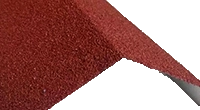
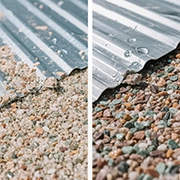
High-quality natural stone chips are embedded in this layer. They provide the authentic texture and color of traditional roofing materials while offering superior protection against UV radiation, hail impact, and extreme weather conditions.
Acrylic Adhesive Resin
A high-strength acrylic adhesive bonds the stone granules firmly to the metal substrate. This layer is critical for preventing granule loss over time and ensuring the structural integrity of the surface finish.
Aluminum-Zinc Alloy Coating (Top Side)
The steel core is coated with a specialized aluminum-zinc alloy (typically 55% aluminum, 43.4% zinc, and 1.6% silicon). This layer offers exceptional corrosion resistance—up to six times that of pure zinc—and provides heat reflectivity to improve energy efficiency.
Steel Substrate
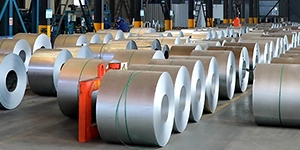
The core of the tile is made from high-tensile strength steel (typically 0.4mm–0.5mm thick). This base provides the structural rigidity needed to withstand heavy loads, wind uplift, and physical impact while remaining lightweight.
Aluminum-Zinc Alloy Coating (Bottom Side)
The underside of the steel substrate is also coated with the aluminum-zinc alloy. This symmetrical protection prevents rust from forming on the interior side of the roof, guarding against condensation and humidity within the roof structure.
Fingerprint-Resistant Protective Film (Base Layer)
The final bottom layer is a transparent, fingerprint-resistant film. It protects the aluminum-zinc coating during handling and installation, prevents oxidation, and adds an additional layer of defense against moisture and chemical corrosion.

 Español
 العربية
 Francés
 Русский
 Português
 Deutsch
 日本語
 한국어
 Việt