Español
 العربية
 Francés
 Русский
 Português
 Deutsch
 日本語
日本語
 한국어
한국어
 Việt
Việt




5 Details to Check When Inspecting Stone Coated Metal Roof Tiles: A Practical Guide to Quality
5 Details to Check When Inspecting Stone Coated Metal Roof Tiles: A Practical Guide to Quality
Buying stone coated metal roof tiles is a little different from buying ordinary building materials. From a distance, two tiles can look almost identical. The colors may be similar, the stone granules may look similar, and even the profiles can appear the same in a product photo. But once the order reaches a real construction project, small differences in material and production quality can become much easier to notice. This is why, when we talk with overseas distributors, contractors and project buyers at FUODE ROOFING, we usually recommend one simple thing: do not judge a roofing tile only by its appearance in a catalog. Ask to inspect the actual sample and, for bulk orders, check the finished goods against the agreed specification. A proper inspection does not have to be complicated or require a laboratory at the beginning. There are several practical details that an experienced buyer can check directly. Steel thickness, coating and substrate information, stone granule adhesion, tile dimensions and forming accuracy, and the condition of the edges and overall surface can tell you quite a lot before a container leaves the factory. Of course, these checks do not replace professional laboratory testing when a project requires specific standards or certification. They simply give buyers a more practical way to understand what they are actually purchasing. At FUODE ROOFING, we manufacture stone coated metal roofing products and support OEM/ODM requirements such as profile, size, color and branding customization, so we understand why buyers want the physical product to match the specification discussed before production.

Steel Thickness: Don't Judge It by Hand Alone
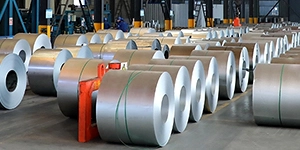
The first thing worth checking is the steel substrate, because the stone coating you see on the surface is only part of the tile. A stone coated metal roof tile starts with a metal substrate, and its thickness should be confirmed according to the specification agreed for the particular order. This is where buyers sometimes make a common mistake: they pick up a tile, feel that it is “strong,” and assume the thickness is correct. Hand feel can give you a general impression, but it cannot replace an actual measurement. A simple thickness gauge or micrometer provides much more useful information. More importantly, compare the measurement with the purchase specification, quotation, approved sample or technical data rather than assuming that one thickness is suitable for every project. Different profiles and orders can have different requirements. For example, FUODE's product pages list specific dimensions and thicknesses for particular products, while the Bond and Classic products discussed on the company's technical page use 0.55 mm galvalume steel for that specific application. That is why a professional buyer should ask a very straightforward question before production: What steel thickness are we actually ordering, and how will it be checked? If the supplier gives you a clear answer and is willing to put the specification in writing, it makes later inspection much easier. For an OEM order, this becomes even more important because customized products can involve different profiles, sizes or substrate requirements. A sample should not simply be “similar to the picture”; it should become a physical reference connected to the agreed production specification. If you are buying stone coated steel roof tiles in volume, checking the steel substrate is one of the easiest ways to move the conversation from appearance and price toward something measurable.
Check the Coating and the Surface, Not Just the Color
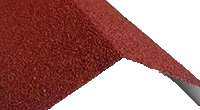
The second detail is the coating system and surface condition. When a buyer sees a beautiful green, brown, black or grey stone coated roofing tile, the first instinct is usually to compare the color. Color matters, especially for residential projects and private-label products, but it is not enough to judge the quality of the tile. Look closely at the surface. Is the stone granule distribution reasonably consistent? Are there obvious bare areas? Does the surface show unusual patches, exposed substrate or areas where the coating appears uneven? Then turn the tile over and look at the back as well. The substrate and coating information should be consistent with what was agreed for the order. A stone coated metal tile is a multi-layer product rather than simply a piece of steel with colored sand placed on top. FUODE's own technical material describes the product structure in terms of the steel substrate, preparation and coating layers, primer, adhesive and stone granules, and explains why each layer matters to the finished tile. For buyers, the practical lesson is quite simple: look at the whole tile, not just the front color. If you have received an approved sample, place the bulk-production tile beside it under similar lighting and compare them. Do not rely only on photographs sent through WhatsApp, because lighting and camera settings can make two colors look very different. For custom colors, FUODE's OEM/ODM process includes color formulation and approval samples, which gives buyers a physical reference before larger production. That reference becomes particularly useful during pre-shipment inspection because the question changes from “Does this color look good?” to “Does this production batch match the approved sample?”
Stone Granule Adhesion: A Simple Test Can Tell You a Lot
The third detail is one that many buyers overlook until they receive the goods: how firmly are the stone granules attached? A stone coated metal roof tile should have an even, well-bonded surface. When inspecting a sample, you can gently rub the surface with your hand and observe whether an unusual amount of loose granule comes away. A small amount of loose particles or dust can occur during handling and transportation, so the point is not to expect absolutely nothing to move. What you want to avoid is excessive loose material, visible weak areas or sections where the stone layer can be easily disturbed. You can also look carefully around formed edges and cut areas, because these locations deserve attention during inspection and installation. The quality of the adhesive system, curing process and granule application all influence the finished surface. FUODE's technical information describes quality checks related to granule adhesion and production consistency, and its article on complex roof shapes specifically notes that proper manufacturing quality affects how stone coated metal tiles respond to careful cutting and bending. For a buyer, there is no need to turn a sample inspection into a complicated experiment. A simple practical check can be enough to identify obvious problems before moving to formal testing. You can check several tiles from different cartons rather than inspecting only the best-looking sample. You can gently rub different areas of the surface, examine the edges, and compare the overall granule distribution. If you are purchasing for a large project, it is also reasonable to ask the factory what internal quality-control checks are carried out during production and whether an independent third-party inspection can be arranged. FUODE states that third-party inspection can be accepted for its products when required by customers. That kind of openness is useful because a serious bulk-order inspection should not depend entirely on the seller saying that everything is fine.
Dimensions and Forming Accuracy: This Is Where Installation Starts
The fourth detail is size, shape and forming accuracy. This may sound less exciting than color or stone granules, but installers notice dimensional consistency very quickly. Stone coated metal roofing is installed piece by piece, so if the dimensions or formed profile vary noticeably between batches, it can affect alignment, overlap and the overall appearance of the roof. During inspection, measure several tiles from different packages rather than measuring only one. Check the overall panel dimensions, effective coverage dimensions and important profile points according to the approved specification. Also place several tiles together and look at how their edges and waves line up. One tile on its own may look completely normal; several tiles placed together can reveal differences that are difficult to see individually. FUODE's product pages provide specific panel and effective-size information for individual products, such as a 1340 × 420 mm panel size and 1270 × 370 mm effective size for one listed stone coated metal roofing tile, which illustrates why buyers should inspect against the specification of the exact product they ordered rather than use a generic number for every profile. This is also particularly important for OEM stone coated metal roof tiles. If you have ordered a special profile, custom dimensions or a private-label product, the approved sample and technical drawing should become the reference point for inspection. At FUODE, customization can include profile and size adjustments, so the inspection process needs to follow the actual order specification rather than a standard product sheet. For contractors, this is not simply a factory quality issue. Good dimensional consistency can make the installation process easier to organize because installers are working with tiles that follow the same basic geometry. It also makes it easier to identify an unusual piece before it reaches the roof.
Edges, Corners and Packaging: Small Details Often Reveal the Production Process
The fifth detail is the condition of the edges, corners and finished packaging. Pick up a few tiles and inspect the edges carefully. Look for obvious cracks, severe deformation, damaged coating, exposed areas that should not be exposed, or corners that have been bent during handling. If the tiles have been cut or prepared for a particular project, pay even more attention to those areas. A clean and properly handled edge is easier for installers to work with than a damaged edge that has already been affected before installation. Then take a look at the packaging. Are the tiles packed securely? Are cartons or bundles labeled clearly? Does the quantity correspond with the packing list? Are customized colors, profiles or sizes clearly identified? Packaging may seem like a logistics issue rather than a quality issue, but for international orders it is part of the supply chain. A product can leave the factory in good condition and still arrive with avoidable damage if it is not properly protected during handling and transportation. For bulk orders, the inspection should therefore cover both the product and the shipment itself. A useful checklist can be as simple as:
· Steel: measure thickness against the agreed specification.
· Surface: compare color, texture and granule distribution with the approved sample.
· Granule adhesion: gently check for unusual loose granules or weak-looking areas.
· Dimensions: measure several pieces and compare profile and effective coverage.
· Edges and packing: inspect corners, cut areas, bundles, labels and overall packaging condition.
For a professional buyer, the real value of these five checks is not finding a reason to reject a supplier. It is making the purchasing process more transparent. If something does not match, it is much easier to discuss a measurable difference than to have a vague argument about whether a product “looks good.” This is also why we encourage customers to confirm specifications before production instead of waiting until the container arrives. FUODE's OEM process describes pre-production approval samples, in-process quality checks and pre-shipment inspection as part of customized export orders. In practice, this means the buyer and factory can agree on what the product should look like and what specifications matter before a large quantity is produced. If the project is important, an independent inspection before shipment can add another layer of confirmation. There is nothing unusual about a buyer wanting to inspect steel thickness, dimensions, surface condition, quantity and packaging before releasing a shipment. In international construction-materials purchasing, it is simply a sensible way to reduce misunderstandings.
At FUODE ROOFING, we understand that an overseas customer is not only buying a few pieces of roofing tile. A distributor may need to sell the product in a local market for years. A contractor needs material that fits the installation method and project specification. A building-materials brand needs its OEM product to remain consistent from one order to the next. That is why we believe the conversation should start with the product itself: what is the steel specification, what profile is being produced, what coating and stone finish are required, what dimensions have been confirmed, and how will the finished order be checked? Our website presents FUODE as a manufacturer of stone coated metal roofing products with in-house production and OEM/ODM customization, including profile, size, color and LOGO requirements, while product pages provide individual specifications and quality-inspection information. We would rather let a customer inspect a sample, ask questions and understand the specification clearly than depend on exaggerated marketing language. After all, a roofing tile is going to be installed on a real building, not inside a product catalog. The more clearly both sides understand the material before production, the easier it is to make the finished order match the project requirement. So if you are currently comparing stone coated roofing tiles, do not look only at the quotation and the color chart. Ask for the sample, measure it, turn it over, check the surface, compare the dimensions, inspect the edges and, for a larger order, arrange a proper pre-shipment inspection. Five simple details cannot replace every laboratory test, but they can help you see the difference between a product that simply looks good in a photo and one that has been produced according to a clear, verifiable specification. That is the standard we believe a long-term roofing supplier relationship should be built on.

— FUODE ROOFING —
Stone Coated Metal Roofing Source Factory | Shandong, China
www.fuode.com | Welcome factory visit & sample requests