Español
 العربية
 Francés
 Русский
 Português
 Deutsch
 日本語
日本語
 한국어
한국어
 Việt
Việt




Why Contractors Recommend Stone Coated Metal Roof Tiles: Faster Installation, Less Rework, Better Project Economics
Why Contractors Recommend Stone Coated Metal Roof Tiles: Faster Installation, Less Rework, Better Project Economics
When a roofing contractor chooses a roofing material, the decision is rarely based on appearance alone. A roof may look attractive in a product catalogue, but once it arrives on site, the real questions begin. How easy is it to handle? How much time does installation take? Can workers cut and adjust the material without creating unnecessary waste? Will the roofing system work smoothly with the existing structure? And perhaps most importantly, how much trouble will the contractor have to deal with after the roof is finished?
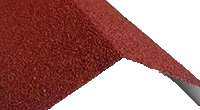
These are some of the practical reasons why stone coated metal roof tiles have become an option considered by contractors, builders and roofing distributors in different markets. Compared with heavier traditional roofing materials, stone coated metal roofing combines a steel substrate with a protective coating and stone granule surface. The result is a roofing product designed to balance weight, strength, appearance and installation efficiency.
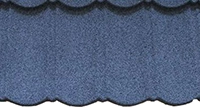
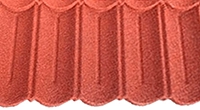
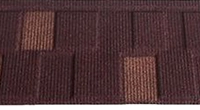
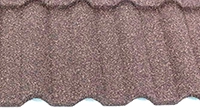
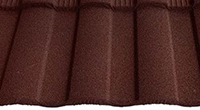
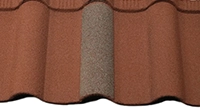
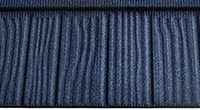
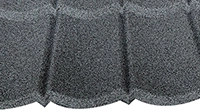
At FUODE ROOFING, we manufacture stone coated metal roof tiles with different profiles, including Bond, Classic, Shingle, Milano, Roman, Slate and Groove styles. Our product range is designed for different architectural preferences and project requirements rather than relying on a single roof profile.
For a contractor, this variety matters because roofing projects are not all the same. A residential renovation may require a different appearance from a villa, resort, commercial building or rural property. Having several profiles and color options allows the roofing material to be selected according to the project instead of forcing every building into the same visual solution.
But the bigger reason contractors look at stone coated metal roof tiles is what happens during installation.
Roofing is labor-intensive work. The material has to be transported to the roof, positioned correctly, cut where necessary and fixed securely. When individual pieces are relatively light, handling can become easier for the installation team. FUODE's published product information lists stone coated metal roof tiles at around 5.64 kg per square meter for one of its standard products, with an effective coverage area of approximately 0.47 square meters per panel.
A lighter roofing material can also be relevant when working on older buildings or renovation projects where reducing additional roof load is an important consideration. FUODE specifically describes its stone coated roofing tiles as suitable for retrofitting old buildings because of their lightweight construction.
This is where the idea of “faster installation” needs to be understood properly. It does not mean that every project will be completed in exactly the same amount of time, because installation speed depends on roof design, structure, local building requirements, weather, workforce and installation methods. What a practical roofing system can do is reduce some of the handling and adjustment work that makes installation unnecessarily complicated.
For contractors, small improvements during installation can add up. A tile that is easier to carry, position and cut can help workers maintain a smoother workflow. A profile that fits consistently can reduce the need for repeated adjustments. Accessories designed for the roofing system can also make it easier to handle ridge, edge and other detailing work.
The other part of the equation is rework.
No contractor wants to return to a completed project because of avoidable installation problems. Rework means additional labor, additional transportation and additional coordination with the customer. It can also affect the contractor's schedule for the next project.
Of course, no roofing material can eliminate rework completely. Roof geometry, installation quality and local weather conditions all have an influence on the final result. But product consistency, clear specifications and proper installation procedures can make the process more predictable.
This is one reason the relationship between a contractor and a roofing tile manufacturer can be important.
A contractor does not simply buy a roof tile. They are also buying a supply process. If the manufacturer can provide consistent product specifications, colors, profiles and packaging, the contractor has a clearer basis for planning the job.
This is especially relevant for overseas projects.
International roofing buyers may be purchasing container quantities for distribution, housing projects or construction work. In these cases, the manufacturer behind the product becomes part of the project's supply chain. Questions about raw materials, production capacity, quality inspection, packaging, customization and technical communication become just as important as the appearance of the tile.
FUODE positions itself as a manufacturer integrating research and development, production and sales, with more than ten years of experience in metal building materials. The company website states that its factory covers more than 80,000 square meters and that annual production capacity exceeds 5 million square meters. The company also reports exports to more than 30 countries.
For a contractor or distributor, factory-direct sourcing can make communication more straightforward. Instead of discussing every technical detail through several layers of suppliers, buyers can communicate directly with the manufacturer about profile selection, color, dimensions, packaging and other requirements.
FUODE also provides OEM and ODM services, including logo imprinting, size adjustment and customized color formulation.
That flexibility can be useful when a roofing distributor wants to develop a private-label product or when a contractor is working on a project with specific appearance requirements.
Another point contractors pay attention to is weather resistance.
A roof is exposed to sun, rain, wind and temperature changes throughout its service life. The performance of the roofing material therefore depends not only on its surface appearance but also on the substrate and coating system underneath.
Stone coated metal roofing typically uses coated steel as its structural base, followed by protective coating layers and stone granules. On one of FUODE's published products, the company specifies a 0.4 mm thickness and describes a multi-layer corrosion protection system involving the steel substrate, pretreatment, primer, topcoat and stone granules.
The purpose of this layered construction is straightforward: each layer contributes to protecting the steel and maintaining the roof's surface performance. For buyers working in humid, rainy or coastal environments, understanding the material structure can be more useful than simply comparing the colors or prices shown on a quotation.
The stone granule surface also gives metal roofing a different visual character from plain metal sheets. Depending on the profile and color, stone coated metal roof tiles can create an appearance closer to traditional tile or shingle roofing while retaining the underlying steel structure.
This combination of appearance and practical performance is one reason the product can be used across different types of buildings. FUODE's product range includes multiple tile profiles and a broad color palette, allowing buyers to select different visual effects for residential and other construction applications.
For contractors, the commercial side of roofing is equally important.
A roofing project has a budget. Labor, transportation, material waste, installation time and potential service work all influence the final project economics. When a roofing material can be handled efficiently and supplied consistently, contractors have more room to manage these variables.
This does not mean that stone coated metal roof tiles automatically create a higher profit on every project. The actual result depends on local material prices, labor costs, roof design, transportation, market positioning and the contractor's own pricing model.
What can make a difference is predictability.
If the material specification is clear, the supply is stable and the installation process is familiar to the roofing team, contractors can estimate their costs with greater confidence. That is often more useful in real construction work than simply choosing the lowest quotation.
This is also where the manufacturer behind the product becomes important.
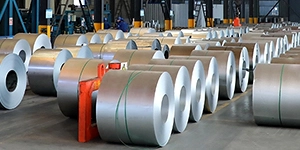
At FUODE ROOFING, we work from the material side of the roofing business, including coated steel coils and stone coated metal roofing products. The company describes its production chain as covering raw materials, roofing tile manufacturing and factory-direct supply.
For overseas customers, this means the conversation does not have to stop at “How much is one square meter?”
A more useful conversation is about what is inside that square meter: steel substrate, coating specification, stone granules, profile, effective coverage, accessories, packaging, production consistency and the requirements of the installation environment.
Those details are what allow contractors and distributors to compare roofing products on something more meaningful than price alone.
A good roofing project should work for the installer as well as the building owner. The installer needs a material that can be handled and installed efficiently. The distributor needs a product that can be supplied consistently. The project owner needs a roof that matches the intended appearance and performance requirements. When these three perspectives are considered together, the choice of roofing material becomes much clearer.
That is why stone coated metal roof tiles continue to attract attention from roofing contractors and building-material buyers. Their lightweight steel construction can simplify material handling, their stone-coated surface provides a range of architectural appearances, and their available profiles make them adaptable to different project styles. With appropriate installation and product selection, they can be considered for new construction, renovation and other roofing applications.
At FUODE ROOFING, our approach is simple: manufacture the product, understand the material behind it, and communicate clearly with the customer.
For a contractor, the value of a roofing tile is not only what it looks like when the box is opened. It is how the material behaves when it reaches the job site, how easily the team can work with it, how consistently the next shipment matches the previous one, and how confidently the contractor can quote the next project.
That is the practical side of stone coated metal roofing.
Faster installation is useful. Less unnecessary rework is useful. A manageable project cost is useful. But behind all three is the same thing: a roofing product that is designed and manufactured with the real installation environment in mind.
For contractors, distributors and project buyers looking for a stone coated metal roof tile manufacturer, these are the details worth asking about before placing an order. And for those who want to compare profiles, colors, specifications or OEM options, FUODE ROOFING provides product information and factory-direct communication through its official website.

— FUODE ROOFING —
Stone Coated Metal Roofing Source Factory | Shandong, China
www.fuode.com | Welcome factory visit & sample requests