Español
 العربية
 Francés
 Русский
 Português
 Deutsch
 日本語
日本語
 한국어
한국어
 Việt
Việt

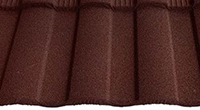
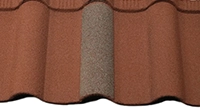
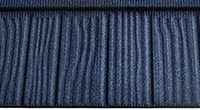

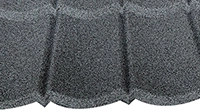


Stone Coated Metal Roof Tiles: What A 1kg Weight Difference Reveals In Roofing Price Wars
Stone Coated Metal Roof Tiles: What A 1kg Weight Difference Reveals In Roofing Price Wars
Anyone who has sourced stone coated metal roof tile for international construction projects will quickly run into the confusing reality of today’s roofing market. Two sets of samples can look nearly the same at first glance, marked with matching dimensions and described as the same style of stone coated metal roofing. Yet the quotation varies widely, and once you weigh the tiles side by side, one product can be lighter by roughly one kilogram per piece. Many project owners and roofing contractors focus only on the unit price when comparing suppliers, and the cheaper option seems tempting at the early stage of procurement. But it is worth slowing down and thinking about what gets cut away when a stone coated tile loses 1kg while keeping the outer appearance unchanged. This is not about saying every lighter tile is poor quality, but about understanding the common adjustments manufacturers make to reduce material cost in the ongoing price competition across the roofing industry. FUODE ROOFING, as a source factory specializing in stone coated metal roof tile production in Shandong, has worked with countless overseas clients over the years, and we have seen many cases where customers selected low-cost tiles only to face unexpected issues after installation on site.
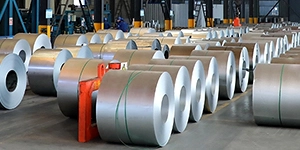
The biggest factor that impacts the weight of stone coated metal roofing is the metal substrate, which forms the backbone of every tile. Most standard products rely on aluminium-zinc alloy steel sheets, and the thickness of this base directly affects the total weight. If a manufacturer reduces the substrate thickness by a small margin, each tile will lose weight immediately, and raw material cost drops significantly. To the naked eye, the finished tile still maintains the same shape, covered by natural stone granules and protective coating. It is hard to tell the difference just by looking at the surface. However, a thinner substrate offers less structural rigidity. When the tile is installed on sloped roofs, it may be more prone to slight deformation under heavy rain, strong wind or long-term temperature cycles. Over time, deformation creates gaps between overlapping tiles, raising risks of water infiltration. Some suppliers may still list the same nominal thickness on their product sheet, while the actual gauge of the steel coil used for production sits below the stated standard. This is one of the most frequent reasons for the 1kg weight difference buyers discover when they receive physical samples.
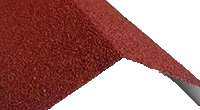
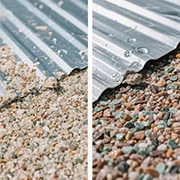
Apart from the metal base, the layer of bonded stone granules also contributes a notable portion of the tile weight. Authentic stone coated metal roof tile uses carefully screened natural stone chips, bonded firmly onto the metal surface with high-adhesion polymer coating systems. A sufficient layer of stone granules protects the steel substrate from direct UV radiation, slows down heat transfer and adds weather resistance. When manufacturers aim to cut costs, they can apply a thinner granule layer, or use a blend with a higher share of fine powder instead of full-size stone chips. The tile still looks textured from a distance, but the total mass goes down. A thinner granule layer wears faster under continuous sunlight and heavy seasonal rains. After several years of exposure, granule loss may become visible, leaving the metal coating exposed to the outdoor environment. Once the top protective layer wears away, the underlying steel faces higher chances of rust formation, shortening the service life of the whole roof system. This weight reduction is subtle and cannot be spotted without comparing samples on a precise scale, which explains why many buyers miss this detail before shipment.
The bonding coating system is another component that can be adjusted to lower weight and production cost. The coating system includes primer layers, adhesive layers to hold stone granules, and a top seal coat. Quality production follows multi-coat application with controlled drying time between each pass. Some manufacturers cut corners by reducing the number of coating passes or using coating materials with lower solids content. The wet coating may spread easily during manufacturing, but once cured, the finished layer is thinner and lighter. Weak coating adhesion will lead to stone granules detaching more easily during transport, installation or long-term outdoor exposure. For projects located in coastal zones with salt spray, or regions with large temperature swings, coating integrity matters greatly for long term roof performance. Many customers only start noticing these problems after tiles have been delivered and mounted on the roof, and replacement or repair work creates extra expense and project delays that far exceed the initial savings from a lower purchase price.
We often talk with clients who tell us they did not consider weight as a quality indicator at the beginning of their procurement process. They trusted product descriptions and photos, and assumed matching outer dimensions meant matching quality. Some clients even told us that lighter tiles seemed easier to carry during installation, which sounded like a benefit. Light weight can be an advantage when the material is engineered to remain within stable quality tolerances. The concern arises when weight reduction comes from downgrading raw materials rather than optimized structural design. When comparing samples, weighing individual tiles is one simple, practical test buyers can complete by themselves. It does not replace lab testing reports for corrosion resistance, coating adhesion or wind load performance, but it serves as a quick preliminary check to spot mismatches between product descriptions and actual goods. At FUODE ROOFING, we always recommend our partners to test samples physically before confirming bulk orders, alongside reviewing material certificates and arranging factory inspections if schedules allow.
It is also important to clarify that weight variation does not always signal compromised quality. Minor differences can come from natural variation in stone granule density, or slight tolerance within steel coil specifications set by raw material mills. A small deviation within a defined tolerance range is normal for mass production. The red flag appears when two tiles of the same model show a large consistent weight gap across multiple sample pieces. This pattern usually signals intentional material adjustments to lower production cost. In the middle of fierce price competition, many factories are pushed to keep lowering quoted prices, and raw materials become the easiest place to make cuts. Not every factory shares these material adjustments openly with buyers, which creates information asymmetry for contractors and project developers sourcing roofing materials for residential buildings, commercial villas and agricultural structures across global markets.
For overseas buyers, the impact of material choices extends beyond roof durability. When tile substrate or coating quality falls short, maintenance requests start coming in a few years after completion. Roof repair work is complex and costly, especially for finished buildings. Contractors can face damage to their professional reputation with property owners when roof issues appear. Many of our long-term partners tell us they prefer to choose suppliers who maintain stable raw material standards, even if the unit price is not the lowest available option. Stable and predictable material performance helps them avoid after-sales troubles and maintain reliable project delivery for their own clients. This mindset is what we mean by staying clear-headed amid industry price wars. Procurement decisions should balance budget limits with long-term project value, rather than making choices based on price alone.
At FUODE ROOFING, as a source factory for stone coated metal roofing, we keep consistent standards for substrate thickness, stone granule application and coating processes for our standard tile models. We provide physical samples for customers to weigh and inspect, and supply relevant material documentation for project review. We also support trial orders so buyers can test products on site before committing to full container shipments. Our team regularly communicates with clients about how to compare stone coated metal roof tile quality, sharing practical knowledge accumulated through years of export production. We understand that every project has its own budget constraints, and we work with clients to find suitable solutions while being transparent about product specifications and material features.
When you evaluate stone coated metal roof tile suppliers next time, take the time to get physical samples, compare their weight, check the stone granule bonding, and review substrate specifications. A difference of one kilogram per tile may seem trivial on paper, yet it can represent meaningful changes to the raw materials used to make the roof. In the long run, roofing is an investment that protects buildings for decades. Taking time to verify product quality before purchase helps avoid unnecessary losses and ensures the finished roof delivers the performance you expect. If you are sourcing stone coated metal roofing for your upcoming construction projects, you can reach out to FUODE ROOFING for samples and further technical support to support your material selection process.

— FUODE ROOFING —
Stone Coated Metal Roofing Source Factory | Shandong, China
www.fuode.com | Welcome factory visit & sample requests