Español
 العربية
 Francés
 Русский
 Português
 Deutsch
 日本語
日本語
 한국어
한국어
 Việt
Việt




Stone Coated Metal Roofing Tile Shipping from Tianjin Port — Sea Freight Transit Time
Stone Coated Metal Roofing Tile Shipping from Tianjin Port — Sea Freight Transit Time
For building material importers, distributors, and project contractors sourcing across international markets, lead time planning directly shapes construction schedules and working capital efficiency — particularly when procuring stone coated metal roofing tiles in container volumes. Having a clear picture of the complete sea freight transit timeline from the loading port helps buyers avoid costly delays, stockouts, and project overruns. As a major comprehensive hub port serving northern China, Tianjin Port operates an extensive container shipping network that handles substantial volumes of stone coated metal roofing tiles, light steel framing components, and roofing waterproofing accessories in both FCL and LCL shipments on a regular basis. FUODE ROOFING, a Shandong-based manufacturer focused on stone coated metal roofing tile production, has shipped containerized orders through Tianjin Port to markets spanning Southeast Asia, the Middle East, Africa, Europe, and the Russian Far East over many export cycles. Drawing on hands-on experience from repeated shipments, the factory has compiled a detailed sea freight transit time reference tailored to roofing material export scenarios — giving overseas buyers a practical tool for scheduling procurement and inventory planning around their specific destination market.
The complete Tianjin Port sea freight export process for stone coated metal roofing tiles breaks down into three stages: domestic movement from factory to port and pre-shipment handling, ocean transit, and destination port customs clearance with container pickup. Stone coated metal roofing tiles ship as standard containerized building materials with no oversized-cargo or hazardous-goods restrictions, so the overall logistics flow remains predictable and manageable — though the time consumed at each stage has a direct impact on the total port-to-port timeline. On the domestic front-end logistics side, the typical sequence includes booking space, collecting an empty container, loading at the factory, returning the laden container to the terminal, and completing customs declaration and release. Under the conventional cargo-consolidation model, goods must be trucked to an off-dock yard for staging in advance, and the full pre-shipment phase requires roughly 5 working days. Under the direct-to-terminal loading model now in use at Tianjin Customs, intermediate warehousing and hand-off steps are substantially cut: the factory can book a terminal delivery slot as soon as the container is loaded while filing advance customs clearance in parallel. Where no customs examination is triggered, the entire terminal-front procedure wraps up within 1 to 2 working days. For overseas buyers facing urgent delivery deadlines, the factory prioritizes the direct-to-terminal clearance channel to compress the domestic-leg timeline.
Booking volatility is a factor sourcing managers can easily overlook. During peak export seasons each year, global shipments of building materials, machinery, and equipment pour into the market simultaneously, and container slot availability tightens across major carriers. A booking placed too close to the ready date can result in no available space or a rolled sailing, stretching out the overall shipment window. FUODE ROOFING, as a manufacturer with sustained, year-round export volume, maintains ongoing cooperation with several mainstream carriers, which allows the factory to lock in reliable container space for stone coated metal roofing tile orders. Even during high-season congestion periods, the team can reserve appropriately sized containers against the buyer’s production timeline, preventing last-minute booking delays from disrupting the supply plan and reducing lead-time uncertainty at the source. After booking and container loading are complete, the customs clearance timeline depends mainly on inspection status. Stone coated metal roofing tiles are manufactured from galvalume steel sheet and high-temperature-fired color stone granules — they fall under ordinary construction materials with a generally low examination rate. A straightforward document review and release typically clears within half a day to a full day. If a random inspection is selected, the terminal’s designated examination area allows everything to be completed at a single location without layering on additional waiting time. Once cargo is released, the vessel loads and departs from Tianjin Xingang according to its scheduled sailing date.

Ocean transit is the stage that most determines the total port arrival timeline, and the sailing duration and service frequency vary considerably by destination region. Drawing on FUODE ROOFING’s vessel schedule data from multiple years of stone coated metal roofing tile shipments, overseas buyers can get a clear transit time reference. The Southeast Asia lane offers the most frequent and stable sailings: from Tianjin Port to key ports in Thailand, Malaysia, and Indonesia, the standard ocean voyage runs between 7 and 15 days, with the majority of routes maintaining fixed weekly departures. This puts less pressure on buyer inventory cycles and suits small to mid-sized building material distributors running partial-container restocking on a rolling basis. The Middle East is a region of sustained demand growth for stone coated metal roofing tiles: sailings from Tianjin Port to hub ports such as Jebel Ali (Dubai), Dammam (Saudi Arabia), and Hamad (Qatar) take approximately 20 to 35 days at sea. Slot availability on these lanes is ample, and FCL shipment reliability holds up well across seasons. For the Russian Far East, the sailing distance is shorter — typically 5 to 10 days — making this route a practical fit for construction projects across Central Asia and Russia that need to procure roofing materials in bulk.
For the African market — where Nigeria, Kenya, Cameroon, and other West and East African countries represent core export destinations for FUODE ROOFING stone coated metal roofing tiles — the direct sailing from Tianjin Port to major African ports runs roughly 30 days. Some transshipment routings may add 7 to 10 days of relay waiting time at intermediate hubs. When working with buyers on order planning, the factory distinguishes between direct and transshipment transit times so that the client can choose the logistics option that aligns with their project timeline. For the European market, sea freight journeys are longer: Tianjin Port to base ports across Europe sees ocean transit of 30 to 38 days. During the autumn and winter months, heavier North Atlantic weather can introduce minor delays of 3 to 5 days on a limited number of sailings. The factory tracks vessel movements in real time and keeps buyers informed of any en-route schedule changes so that on-the-ground construction planning can be adjusted accordingly.
A common point of confusion for overseas building material buyers in factory negotiations is blending the production lead time with the sea freight logistics cycle, which makes it difficult to properly separate and budget the total procurement timeline. A source factory that provides integrated production-to-logistics service addresses this issue directly. FUODE ROOFING runs a standardized, fully automated stone coated metal roofing tile production line with stable output at scale. Standard tile profiles and standard colors are maintained in finished-goods inventory, so once a buyer confirms the order and the deposit is received, container loading can proceed within a short window without the need for extended production waiting periods. On the logistics side, the factory deploys a dedicated foreign trade shipping team familiar with Tianjin Port’s export procedures across building material categories, customs documentation requirements, and container loading specifications. The team handles the full chain — booking, trucking, customs clearance, and bill of lading verification — on a single-point-of-contact basis, so the buyer does not need to coordinate with multiple logistics providers. This cuts out the communication friction that adds days to the timeline, forming a complete and efficient delivery chain from the production floor to the shipping lane.
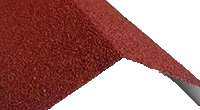
The physical characteristics of stone coated metal roofing tiles also make the container loading and terminal handling process at Tianjin Port smoother, which in turn supports logistics schedule reliability. The tile substrate is corrosion-resistant galvalume steel sheet, with a surface layer of high-temperature-sintered basalt stone granules and an acrylic resin coating. The finished tiles are uniform in shape and stack stably, achieving high container space utilization without the handling-time issues associated with irregularly shaped cargo. The tiles deliver dependable weather resistance, waterproofing, and fire performance across a broad range of climate conditions — from the high-temperature, heavy-rainfall regions of Africa and the severe cold of Central Asia to the humid coastal zones of Southeast Asia. These tiles are widely used as roofing material for self-built homes, villas, light steel-frame structures, and religious buildings in each of these markets. Sustained, consistent demand keeps the factory shipping at high frequency, which has fostered long-term working relationships with logistics providers and shipping agencies. That continuity translates into smoother service across container booking, terminal operations, and customs processing efficiency.
For overseas project contractors and building material wholesalers, selecting a source factory that provides a clear logistics transit time reference and reliable shipment execution is a decisive factor in managing total procurement cost and project scheduling. Some intermediary trading firms on the market do not operate their own production facilities; they need to consolidate cargo from multiple factories, which not only makes the production-to-delivery cycle unpredictable but also leaves the logistics leg without established carrier relationships. This easily leads to booking delays, misloaded containers, documentation errors, and other problems that stretch the overall sea freight arrival time. FUODE ROOFING, as a manufacturer producing its own stone coated metal roofing tiles, exercises direct control over the entire chain — raw material procurement, finished product manufacturing, container packing, and export logistics through Tianjin Port. Every export batch carries a complete set of production, container loading, and customs clearance records. The logistics team tracks vessel status on every order from departure to arrival and provides buyers with periodic updates on cargo location and estimated time of arrival, giving overseas clients clear visibility into the full shipment journey and strengthening confidence in the trading relationship.
Through sustained engagement with buyers across global markets, the factory has developed market-specific sea freight planning recommendations tailored to different regional procurement patterns. For small and mid-sized wholesalers in the short-haul Southeast Asia lane, a strategy of staggered LCL or small-FCL replenishment orders can reduce the amount of working capital tied up in any single shipment while leveraging reliable weekly sailings to maintain inventory. For large-volume building material distributors and project general contractors in the longer-haul Middle East and Africa lanes, the recommendation is to place orders 45 to 60 days ahead of the construction phase, reserving time for factory production, Tianjin Port export sea freight, and destination port customs clearance and collection in full, plus a buffer for weather events, port congestion, and other contingencies. For buyers in Russia and Central Asia, combining sea freight with inland multimodal transport can balance transit time against total logistics cost.
Taking into account the fixed sailing duration on each route out of Tianjin Port, the domestic terminal pre-shipment handling window, and a buffer for uncontrollable external factors, overseas building material buyers can calculate a clear end-to-end timeline for stone coated metal roofing tile deliveries from the FUODE ROOFING factory to their local port. Using the direct-to-terminal express clearance model, the domestic front-end phase takes as little as 1 to 2 working days. Adding the relevant route’s ocean transit time, plus a further 7 to 10 working days of contingency, gives the buyer a complete lead-time reference for procurement planning. Supported by Tianjin Port’s established global container shipping network, the factory’s stable production output, and professional single-window foreign trade logistics support, this approach reduces the operational risk that sea freight transit time variability can impose — and provides building material professionals across international markets with a reliable, transparent, and predictable export delivery solution for roofing products.
In ongoing order discussions, the FUODE ROOFING foreign trade service team works with each buyer’s specific destination country, target port, and purchase volume to prepare a detailed, tailored shipment timeline estimate. The team also provides the full set of customs documentation templates required for Tianjin Port export, along with container loading reference plans, so that every overseas partner has clarity on the key time points across procurement, production, and sea freight — enabling efficient and smooth cross-border building material sourcing.

— FUODE ROOFING —
Stone Coated Metal Roofing Source Factory | Shandong, China
www.fuode.com | Welcome factory visit & sample requests