Español
 العربية
 Francés
 Русский
 Português
 Deutsch
 日本語
日本語
 한국어
한국어
 Việt
Việt

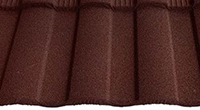
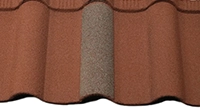
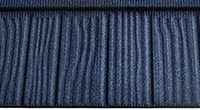

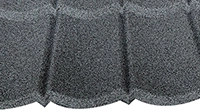


Stone-Coated Metal Roofing: Built for Complex Roof Shapes
Stone-Coated Metal Roofing: Built for Complex Roof Shapes
Anyone working in custom residential or commercial construction knows the headaches that come with irregular roof geometry. Curved roof planes, multi-level hip and valley intersections, dormer cutouts, angled gables and unusual architectural details create real obstacles when choosing roof covering materials. Many classic roofing products are manufactured in rigid fixed forms that leave installers with limited options once they reach tricky roof junctions. Clay and concrete tiles are brittle by nature, and trying to trim or bend these hard ceramic pieces often leads to cracking, breakage and wasted material. Even asphalt shingles, while simple to cut along straight lines, struggle to conform smoothly around curved sections or tight compound angles, leaving gaps and weak spots that can create leakage risks down the line. Architects and contractors frequently find themselves compromising on their original design vision simply because the roofing product cannot adapt to the unique shape of the building, which is why flexible stone-coated metal roofing has grown in popularity for projects with non-standard roof layouts.
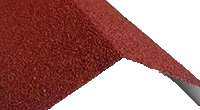
Stone-coated metal roofing is built on a galvalume steel substrate that retains a degree of workability, allowing experienced installers to make clean cuts and gentle bends on site to fit complex roof contours. The tile’s outer surface of natural basalt stone granules stays securely bonded when handled properly, as long as cutting and bending operations follow recommended installation techniques. It is important to clarify that this material is not infinitely flexible, and sharp tight folds that stretch the steel substrate beyond its tolerance can damage the granule adhesive layer. With the correct hand tools including tin snips and metal cutting blades, workers can trim tiles around vent pipes, chimneys, dormer edges and valleys, while gentle controlled bending lets the product follow soft curved roof slopes and adjust to the slight angular shifts found on multi-faceted roof designs. This on-site workability removes much of the pressure that comes with prefabricating every custom roof component in advance, which is especially valuable for overseas projects where site measurements can shift slightly once construction is underway. Many builders tell us they used to plan for large waste margins when working with brittle tile products, and switching to stone-coated metal roofing cuts down material waste significantly for irregular roof builds.
When comparing performance for complex roof jobs, the limits of conventional materials quickly become apparent. Clay and concrete roof tiles must be ordered to match fixed dimensions, and any cuts made on site often chip the tile edges. Broken tiles require replacement, which adds material cost and slows construction timelines. The heavy weight of these traditional tiles also adds extra structural load on complicated roof framing, requiring more robust support engineering for curved or multi-section roof frames. Asphalt shingles can be cut, but their organic composition leaves them prone to accelerated aging at cut edges. Those exposed cut areas degrade faster under UV rays and rain, creating weak spots that need extra sealant and regular inspection. Even some metal roof panels come in long fixed sheets that are difficult to adapt to fragmented roof layouts, and they can be cumbersome to transport and maneuver on intricate roof structures. Stone-coated metal tiles come as individual modular units, and that modularity paired with the ability to trim and bend each tile makes it much simpler to follow changing roof geometry without sacrificing the finished visual consistency.
Buyers sourcing stone-coated metal roofing will notice there are meaningful differences in workability across different manufacturers. Lower-grade products made with thin steel substrate or poor granule bonding may start shedding stone grains at cut or bent areas, which reduces long-term performance and visual appeal. Quality control in production directly affects how each tile responds to trimming and shaping. At FUODE ROOFING, our Bond and Classic stone-coated metal tiles use stable 0.55mm galvalume steel as the base layer, processed with consistent adhesive and full oven curing for the stone granule coating. This production standard helps the tiles hold their surface integrity after careful cutting and gentle bending, minimizing granule loss during on-site shaping work. We also supply matching ridge caps, valley flashing and edge accessories for every order, which work alongside cut and bent field tiles to create continuous waterproof coverage across all the complex joints on an irregular roof. Our technical team shares installation guidance covering proper marking, cutting methods and bending best practices with all our overseas partners, helping installers avoid common mistakes that could damage the tile surface during shaping.
There are practical limits that every project team needs to keep in mind when working with stone-coated metal roofing for custom roof designs. The product works well for soft curves, angled transitions, cutouts around roof penetrations and multi-gable roof layouts, but it is not engineered for extremely tight sharp bends. Installers should always pre-mark cut lines carefully and use metal-specific cutting tools rather than abrasive cutting discs that generate excessive heat, because high heat can break down the adhesive holding the stone granules in place. When bending tiles on site, slow, even pressure is recommended to avoid stretching the coating. We remind our clients that even with a workable roofing material, proper underlayment and flashing details remain essential at valleys, hips and pipe penetrations. A flexible roof tile does not replace careful waterproofing design at these high-risk intersection zones. Many of our contractor customers from Southeast Asia, Africa and Latin America have completed distinctive custom villa roofs and boutique commercial buildings with curved and multi-angled rooflines, and they often mention that the ability to adjust tiles on-site simplified their whole construction workflow compared to rigid tile options they have used before.
Architects and property owners often worry that custom shaped roofs will lose the unified visual look they want once tiles are cut and fitted. When installed following our technical guidelines, the stone granule finish maintains a consistent appearance even along clean cut edges, so finished irregular roof sections blend naturally with the main roof field. This preserves the cohesive classic aesthetic many clients seek for bespoke building designs, without forcing designers to simplify their roof concept to suit less adaptable roofing materials. For renovation projects where old roof structures have non-standard slopes or modified framing, cuttable stone-coated metal roofing offers a practical path to re-cover the roof without extensive structural rework. Instead of rebuilding the roof geometry just to fit rigid tiles, builders can trim and adjust each tile to match the existing frame, saving both labor and construction time.
When planning a project with unique roof shapes, it is wise to review material workability alongside expected service life, weight and local climate performance. Too many beautiful architectural concepts get scaled back because the selected roofing product cannot adapt to complex roof geometry. Taking time to understand how a material performs during on-site fitting helps prevent unexpected delays and excess material waste once construction begins. If you are designing a custom building with curved, multi-gable or irregular roof planes and want to explore stone-coated metal roofing options, FUODE ROOFING can send physical tile samples together with detailed installation guidance for cutting and bending operations. Testing the material’s workability before committing to a large order gives project teams greater confidence as they move forward with their custom roof build.

— FUODE ROOFING —
Stone Coated Metal Roofing Source Factory | Shandong, China
www.fuode.com | Welcome factory visit & sample requests