Español
 العربية
 Francés
 Русский
 Português
 Deutsch
 日本語
日本語
 한국어
한국어
 Việt
Việt
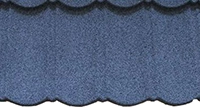
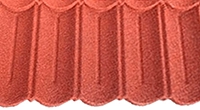

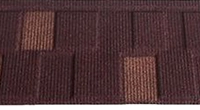
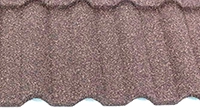
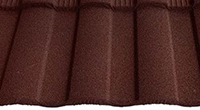
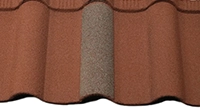
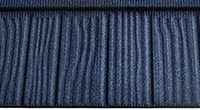

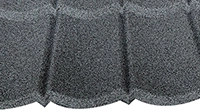



Stone-Coated Metal Roofing: Mold-Free in High-Humidity Climates
Stone-Coated Metal Roofing: Mold-Free in High-Humidity Climates
Anyone who works on construction projects in tropical, coastal or consistently damp territories knows how stubborn roof mold and mildew can become. Warm temperatures paired with constant moisture create ideal conditions for spores to settle, multiply and spread across roof surfaces, and property owners often notice dark streaks, discolored patches and biological growth appearing within just a few years after roof completion. Many project stakeholders mistakenly treat roof mold purely as a cosmetic annoyance, yet prolonged biological accumulation can gradually degrade traditional roofing materials, trap excess moisture underneath tile layers and add extra maintenance workload for building managers. Homeowners, contractors and importers operating in highhumidity markets spend considerable time and budget on periodic roof cleaning, pressure washing and surface treatment work, hoping to hold back mold and algae development, so understanding why certain roofing substrates cope far better with damp environments becomes extremely valuable when making sourcing decisions.
Traditional asphalt shingle roofs face notable challenges under sustained humid exposure. Asphalt material contains organicbased components that can serve as nutrient sources for airborne mold spores. When dew, heavy rain or coastal mist sits on shingle surfaces for extended hours, spores find suitable conditions to take hold, and dark streaky mildew marks gradually spread across roof slopes. Even with special antimildew surface treatments applied during manufacturing, realworld field feedback shows these surface treatments wear away over time under ultraviolet radiation and heavy rainfall, which allows biological growth to resume. Regular highpressure washing becomes necessary to keep visual appearance acceptable, yet improper washing operations may also damage shingle granule layers and shorten overall service life, creating a tricky tradeoff for asset holders. Concrete and clay roof tiles encounter similar difficulties in humid zones. Though inorganic in composition, their porous surface texture traps moisture, dust and organic debris. Dead leaves, airborne dirt and pollen collect across tile ridges and tile laps, and this accumulated organic debris provides nutrition for mold and algae even when the tile itself does not decay. That explains why you can frequently spot dark mold patches on aged clay and concrete tile roofs across rainy coastal areas, and routine manual cleaning remains part of longterm roof upkeep for these systems.
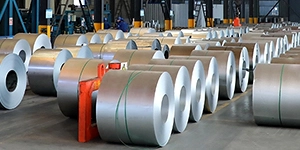
Stonecoated metal roofing operates on a different material foundation, built around solid galvalume steel substrate topped with bonded natural stone granules, and this base material configuration delivers distinct performance characteristics within highhumidity surroundings. The core steel substrate itself is nonorganic, offering no nutritional source to feed mold or mildew spores, which removes one major condition that fuels widespread biological expansion. It is critical to clarify that stonecoated metal roofing will not guarantee zero dirt accumulation forever. In locations with heavy airborne dust, tree litter or persistent fog, surface dirt can still collect upon the granular outer layer. Without organic matter to feed spore colonies, however, largescale mold proliferation faces natural barriers. Rainwater can wash away most loose surface deposits during regular rainfall cycles, supporting comparatively cleaner roof appearance over long time spans. Still, installation details exert realworld influence on final outcomes. Poor roof slope design that permits standing water, improper flashing setup which traps stagnant moisture, or heavy overhanging tree foliage constantly dropping debris onto roof surfaces can still create local spots for mold to establish itself even on stonecoated metal roofing, so material performance cannot completely override sitespecific environmental factors.
Buyers should also stay mindful of large quality gaps existing across different stonecoated metal roofing suppliers globally. Products manufactured using thingrade base steel, lowquality adhesive or inconsistent curing processes may develop surface defects over time. Degraded bonding layers can create uneven surfaces where dirt and organic residue get trapped more easily, indirectly encouraging local mildew buildup. Inferior surface finishing may also retain moisture for longer periods after rain, weakening the material’s natural advantage in damp climates. This reality reminds overseas purchasers that merely selecting the product category is not sufficient; verifying raw material standards and factory production protocols plays a meaningful role in achieving the expected humidzone performance. Many importers we communicate with at FUODE ROOFING share stories about receiving lowercost stonecoated metal roofing from unknown manufacturers, only to observe unexpected staining and surface issues after a few rainy seasons, which reinforces how important factory process control really is for humidregion projects.
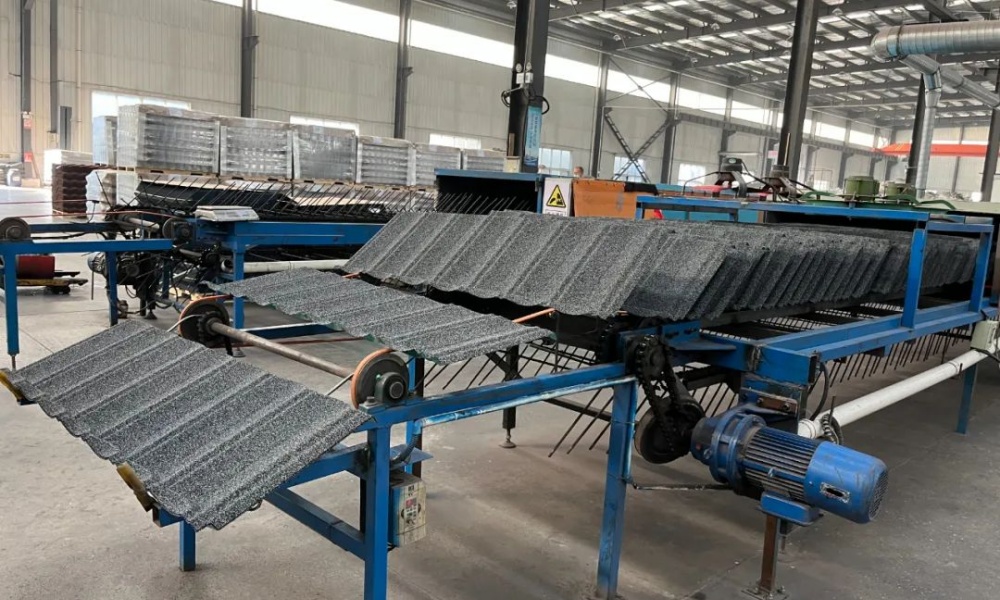
Operating as a source factory exporting stonecoated metal roofing to many highhumidity markets across Southeast Asia, coastal Africa and tropical island territories, FUODE ROOFING processes each tile starting with stable galvalume steel coil as substrate. Our production workflow focuses on consistent adhesive application and full curing cycles for stone granule layers, aiming to achieve a stable outer granular surface that discourages debris from lodging deep within tile surfaces. We also supply complete matched accessory sets including ridge tiles, flashings and valley components for every export order. Wellmatched accessories help avoid water pooling points at joints and transitions, reducing those vulnerable local zones where moisture and litter would otherwise gather. We frequently remind our overseas partners that material choice forms only one portion of the solution for humidclimate roofing. Reasonable roof slope design, trimming back overhanging tree branches above roof planes and arranging basic visual inspections after heavy storm seasons still make practical sense. Even with favorable roofing material performance, reasonable site management helps extend cleanlooking roof condition and reduces unnecessary cleaning frequency.
We often hear potential buyers ask whether stonecoated metal roofing completely eliminates roof cleaning work. We never make such absolute claims. In heavily polluted or heavily wooded humid locations, surface dust and fallen plant fragments will still land on any roof covering. What many project owners notice after years in the field is the difference in scale: without organic material within the tile itself, heavy widespread mold layers are less likely to form, and typical rainfall can carry away most loose surface deposits. This translates into fewer demanding deepcleaning cycles compared against several conventional roofing alternatives. For property managers overseeing multiple residential buildings or public facilities in perpetually damp districts, this shift in maintenance demand brings tangible practical benefits for longterm asset management.
When you start comparing roofing selections for highhumidity construction or renovation, it pays to look past surfacelevel sample appearances and think about realworld operating conditions your building will face year after year. Moldrelated roof troubles do not only affect visual appeal; they add recurring labor and material costs across decades of building ownership. Talking with builders and importers who already have field experience in similar humid regions can deliver helpful reference points before final purchasing decisions. If you are assessing stonecoated metal roofing for upcoming projects in rainy, coastal or tropical zones, you can reach FUODE ROOFING to request physical samples and full technical documentation. Examining physical tile samples alongside reviewing installation guidance will support you to make sourcing choices aligned with your local climate challenges.
— FUODE ROOFING —
Stone Coated Metal Roofing Source Factory | Shandong, China
www.fuode.com | Welcome factory visit & sample requests