Español
 العربية
 Francés
 Русский
 Português
 Deutsch
 日本語
日本語
 한국어
한국어
 Việt
Việt




Stone-Coated Metal Roofing Life-Cycle Cost Ranking
Stone-Coated Metal Roofing Life-Cycle Cost Ranking
When project owners, contractors and overseas importers evaluate roofing options, many still focus heavily on the initial purchase price, and that narrow perspective often creates unexpected financial pressure years after construction finishes. A lowcost material that demands early replacement, frequent repairs and recurring labor expenses can turn into one of the most expensive selections over decades of building operation. That explains why lifecycle cost analysis, also known as total cost of ownership, has grown into a core reference for international construction decisionmaking, calculating cumulative expenditure including material procurement, installation work, routine inspection, repair jobs, tearoff, waste disposal and periodic replacement across the expected service period of a roof. Every roofing material carries its own set of tradeoffs, and ranking them purely by one single metric rarely delivers objective conclusions, because local climate, building structure, expected holding period and installer competence will all shift realworld outcomes for any given project.
Asphalt shingles remain widely used across many regions thanks to their accessible upfront investment and broad market availability, yet their realistic service performance deserves careful attention. Under moderate environmental conditions, quality asphalt shingles can deliver 1525 years of service, but areas with intense ultraviolet radiation, heavy rainfall or frequent storms tend to shorten usable life significantly, bringing granule loss, curling and water penetration risks forward in time. Within a 50year project timeline, an asphaltbased roof system will usually require two or even three full replacement cycles, each round bringing material expenses, tearoff labor and wastehandling fees back onto the project budget. Annual maintenance work such as clearing debris, sealing gaps and checking for damaged sections also accumulates continuous minor spending yearbyyear, so even though the starting invoice looks approachable, the aggregated outlay across multiple decades climbs steadily. For stakeholders planning shortterm building occupancy, asphalt can fit project goals, yet for longterm assets, its cumulative lifecycle position slides downward when all recurring costs are counted in full.
Concrete roof tiles and clay tiles represent another wellestablished category appreciated for classic visual texture and decent longevity when properly supported by building frameworks. Premium clay tile products may achieve 60 years or longer service life under ideal circumstances, and concrete versions can reach 4050 years, but their substantial weight creates critical considerations that many firsttime buyers overlook. Existing structures originally engineered for lighter roofing systems often need additional structural reinforcement before tile installation can safely proceed, adding notable engineering and construction cost that sits outside basic tile material pricing. Transportation also brings extra pressure, as heavy tiles push up freight cost for overseas orders, and breakage risk during transit creates partialorder loss possibilities for importers. While maintenance frequency stays relatively low, cracked or chipped individual tiles still demand periodic repair work, and fullsystem replacement remains necessary when underlayment layers degrade even if outer tiles remain visually intact. These hidden associated costs mean clay and concrete tiles sit high on lifespan rankings, yet their overall lifecycle cost ranking moves down once structural upgrade and logistics burdens are fully calculated.
Standingseam bare metal roofing earns respect for long usable service duration and strong weather resistance, delivering reliable performance for 4570year timeframes for wellmanufactured units, yet it carries its own practical drawbacks for realworld projects. Higher skilledlabor requirements push installation cost upward, and exposed metal surfaces create sharp indoor temperature swings without supplementary insulation arrangements. Ongoing attention to fastener condition and sealant joints stays necessary, and noise levels during heavy rain events become a meaningful comfort factor for occupied buildings. Many project managers appreciate its durability profile, but the complete financial picture balances high initial installed expense against very extended replacement intervals.
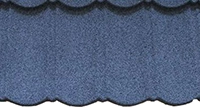
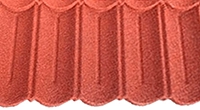
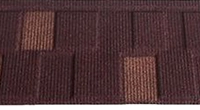
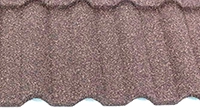
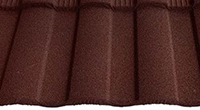
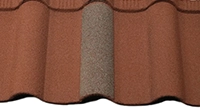
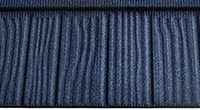
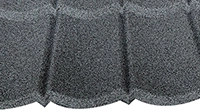
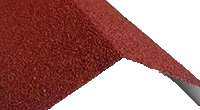
Stonecoated metal roofing sits in the middle ground between economygrade shortlife products and ultraheavy traditional tile systems, combining steelsubstrate structural strength with mineral stone granular surface finishing, and this composite nature shapes its unique lifecycle performance positionFuode Meta.... Quality stonecoated metal tiles manufactured with proper galvalume base material can deliver 4060year service expectations, without the heavy deadload that concrete and clay tiles impose on building frames, which removes the requirement for costly structural reinforcement for most renovation and newbuild jobs. Its unit weight stays far lower than traditional tile alternatives, translating into lower containerbased shipping expense for overseas buyers and less breakage risk across ocean transit and site handling, points that sourcefactory clients from Africa, Southeast Asia and Latin America frequently highlight during project discussion. Maintenance stays limited to basic visual inspections after extreme weather events; widespread recoating or frequent component swapping is generally not required for properlyproduced and correctlyinstalled stonecoated metal roofing systems. Still, buyers should understand clearly that product quality variance across global suppliers creates wide performance gaps, and lowgrade stonecoated metal roofing made with thin substrate or inferior adhesive will suffer granule shedding and early corrosion, which will drag its realworld lifecycle result down close to entrylevel asphalt products. That reality underscores why verifying factory production standards matters as much as comparing perunit material price on quotation sheets.
When we line up these major roofing categories by comprehensive lifecycle cost rather than initial purchase price, the ranking shifts noticeably from the simple upfrontcost ordering. Slate and premium clay tile land high on lifespan charts yet their structuralupgrade and logistics burdens lift total ownership cost. Highquality stonecoated metal roofing from reliable manufacturers often achieves competitive middletoupper ranking in totalcostofownership comparisons over multidecade horizons, striking balance between servicelife length, structuralloading requirement, maintenance frequency and freight burden. Asphalt shingles hold top rank for lowest immediate spend but fall in lifecycle ranking for longhold projects because of repeated replacement cycles. It is important to emphasize there exists no universal numberone material for every situation; a correct ranking always ties back to your specific project climate, building structure, planned ownership period and available budget envelope. A material that performs best for a shortterm temporary building will not automatically deliver best value for a multigeneration residential villa or longlife public facility.
Working as a source factory exporting stonecoated metal roofing worldwide, FUODE ROOFING regularly speaks with importers, builders and property owners who once only compared persquaremeter material price before receiving unpleasant surprises from hidden projectrelated expenses. Many overseas partners share feedback that they used to underestimate how structural reinforcement, repeated roof tearoff and reinstallation, plus high breakage rates for heavy tiles eat into project profit margins. Our production team focuses on galvalumesteel substrate quality, stonegranule bonding procedure and consistent coating curing process, factors that directly influence longterm field performance, and we provide matching accessory sets together with installation reference materials for every export order, helping reduce avoidable siterelated problems that could shorten roof service life. We do not claim stonecoated metal roofing suits every single project scenario, but we encourage every potential buyer to run simple lifecycle math before confirming purchasing decisions: calculate expected years of building use, count probable replacement cycles, add estimated maintenance and structuralmodification cost, and then compare fullperiod expenditure instead of only reviewing firstinvoice figures.
Too many roofing purchasing decisions get finalized under tight project timelines, where stakeholders only evaluate immediate outlay. Taking time to think through lifecycle cost gives you much clearer visibility on real value delivered by each roofing candidate. Whether you are handling residential villa renovation, lightsteel frame housing development or midscale commercial construction, understanding where each roofing material ranks in totalownership terms helps you avoid costly longterm mistakes. If you are evaluating stonecoated metal roofing for your upcoming projects, you may reach out to FUODE ROOFING for sample requests and detailed product documentation, so you can combine realmaterial inspection with your own lifecycle calculation work before making final sourcing choices.

— FUODE ROOFING —
Stone Coated Metal Roofing Source Factory | Shandong, China
www.fuode.com | Welcome factory visit & sample requests