Español
 العربية
 Francés
 Русский
 Português
 Deutsch
 日本語
日本語
 한국어
한국어
 Việt
Việt




From Freezing Cold to Equatorial Heat: How Stone Coated Metal Roof Tiles Handle Extreme Climates
From Freezing Cold to Equatorial Heat: How Stone Coated Metal Roof Tiles Handle Extreme Climates
A roof in northern Europe, northern China or Central Asia may spend months dealing with freezing temperatures, snow and repeated freeze-thaw cycles. Move the same type of building closer to the equator and the roof faces a completely different environment: strong sunlight, high humidity, heavy rainfall and high roof-surface temperatures. At first glance, it may seem that a roofing material designed for one climate should not be suitable for the other. In practice, the answer is a little more interesting.
The same stone coated metal roof tile profile can be used in different climate regions, but the complete roofing system should not simply be copied from one project to another. Steel specification, roof structure, slope, ventilation, fasteners, flashing, drainage and installation details all need to be considered according to the local conditions. This is also why an experienced stone coated metal roof tile manufacturer does more than produce a tile that looks good in a sample. The factory needs to understand how the material will be used after it leaves the production line.
At FUODE ROOFING, we work with customers in different countries and climate zones, so this is a question that comes up regularly: Will the same stone coated roofing tile work in a very cold market and a very hot market? The useful way to answer that question is not simply to say yes or no. It is to look at what the roof actually experiences in each environment and understand which parts of the product and installation need attention.
The Roof Does Not Experience Temperature Alone
When buyers talk about “extreme temperature,” they usually mean the difference between a very cold winter and a very hot summer. For roofing, however, temperature is only one part of the story.
A cold-climate roof may experience:
· Freezing temperatures and repeated freeze-thaw cycles
· Snow accumulation and melting
· Winter wind and precipitation
· Water collecting around valleys, eaves and gutters
· Large seasonal changes in temperature
A hot or tropical roof may experience:
· Strong and prolonged sunlight
· High roof-surface temperatures
· Heavy rainfall
· High humidity
· Condensation and moisture
· Salt-laden air in coastal locations
So when someone asks whether stone coated metal roofing can handle different climates, the more useful question is: Has the roofing system been specified and installed according to the environment where it will be used?
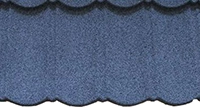
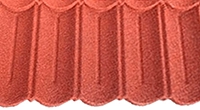
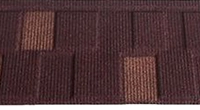
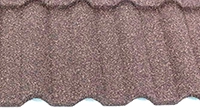
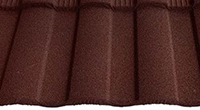
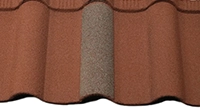
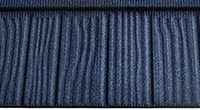
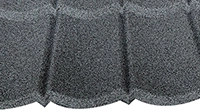
The metal substrate is one part of that equation. FUODE produces stone coated metal roofing tiles in-house from galvalume steel coils, adhesive and colored stone granules, and the company's product range includes profiles such as Bond, Classic, Shingle and Milano. The company also provides OEM/ODM options covering areas such as profile, dimensions, color and branding for suitable orders.
This factory-side control is important because climate requirements can affect the specification a buyer needs. A distributor supplying a cold region may be asking questions about structural loading and installation details, while a customer in a tropical market may be more concerned about humidity, rainfall and the corrosion environment.
The roof tile itself does not make those decisions. The project does.
Why the Steel Substrate Matters in Different Regions
A stone coated tile starts with a metal substrate, so the quality and specification of that substrate matter long before the stone granules are applied.
FUODE uses galvalume steel as the substrate for its stone coated metal roofing products. The company's manufacturing information describes a production process that begins with steel coil and continues through forming, stone coating and curing.
For an overseas buyer, this is one of the first things worth checking when comparing suppliers. Two tiles can look almost identical in photographs while having different substrate specifications.
That does not mean there is one steel thickness that should be used everywhere. In fact, that approach would be too simple.
A roofing project in a region with significant snow or wind loads may require a different structural specification from a small residential project in a tropical area. Similarly, a coastal project may require closer attention to the corrosion environment and the compatibility of fasteners and accessories.
This is why a professional quotation should ideally start with some basic project information:
Where will the roof be installed? What is the building type? What is the roof slope? What are the local wind, rainfall or snow conditions? Are there coastal or high-humidity conditions? What local building requirements apply?
These questions may sound basic, but they help prevent a common purchasing mistake: choosing a tile based only on appearance and price before confirming whether the specification fits the project.

What Happens in a Hot Climate?
For a roof near the equator, sunlight becomes an important part of the discussion.
A roof exposed to strong sunlight can become significantly hotter than the surrounding air. The U.S. Department of Energy explains that solar reflectance and thermal emittance are two key surface properties affecting roof temperature. Roof color and surface characteristics therefore matter, although the final thermal performance also depends on insulation, ventilation, building design and the wider roof assembly.
This is one reason it is better to avoid saying that a particular stone coated metal roof tile automatically makes a building “cool.” The actual result depends on the complete roof.
For a hot or tropical project, buyers should consider several elements together:
· Tile color and surface characteristics
· Roof ventilation
· Insulation below the roof
· Roof slope and drainage
· Underlayment
· Flashing around openings and roof junctions
· Local humidity and rainfall conditions
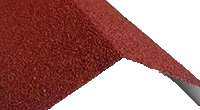
The stone-coated surface gives the tile a textured finish rather than the appearance of a smooth bare metal sheet, but surface appearance should not be confused with a complete thermal-performance specification.
For international projects, FUODE can provide different color options and customized color solutions for suitable OEM orders. The company states that its color palette is based on in-house stone sand production, while actual color selection should be confirmed using physical samples because screen displays can differ from the finished product.
That last point is something we always recommend to buyers: look at the physical sample before confirming a large color order. It is a small step, but it can prevent a surprisingly large amount of communication later.
What Changes in a Cold Climate?
Move the same roofing concept into a northern climate and the priorities change.
The main concern is not simply whether the tile can sit outside in freezing weather. The roof needs to manage snow, melting water and drainage as a complete system.
This becomes particularly important around valleys.
A valley receives water from two roof planes, so it is naturally one of the areas where drainage details deserve careful attention. If snow melts and water begins moving down the roof, the valley, flashing, tile overlap and lower drainage path all need to work together.
The same principle applies around ridges, eaves, roof penetrations and wall connections.
FUODE's installation resources cover practical details such as material receiving, tile stacking, batten layout, tile overlap, fastener positioning, ridge caps, gable edges, flashing and common roof junctions including valleys and eaves. The company also notes that these materials are references rather than replacements for local engineering design and building requirements.
That distinction matters.
A factory can provide the roofing material and technical references, but local roof design still needs to account for the actual building, local climate, structural loads and applicable codes.
Temperature Changes Also Affect the Way a Roof Is Installed
There is another part of the discussion that is easy to overlook: temperature changes can cause materials to move.
Metal roofing materials respond to changes in temperature. A roof exposed to strong daytime sunlight and cooler nighttime temperatures will experience repeated changes, while seasonal movement can be more pronounced in regions with large differences between summer and winter.
This is one reason installation should not be treated as an afterthought.
Tile overlap, fixing points, battens, flashing, ridge components and roof edges all form part of the finished system. The exact installation method should follow the requirements of the specific tile profile and local construction conditions.
The modular nature of stone coated metal roof tiles can also be useful on roofs with more complicated geometry. FUODE's technical material explains that individual tiles can be carefully trimmed and gently bent for areas such as valleys, dormers, vents and other roof shapes, provided suitable tools and methods are used. For the Bond and Classic profiles discussed in that article, FUODE specifies a 0.55 mm galvalume steel substrate.
Notice the important detail here: that 0.55 mm specification relates to the Bond and Classic products discussed in that particular FUODE article. It should not automatically be treated as a specification for every stone coated roofing product.
This is exactly the kind of detail buyers should expect from a factory—clear product-specific information rather than one general specification applied to everything.
One Profile, Different Climate Requirements
So, how can one stone coated metal roof tile be used from a freezing northern region to a tropical market?
The answer is that the product profile can remain the same while the project requirements around it may change.
For example:
Climate | Points to Consider |
Cold and snowy | Snow load, wind load, drainage, flashing, fixing and roof structure |
Hot and sunny | Solar exposure, color, ventilation and insulation |
Tropical and humid | Rainfall, humidity, condensation and corrosion environment |
Coastal | Salt exposure, substrate specification and compatible fasteners |
High-rainfall areas | Roof slope, valleys, flashing, gutters and drainage |
Mixed climates | Seasonal temperature changes, moisture and thermal movement |
This is why international buyers should be careful with phrases such as “one specification for every country.” Real construction projects are rarely that simple.
A good stone coated roofing tiles factory should be able to discuss the actual application with the customer and explain which information is needed before production.
At FUODE ROOFING, the production side and export side work together, allowing customers to discuss product profiles, substrate specifications, colors, OEM requirements and related project details directly with the supplier. FUODE's website currently states that the company has more than ten years of experience in metal building materials, annual production capacity of more than 5 million square metres, a factory area exceeding 80,000 square metres and exports to more than 30 countries.
For us, these figures are background information. What matters more during an actual order is whether the product specification is clear, whether the approved sample matches the production requirement, and whether the communication between the buyer, factory and installer stays consistent.
What Should an International Buyer Ask Before Ordering?
If you are importing stone coated steel roof tiles for a new market, a few practical questions are worth asking before placing a bulk order:
· What steel substrate and thickness are being quoted?
· What coating specification applies to the product?
· What is the effective coverage of each tile?
· What roof slope is recommended for the specific profile?
· How should the valley, ridge, eave and gable areas be finished?
· Which fasteners and accessories are recommended?
· Is the project located in a coastal or particularly humid environment?
· Does the local market have specific structural or building requirements?
· Can the factory provide a physical sample before mass production?
· If OEM is required, can the approved color, profile and packaging specifications be documented before production?
These questions are useful whether you are buying one container or developing a long-term product line for your market.
A factory should not expect an overseas buyer to know every technical detail in advance. At the same time, the buyer should provide enough project information for the manufacturer to make a meaningful recommendation.
That two-way communication is where a source-factory relationship becomes practical.
From Freezing Winter to Equatorial Heat, Start With the Project
The idea behind this article is actually quite simple: the same stone coated metal roof tile profile can serve different markets, but the roofing system should always be considered in the context of the local climate.
Northern cold, tropical heat, heavy rain, high humidity and coastal exposure create different challenges. The solution is not to make exaggerated promises about one roofing material. It is to start with the steel substrate, surface coating and tile profile, then look at the roof structure, drainage, ventilation, fasteners, flashing and installation details as one system.
That is also how we approach overseas inquiries at FUODE ROOFING.
If you are a distributor, contractor, builder or roofing-material importer, tell us where the project is located, what type of building you are working on and what product profile you are considering. From there, the appropriate material specification, color, profile, packaging and OEM requirements can be discussed based on the actual project.
A roof in a freezing northern town and a roof under equatorial sunlight may look very different from the outside. But the basic purchasing principle is the same: understand the climate, confirm the specification, check the physical sample, and make sure the factory and installation team are working from the same information.
That is a much more practical way to evaluate stone coated metal roofing—and it is the approach we believe makes sense when supplying roofing materials to different markets around the world.

— FUODE ROOFING —
Stone Coated Metal Roofing Source Factory | Shandong, China
www.fuode.com | Welcome factory visit & sample requests