Español
 العربية
 Francés
 Русский
 Português
 Deutsch
 日本語
日本語
 한국어
한국어
 Việt
Việt




Why Stone Coated Metal Roofing Is Replacing Asbestos Sheets and Corrugated Iron Sheets
Why Stone Coated Metal Roofing Is Replacing Asbestos Sheets and Corrugated Iron Sheets
For many years, asbestos cement sheets and corrugated iron sheets have been familiar roofing materials for homes, workshops, warehouses and agricultural buildings. They were widely used because they were practical, relatively straightforward to install and suitable for many basic building needs. But roofing requirements have changed. Today, property owners, contractors and building material distributors are paying more attention to appearance, long-term maintenance, installation requirements and the overall suitability of roofing materials for different projects.
This is one reason stone coated metal roofing is attracting attention in roof renovation and new construction. It combines a metal substrate with a stone-coated surface, offering a different balance of appearance, weight and installation characteristics compared with traditional sheet roofing. It is not a universal replacement for every roof, and the right choice still depends on the building structure, local climate, budget and applicable regulations. However, for projects seeking an alternative to older asbestos cement or corrugated iron roofing, stone coated metal roof tiles are worth considering.
At FUODE ROOFING, we manufacture stone coated metal roofing tiles for international markets. Through our work with roofing materials, we understand that buyers are not simply choosing a product based on its appearance. They also need to consider specifications, installation details, supply consistency and whether the material is suitable for the intended project.
1. Why Are Building Owners Reconsidering Traditional Roofing Sheets?
Traditional roofing materials have served many buildings for decades, but their limitations can become more noticeable as a roof ages or a property is renovated. Corrugated iron sheets, often made from galvanized or coated steel, are valued for their simple profile and practical coverage. Depending on the specification and environment, however, they may experience corrosion, coating deterioration, surface discoloration or noise during heavy rain. The actual condition varies with the sheet thickness, protective coating, installation quality and exposure to moisture or coastal conditions.
Asbestos cement roofing raises a different set of concerns. Some older roofing sheets contain asbestos, while other cement sheets do not; appearance alone is not a reliable way to determine whether asbestos is present. When asbestos-containing materials are disturbed, cut or broken, fibres may be released. The US Environmental Protection Agency and other public health authorities advise that suspected asbestos-containing materials should be assessed and handled according to applicable local requirements rather than removed as ordinary construction waste. For building owners planning renovation, this makes the condition and composition of the existing roof an important first consideration.
The decision to change roofing materials is therefore not only about replacing an old surface with a newer one. It is also an opportunity to reassess the roof system: the supporting structure, drainage, insulation, ventilation, waterproofing details and the appearance expected for the building. A new roofing material should be selected as part of that wider assessment, rather than as a standalone product choice.
2. What Makes Stone Coated Metal Roofing Different?
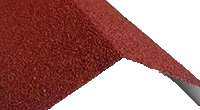
Stone coated metal roof tiles typically use a coated steel substrate shaped into a roofing profile. A bonding layer holds colored stone granules on the surface, with a protective finish applied as part of the product system. The combination gives the material a textured appearance that differs from the smooth surface of many conventional metal sheets.
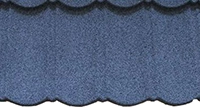
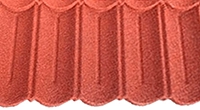
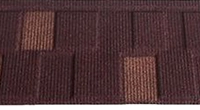
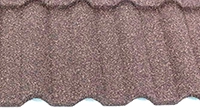
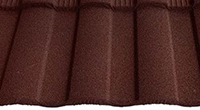
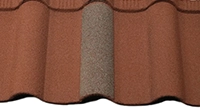
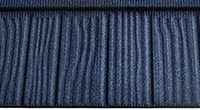
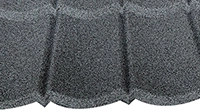
The profile also changes the visual effect of the roof. Instead of the long, continuous lines commonly associated with corrugated sheets, stone coated metal roofing is formed into tile-like patterns. Depending on the selected design, it can create a look closer to traditional roof tiles while retaining a metal base. FUODE’s product range includes profiles such as Bond, Classic, Shingle and Milano, with options for different project and market preferences.
For property owners, the difference is often visible from the street. For contractors and importers, the key questions are more technical: what is the steel substrate and thickness, how is the surface coating specified, what is the effective coverage per tile, and which accessories and installation details are required? These details should be confirmed against the product specification and the conditions of the project.
3. Comparing Stone Coated Metal Roofing with Traditional Sheets
The comparison below is a general guide. Actual performance depends on the product grade, building design, installation and local environment.
Appearance: Corrugated iron sheets usually have a simple, linear profile. Stone coated metal roof tiles offer tile-style profiles and a textured surface, which may suit projects where the roof is a more visible part of the building’s design.
Weight and structure: Stone coated metal roofing is generally a lightweight roofing option compared with many traditional heavy tile systems. However, the complete roof load includes the substrate, battens, underlayment and other components. The building structure should be checked before replacement.
Weather exposure: Both coated metal sheets and stone coated metal roofing rely on suitable substrate specifications, protective finishes, detailing and maintenance. No roofing material should be assumed to suit every climate without checking the relevant technical data.
Installation: Stone coated metal roof tiles use specific overlaps, fasteners and accessories. Installers need to follow the instructions for the chosen profile and account for roof slope, valleys, ridges, eaves and penetrations.
Renovation considerations: Replacing an old roof may involve structural work, drainage improvements, insulation or underlayment changes. If the existing sheets may contain asbestos, inspection and regulated handling should be addressed before work begins.
This comparison is intended to help buyers ask better questions, not to suggest that one material is automatically suitable for every building. A warehouse with a simple roof design may have different priorities from a residential renovation where appearance and architectural details matter more.
4. Why Are More Projects Considering Stone Coated Metal Roof Tiles?
A tile-style appearance with a metal base
One reason buyers consider stone coated metal roofing is its combination of a metal substrate and a textured, tile-like finish. It can provide a more traditional or decorative roof appearance than plain corrugated sheets, while offering a range of profiles and colors for different building styles. For distributors, this variety can also help serve customers with different preferences without relying on a single roof profile.
Color selection should be made carefully. Screen images may not show the exact shade or texture of the finished product, and lighting conditions can affect how a roof appears. For larger orders, buyers should review physical samples and confirm the selected color and profile before production.
A lightweight option for suitable roof structures
Weight is another consideration during roof renovation. Stone coated metal roofing uses a steel substrate and is generally lighter than many conventional clay or concrete tile systems. This can be useful where reducing roof dead load is part of the project plan. However, it does not mean that every existing structure can be reused without assessment. The roof framing, battens, fasteners, wind exposure and local building requirements all need to be considered.
For a replacement project, contractors should compare the full roofing system rather than the tile weight alone. Underlayment, supporting members, ventilation, insulation and drainage components can all affect the final design and cost.
A surface designed for outdoor use
Stone coated metal roof tiles combine a coated metal base with a stone-granule finish. The performance of the finished product depends on the steel specification, metallic coating, bonding materials, granule quality, manufacturing controls and installation. In practice, buyers should request the technical specification and warranty terms for the particular product they intend to purchase, rather than relying on general claims about the entire product category.
The roof’s environment matters too. Coastal areas, high-humidity regions, locations with heavy rainfall and areas exposed to strong winds may require different material specifications and installation details. A suitable product should be selected according to the project conditions.
Installation planned around the roof design
Stone coated metal roofing is installed using profile-specific overlaps, fasteners and accessories. Roof features such as valleys, ridges, eaves, hips, chimneys and ventilation openings need to be planned before installation. Correct detailing helps manage water flow and supports the integrity of the overall roof system. FUODE’s installation resources also emphasize the importance of roof junctions and project-specific details, while noting that local codes and site conditions must guide the final design.
5. What Should Buyers Check Before Replacing an Old Roof?
Choosing a new roofing material is only one part of a successful renovation. Before placing an order, building owners, contractors and importers should review several practical points:
Identify the existing roof material. If older cement sheets may contain asbestos, arrange an appropriate assessment and follow local rules for inspection, removal, transport and disposal. Do not cut, drill or break suspected asbestos-containing sheets as part of an ordinary renovation.
Check the roof structure. Confirm that the supporting frame, battens and fixing points are suitable for the proposed roofing system. Existing structures may need repairs or adjustments.
Confirm the product specification. Ask for the steel substrate, thickness, coating details, tile dimensions, effective coverage, weight and relevant test or conformity documents.
Review the installation requirements. Confirm the required roof slope, overlap direction, fastener type, underlayment and accessories for the selected profile.
Compare the complete project cost. Consider material, supporting structure, installation labor, transport, waste, maintenance and any regulated removal or disposal work. A lower initial material price does not necessarily mean a lower overall project cost.
Request and approve samples. Check the profile, color, surface texture and packaging before committing to a larger order. For customized orders, confirm the approved specifications in writing.
These checks help avoid a common procurement problem: comparing two roofing quotations as if they cover identical products when the substrate, thickness, effective coverage, accessories or quality requirements may differ.
6. Is Stone Coated Metal Roofing Suitable for Every Replacement Project?
Not necessarily. A simple corrugated sheet roof may remain appropriate for some utility buildings, depending on its condition, use and local requirements. Likewise, a roof that contains asbestos should not be treated as a routine sheet replacement. The correct approach is to assess the existing material and building first, then compare suitable alternatives.
Stone coated metal roof tiles may be considered when the project calls for a tile-style appearance, a metal-based roofing system and a choice of profiles or colors. They may also be relevant for distributors and contractors who serve residential, commercial or renovation markets. But suitability depends on the roof structure, slope, climate, installation capability, budget and local building regulations.
It is also important to distinguish between the roofing tile and the complete roofing system. A well-specified tile cannot compensate for poorly designed drainage, unsuitable fasteners, inadequate flashing or incorrect installation. Buyers should discuss the full system with their contractor or technical supplier before making a final decision.
7. Choosing a Manufacturer: Why Production Details Matter
For international buyers, the supplier’s ability to explain and confirm product specifications is an important part of procurement. A manufacturer should be able to clarify the available profiles, substrate options, colors, dimensions, packaging and customization requirements. Clear communication before production can help reduce misunderstandings between the buyer, supplier and installation team.
FUODE ROOFING manufactures stone coated metal roofing tiles using galvalume steel coils, adhesive and colored stone granules. The company’s website describes in-house production, factory-direct supply and OEM/ODM options such as logo imprinting, profile and size adjustments, and color formulation. Its product range includes Bond, Classic, Shingle and Milano profiles.
For buyers evaluating a potential supplier, we recommend confirming a few points directly:
Which profile and substrate specification match the intended project?
Can the factory provide samples for review before a bulk order?
What inspection and documentation can be provided for the selected product?
Which customization options are available for the required order quantity?
What are the packaging, lead-time and shipping arrangements?
These are straightforward questions, but they help establish a clear reference for quotation, production and delivery. For a distributor developing a product range, consistency between the approved sample and the supplied batch is especially important.
A Practical Alternative for Changing Roofing Needs
The shift from traditional asbestos cement or corrugated iron roofing to stone coated metal roofing is not simply a change in fashion. It reflects the different priorities of modern building projects: appearance, material selection, roof-system design, maintenance planning and the need for clear product specifications. Stone coated metal roof tiles offer a tile-style finish on a metal base, with different profiles and colors available for projects that suit this type of roofing system.
Still, no roofing material is right for every building. The existing roof, local regulations, structural condition, weather exposure and installation method should all be considered before a replacement decision is made. Where asbestos may be present, safe assessment and compliant handling must come before the installation of any new roof.
At FUODE ROOFING, we believe a reliable roofing purchase begins with clear communication: understanding the project, confirming the material specification, reviewing samples and agreeing on the details before production. As a source factory serving international markets, we work with buyers to discuss profiles, colors and suitable OEM/ODM requirements for their orders.
If you are planning a roof replacement or sourcing stone coated metal roof tiles for your market, you are welcome to contact FUODE ROOFING to discuss your project requirements.

— FUODE ROOFING —
Stone Coated Metal Roofing Source Factory | Shandong, China
www.fuode.com | Welcome factory visit & sample requests