Español
 العربية
 Francés
 Русский
 Português
 Deutsch
 日本語
日本語
 한국어
한국어
 Việt
Việt
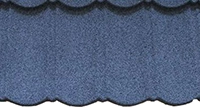
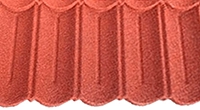

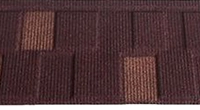
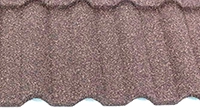

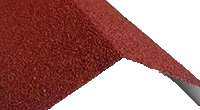



Our Confidence Comes from Three Quality Checks: Every Stone Coated Roof Tile Is Covered Before Leaving the Factory
Our Confidence Comes from Three Quality Checks: Every Stone Coated Roof Tile Is Covered Before Leaving the Factory
When customers buy stone coated metal roof tiles, they usually see the finished product first: the color, the stone granules, the profile and the overall appearance. But for a factory, the real work behind a reliable product starts long before the tiles are packed. The steel substrate, coating materials, forming process, granule adhesion and finished dimensions all influence the quality of the final tile. A good-looking sample is important, but buyers also want confidence that the production order will follow the agreed specifications.
At FUODE ROOFING, we understand that overseas buyers cannot always visit the factory or inspect every stage of production themselves. That is why a clear quality control process matters. Our approach covers three key stages: checking materials and production requirements before manufacturing, monitoring quality during production, and inspecting finished products before shipment. These checks help us identify potential inconsistencies earlier and give customers a clearer basis for evaluating their orders. They are part of our quality management approach, not a promise that every tile undergoes an individual laboratory test.
For a roofing product that will be installed outdoors and exposed to changing weather, quality should not be judged by appearance alone. The details that matter most are often the ones customers cannot easily see in a product photograph. This article explains how the three-stage inspection approach works, what buyers can look for, and why we believe transparent quality control is an important part of factory-direct supply.
Why Quality Inspection Matters for Stone Coated Metal Roof Tiles
Stone coated metal roofing is a layered product. It generally combines a metal substrate, protective coatings, an adhesive layer and colored stone granules. Each part has a role in the finished tile, and variation in materials or manufacturing conditions can affect the product’s appearance, dimensions and surface condition. For this reason, quality control needs to consider the product as a whole rather than focusing on just one feature.
For importers, distributors and contractors, inconsistent tiles can create practical difficulties after delivery. Differences in color or profile may become visible across a large roof, while dimensional variation can complicate layout and installation. Surface damage or weak granule bonding may also raise questions that need to be resolved before the materials are used. A structured inspection process helps establish clear checkpoints and provides a reference for discussing any issue that arises.
At FUODE ROOFING, our published manufacturing information describes quality checks across the production process, including pre-production approval, in-process inspection and pre-shipment inspection for customized export orders. The exact inspection items depend on the product specification and order requirements. This is especially relevant for OEM/ODM orders, where the approved sample and agreed technical details serve as the reference for production.
The First Check: Materials and Production Requirements
The first quality checkpoint begins before series production. A finished tile can only meet its intended specification when the raw materials and production requirements are clearly defined. For stone coated metal roof tiles, this means confirming the substrate, coating materials, granule color, profile, dimensions and other order-specific details before manufacturing proceeds.
Checking the materials
The metal substrate is a key component of a stone coated metal roof tile. Buyers should confirm the specified material type and thickness rather than relying on appearance or touch alone. Coating and surface materials also deserve attention, as the finished tile depends on the compatibility of the metal base, bonding layer and stone granules.
For customized orders, color and texture need particular care. A digital image may be useful for initial selection, but it cannot always represent the exact appearance of the finished surface. Reviewing a physical sample and confirming the selected color reference helps both the buyer and manufacturer work from the same expectation. Where the order involves a custom profile, size or brand marking, those details should also be reviewed before production.
Confirming the approved sample
An approved pre-production sample provides a practical reference for the order. It allows the buyer to check the profile, surface appearance, color and key dimensions before larger quantities are manufactured. For OEM/ODM orders, this step can be especially useful because the final product may differ from a standard catalogue item.
At FUODE ROOFING, our published OEM process describes pre-production sample approval as a quality reference for customized orders. This helps reduce misunderstandings about what has been ordered and what the production team is expected to manufacture. The approved sample should be retained and compared with the production batch during subsequent inspection.
The Second Check: Quality Monitoring During Production
Once production begins, quality control moves from preparation to process monitoring. This stage matters because a product may start with suitable materials and an approved sample, yet still develop inconsistencies if forming, coating or curing conditions are not properly controlled. Regular checks during manufacturing provide opportunities to identify deviations while production is underway, rather than waiting until the order is complete.
Forming accuracy and tile dimensions
Stone coated metal roof tiles are shaped into specific profiles, and the dimensions need to remain consistent with the agreed product specification. During production, inspectors can check representative pieces for profile shape, length, width and forming condition using suitable measuring tools. These checks help identify visible deformation or dimensional variation that may affect the way tiles fit together during installation.
For buyers, the practical point is that nominal size and effective coverage are not always the same. Overlaps between tiles affect how much roof area each piece covers, so the installation plan should use the effective coverage stated for the particular product. When ordering a large quantity, confirming these details in advance can help contractors estimate material requirements and plan the roof layout.
Surface coating and stone granule distribution
The stone-coated surface is one of the most recognizable features of these roofing tiles. During production, visual checks can assess whether the stone granules are distributed evenly and whether the surface shows obvious gaps, irregular patches or other visible defects. Color consistency is also important, especially for projects where large roof areas will be installed together.
Granule adhesion is another key inspection item. The adhesive system and curing process influence how firmly the granules remain attached to the metal substrate. FUODE’s published manufacturing information describes in-process checks that include coating adhesion, color comparison and granule distribution assessment. The specific method and sampling frequency should follow the product specification and internal inspection procedure.
A practical inspection does not mean expecting absolutely no loose particles under every circumstance. Handling and transport may create some surface dust or loose granules. The focus is on identifying unusual shedding, visibly weak areas or coating conditions that do not match the approved reference. Where a project requires formal performance verification, buyers can discuss appropriate testing methods and documentation with the manufacturer or an independent inspection agency.
Keeping production consistent
The purpose of in-process inspection is not only to identify defects. It is also to help maintain consistency across a production run. If a deviation is found, the production and quality teams can review the relevant process and determine whether adjustment or further checking is required. This is particularly important for orders involving multiple colors, profiles or customized specifications, where clear identification and separation of products can help prevent mix-ups.
For international orders, it is useful to keep the approved sample, product specification and order details aligned. When the buyer and factory share the same reference, questions about color, dimensions or surface condition can be discussed more clearly. This does not eliminate every production risk, but it creates a more traceable basis for inspection and communication.
The Third Check: Finished Product and Pre-Shipment Inspection
The third checkpoint takes place when the tiles are finished and the order is being prepared for dispatch. At this stage, inspection focuses on the completed product and its readiness for shipment. The finished tiles can be compared with the approved sample and order specifications, while packaging, quantity and labeling are also reviewed.
Checking finished tile appearance and condition
Finished product inspection may include a visual review of the surface, color, profile, edges and corners. Inspectors can look for obvious scratches, deformation, damaged coating, irregular granule distribution or other visible conditions that do not match the agreed requirements. Representative measurements can also be taken to verify dimensions and forming accuracy.
The approved sample is particularly useful at this point. Instead of relying on memory or a product photograph, the inspection team has a physical reference for comparing the production batch. For customized products, the sample and confirmed specification can help verify that the finished tiles reflect the buyer’s approved requirements.
Verifying quantity, packaging and labels
Quality is not limited to the tile surface. An order also needs to be correctly counted, sorted, labeled and packed. For mixed-color or mixed-profile orders, clear identification helps reduce the risk of products being confused during warehouse handling or loading. Packaging should be reviewed for its suitability for the planned transport method, with attention to protection against handling damage and moisture exposure.
FUODE’s published quality information describes pre-shipment checks covering quantity accuracy, packaging integrity, labeling and visual product quality against the approved sample. It also states that customers may arrange third-party inspection before shipment. Buyers with specific inspection requirements should confirm the scope, sampling plan, acceptance criteria and timing before production is completed, so the inspection can be coordinated with the shipping schedule.
What Buyers Can Do to Make Quality Control More Effective
Factory inspection is one part of quality assurance, but buyers also play an important role. The clearer the order requirements are before production, the easier it is to check whether the finished goods match what was agreed. This is particularly true for overseas projects, where the tiles may travel a long distance before installation and returning or replacing materials can involve additional time and cost.
Before confirming an order, we recommend that customers discuss the product specification, request a sample where appropriate, and confirm the key details in writing. These may include the steel substrate and thickness, tile profile, dimensions, color, effective coverage, packaging and any required documentation. For projects with special technical or regulatory requirements, those should be shared with the supplier early so the product and inspection arrangements can be reviewed before production.
For larger orders, buyers may also consider appointing an independent inspection company. Third-party inspection can provide an additional review of the goods against agreed criteria, but it should be planned in advance. The inspection scope needs to be clear: a visual inspection, dimensional checks, packaging verification and laboratory testing are different activities, and not every order requires the same combination. If particular standards or test reports are needed for the destination market, buyers should confirm the applicable requirements with their project team or local authorities.
A transparent quality process works best when both sides understand what is being checked and how results will be recorded. At FUODE ROOFING, we welcome customers to discuss their product requirements, sample approval and inspection expectations before an order is finalized. For customized orders, our published process includes a pre-production approval sample, in-process checks and pre-shipment inspection.
Quality Control Is More Than a Final Inspection
A roofing tile may look fine when it is taken out of a carton, but buyers need to understand the specifications and manufacturing controls behind the product as well. Raw material checks help establish a suitable starting point. Production monitoring helps identify variation while manufacturing is underway. Finished product and pre-shipment inspection provide a final opportunity to verify the order before it leaves the factory.
These three stages serve different purposes, and none should be treated as a substitute for the others. A pre-production sample cannot by itself confirm the consistency of an entire batch. An in-process check does not replace final verification. A pre-shipment inspection, meanwhile, can only assess the goods within its agreed scope and sampling plan. Together, these checkpoints provide a more structured approach to quality management and give buyers clearer information when evaluating a supplier.
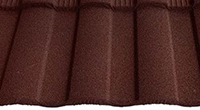
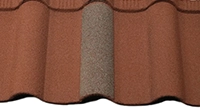
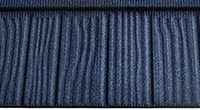
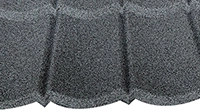
For FUODE ROOFING, quality communication begins with understanding what the customer actually needs. A distributor sourcing standard profiles may have different priorities from a contractor ordering tiles for a specific roof design or a brand owner developing customized products. Our range includes Bond, Classic, Shingle and Milano profiles, with OEM/ODM options available for suitable orders. The selected product details and inspection requirements should always be confirmed for the individual project.
Building Customer Confidence, One Order at a Time
We know that trust in international trade is built through more than a product description. Buyers want to know what they are purchasing, how the product is checked, whether the specifications are clear and who they can contact when questions arise. A documented inspection process, an approved sample and clear order communication can help make those expectations easier to manage.
As a stone coated metal roofing manufacturer, FUODE ROOFING focuses on production, product specifications and factory-direct communication with international customers. We encourage buyers to review samples, discuss their project requirements and confirm inspection arrangements before placing a bulk order. This gives both the customer and the factory a shared reference throughout production and shipment.
Our confidence comes from paying attention to the details at each stage, not from making claims that every roofing project will have the same outcome. Different climates, roof designs, installation practices and maintenance conditions can all influence the performance of a finished roof. Choosing the appropriate product and following the relevant installation requirements remain essential.
If you are sourcing stone coated metal roof tiles for a residential, commercial or distribution project, you are welcome to contact FUODE ROOFING to discuss available profiles, colors, specifications, samples and quality inspection arrangements.

— FUODE ROOFING —
Stone Coated Metal Roofing Source Factory | Shandong, China
www.fuode.com | Welcome factory visit & sample requests