Español
 العربية
 Francés
 Русский
 Português
 Deutsch
 日本語
 한국어
 Việt




Aluzinc Steel Base for Stone Coated Roofing Tiles: Key Buying Considerations
Aluzinc Steel Base for Stone Coated Roofing Tiles: Key Buying
Why the substrate deserves careful attention
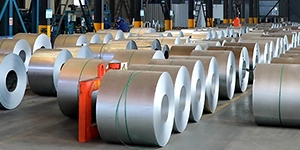
Stone coated metal roofing is often selected for its appearance and formed profile, but the steel base is a central part of the product specification. Importers may see terms such as Aluzinc, aluminium-zinc coated steel or AZ steel in supplier descriptions. These terms refer to a metallic coating system on the steel substrate. Buyers should confirm the exact material designation and applicable standard rather than assuming that similar product names indicate identical construction.
The substrate should be considered together with the roof design, exposure conditions and installation method. A material specification alone cannot determine the suitability of a roof for every building. Project designers should review structural requirements, local regulations, drainage, ventilation and the complete roof assembly. A supplier can provide product information, but site-specific design decisions should be checked by qualified local professionals.
Understand thickness terminology
One of the first questions to clarify is what a quoted thickness represents. A supplier may state base-metal thickness, total coated thickness or a nominal value. Those terms should not be treated as interchangeable. Ask for the definition, tolerance and measurement basis used in the technical document. If the project specification requires a particular thickness, write the requirement explicitly into the enquiry and purchase order.
A buyer should also consider how thickness relates to profile design and manufacturing. The final product is shaped and processed, and the factory should explain the dimensions and tolerances it can produce. If a project has a drawing or a required coverage area, share it early. This helps the supplier check whether the requested profile and material combination can be produced as specified.
Metallic coating and corrosion considerations
The metallic coating on the steel base is intended to provide corrosion protection. Buyers should ask for the coating designation, coating mass or other relevant specification, together with the standard or test method where applicable. A figure without a measurement basis can be misleading, particularly when comparing quotations from different suppliers.
Corrosion behaviour depends on more than the coating value. Environmental exposure, cut edges, scratches, water retention, dissimilar-metal contact, storage and installation practices all matter. Coastal locations, industrial atmospheres and areas with persistent moisture may require additional review. The buyer should provide a realistic description of the installation environment and ask for technical information relevant to that exposure. Avoid interpreting a general product description as a guarantee for every site condition.
Cut edges and handling practices
During manufacturing and installation, steel products may be cut, drilled or handled in ways that expose edges or create local damage. Buyers should ask how the factory manages cutting and edge finishing, and what precautions are recommended during transport and installation. If a project includes many site cuts, the contractor should follow the manufacturer's guidance for tools, protective treatment and handling.
Packages should be stored in a manner that reduces exposure to standing water and avoidable damage. Importers should discuss storage requirements with the supplier and freight forwarder, especially if products may be held before installation. On arrival, inspect the packages and document any transport damage before moving or installing the material. These steps support a clearer distinction between manufacturing issues, shipping damage and site handling conditions.
How to review a supplier's material documents
A useful technical submission identifies the steel base, thickness definition, metallic coating, profile dimensions, effective coverage and any relevant production tolerances. If a supplier provides a material certificate or test report, check the product or batch reference, date, issuing organization and scope. Confirm that the document relates to the material being offered. A generic document may not demonstrate that a particular shipment meets a specific project requirement.
Where the buyer's market requires a conformity document, test report or local approval, identify the exact requirement with a customs broker, certification body or local authority. Requirements can vary by product classification, application and country. A manufacturer may help provide product data, but the importer remains responsible for confirming the applicable import and building rules.
Coordinate the substrate with the rest of the tile
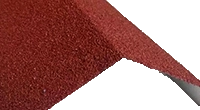
The steel base works as part of a complete tile construction. Profile geometry, granule application, adhesive, edge details and accessories should be reviewed together. For example, a tile's effective coverage depends on its overlap, while ridge and valley components need to match the roof layout. A specification that focuses only on steel thickness may overlook important details affecting ordering and installation.
Ask the supplier for a product drawing or sample that corresponds to the quoted specification. Confirm that any changes in thickness, coating, profile or dimensions are reflected in the sample and final order documents. If the buyer is sourcing several colors or profiles, identify each version clearly. Good specification control reduces the possibility of an unintended substitution during production.
Questions to include in a purchase enquiry
A concise material enquiry can ask: What is the steel substrate designation? How is thickness defined? What metallic coating specification is offered? What tolerance applies? How are cut edges handled? Which material documents are available for the order? What storage and installation precautions does the manufacturer recommend? These questions create a more useful conversation than relying on a broad phrase such as high-grade steel.
For projects in South Africa, Kenya, Nigeria, the Philippines, Malaysia, Indonesia, Central Asia or Canada, buyers should describe the actual site and regulatory context. Climate labels alone do not replace project information. Roof pitch, supporting structure, drainage, exposure, local standards and installation quality all influence product selection.
Make the steel specification traceable
For repeat purchasing, keep the approved material specification with the sample reference, quotation revision and purchase order. If the manufacturer changes a material source or proposes an alternative, request written approval before production. This record is useful for distributors who need to reorder the same product and for contractors who must confirm that delivered material matches the project documents.
FUODE ROOFING can review a buyer's required steel and coating details as part of a stone coated metal roof tile enquiry. The buyer should provide the target application, destination, profile and technical values required by the project. A clear material specification supports accurate quotation, sample evaluation and order communication.

Visit www.fuode.com for more details.
— FUODE ROOFING —
Stone Coated Metal Roofing Source Factory | Shandong, China
www.fuode.com | Welcome factory visit & sample requests