Español
 العربية
 Francés
 Русский
 Português
 Deutsch
 日本語
日本語
 한국어
한국어
 Việt
Việt
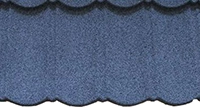
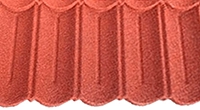

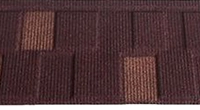
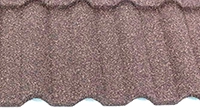
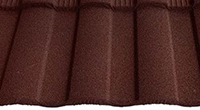
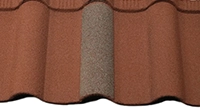
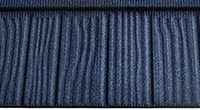

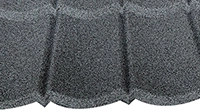


Why Stone-Coated Metal Tiles Stay Flat Under Scorching Sun: Substrate, Stone Granules, and Resin —FUODE ROOFING
Why Stone-Coated Metal Tiles Stay Flat Under Scorching Sun: Substrate, Stone Granules, and Resin —FUODE ROOFING
Inquiries we receive every year from developers, project contractors, and building owners across West Africa, Southeast Asia, the Middle East and beyond share a common thread: under year-round intense sun exposure, conventional roofing materials quickly reach scorching surface temperatures, and many clients worry about deformation, delamination, and leaks in the roofing they choose. Requests specifically asking about the thermal performance of stone-coated metal tiles account for the largest share of incoming procurement consultations. To address this concern directly, FUODE ROOFING — a source manufacturer of stone-coated metal roofing tiles — conducts dedicated environmental simulation tests targeting high-temperature, high-sun-exposure markets every year. These include long-duration thermal stability testing lasting thousands of hours in the lab, combined with full-year outdoor exposure trials under real sunlight. Through measured data, macro photography of material surface changes, dimensional stability tracking, and other key indicators, we provide overseas clients active in high-temperature markets with reliable, reference-grade data for informed material selection.
When comparing roofing materials, many buyers tend to group stone-coated metal tiles together with ordinary color steel sheets, asphalt shingles, and ceramic tiles into the same broad category, overlooking the fact that different substrates and manufacturing processes produce dramatically different outcomes in high-temperature environments. Ordinary thin-gauge color steel sheet lacks a multi-layer composite protective structure. In environments where surface temperatures spike above 45°C, its substrate heats up rapidly; visible micro-deformation appears in a short time, and under the combined stress of day-night thermal expansion and contraction cycles, lap joints gradually widen, creating pathways for water infiltration and corrosion. Asphalt shingle products, relying on bitumen-based binders, tend to suffer granule shedding and edge curling under prolonged heat and sun exposure, drastically shortening their effective service life. Conventional ceramic and concrete tiles, with their heavy self-weight, are not only prone to cracking under thermal stress but also place high structural load demands on buildings, while their poor thermal insulation properties drive up indoor cooling energy consumption — and the logistical freight costs for heavyweight materials remain prohibitive.
For the FUODE ROOFING thermal stability test program, we selected our standard export-grade 0.55 mm stone-coated metal tile as the primary specimen, while simultaneously sourcing ordinary sheet metal tiles and low-cost stone-coated tiles from the market as control samples. The testing process was divided into two phases: laboratory high-temperature chamber simulation, and full-year natural outdoor sun exposure. Throughout both phases, we continuously recorded dimensional deviation, thermal deformation, stone granule bonding condition, resin adhesion status, and other performance metrics for all samples. The entire testing procedure follows general building materials testing standards and evaluation norms, and all measurement records and product comparison data are excerpted and provided to clients as reference.
In the laboratory simulation phase, we set the chamber temperature at a constant 85°C to replicate the extreme high-temperature conditions of sun-scorched rooftops in tropical and desert regions, and subjected all samples to continuous baking for 3,000 hours, with full-inspection sampling every 500 hours using specialized measuring tools. Within the first 500 hours of continuous baking, the control samples began to show visible changes: surface temperatures of the low-cost products quickly approached the set chamber temperature. By contrast, the FUODE ROOFING stone-coated metal tiles exhibited virtually no visible thermal surface abnormalities; the overall panel length and width dimensional deviations remained within an extremely narrow range. The high-temperature-fired stone granules were densely and tightly bonded, and after brushing with a specialized test brush, showed no granule shedding. The surface bonding resin layer exhibited no blistering, cracking, embrittlement, or discoloration.
The performance gap between the control products and FUODE samples widened dramatically from 1,000 hours onward. One batch of thin-gauge sheet metal tiles showed visible waviness and edge curling along the panel edges, with dimensional deviations exceeding the allowable tolerance range. Stone granules on lower-tier products began localized shedding, and fine blisters appeared in the resin bonding layer. One batch of dyed-color granule samples developed edge separation and cracking in the resin layer, with pronounced color fading and chromatic aberration. As the test approached the 3,000-hour mark, the control samples exhibited increasing severity of deformation, delamination, and granule loss, whereas the FUODE product samples remained flat and intact throughout, with dimensional fluctuation consistently within the industry standard tolerance band, and the stone granule layer and bonding layer showed no visually distinguishable degradation — a clear advantage rooted in superior substrate formulation and process integration.
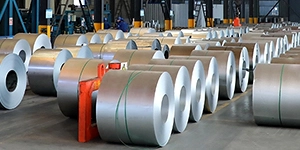
The ability to maintain a stable state under prolonged high-temperature baking is directly attributable to FUODE ROOFING's control over raw material selection and manufacturing processes — a core competitive advantage of a source manufacturer over small-scale processors and workshops. The tile substrate is made from high-grade aluminum-zinc alloy-coated steel sheet. The internal alloy crystal structure has been optimized and modified for high-temperature service; its coefficient of thermal expansion is low and highly uniform. During extended exposure to high temperatures, the substrate does not accumulate localized thermal stress concentrations that lead to warping or curling deformation. At the same time, the aluminum-zinc alloy coating provides secondary protection for the substrate in high-temperature, high-humidity coastal environments, further slowing the electrochemical corrosion rate of the metal substrate.
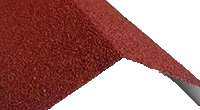
The stone granules covering the tile surface are made exclusively from natural mineral ores, high-temperature sintered at over 800°C with an inorganic ceramic color-glaze process — fundamentally different from low-cost dyed sand. The fully fired ceramic glaze integrates with the natural sand particles into a single body that will not undergo organic decomposition, fading, or chalking under high temperatures. The adhesive layer between the granules and substrate uses a high-temperature-resistant acrylic resin with a formulation engineered for long service life in high-temperature environments, remaining dimensionally stable without softening, flowing, or losing granule grip. Even after years of direct sun exposure, there will be no sand shedding, peeling, or sheet warping. The tiles use an industry-standard lock-form interlocking overlap design, with predefined expansion and contraction clearance between individual tiles rather than relying on sealant to absorb thermal movement. This eliminates stress-driven panel deformation caused by temperature gradients, and the system, from individual tile geometry to the overall installed assembly, delivers better overall adaptability to high-temperature environments.

Beyond laboratory simulation of accelerated thermal aging, we also operate outdoor exposure test platforms at the factory's open-air site, replicating real-use conditions in West Africa and Southeast Asia — subjecting tiles to full-year diurnal cycles of direct sun exposure, day-night temperature swings, and rainwater wash, while continuously recording the long-term service state of the panels. In summer, when ground surface temperatures repeatedly exceed 50°C, the tiles remain in a hot-to-the-touch state for extended periods. After more than a year of outdoor sun exposure — a direct, unshielded test of material performance — the panels remain flat and free of deformation, the stone granule layer remains firmly bonded, no gaps have appeared at panel interlock joints, and the panel edges under overlapping pressure remain tight and secure. At the same time, the high-temperature-fired natural stone granule layer reflects and scatters a portion of solar thermal radiation, delivering excellent thermal insulation performance. This effectively slows the rate of indoor temperature rise from rooftop heat transfer, reducing the energy consumption and operating costs of indoor cooling equipment. For full-year high-temperature regions such as tropical and hot desert zones, this translates into meaningful savings in daily operational expenditure.
Many overseas builders and project procurement managers who choose to work directly with FUODE ROOFING as a source manufacturer pay close attention not only to product stability under high-temperature conditions but also to a comprehensive suite of dimensions — product weather resistance, corrosion resistance, strength, ease of installation, and more. The company operates a fully automated, integrated stone-coated metal tile production line, covering the complete process from substrate de-coiling and leveling, resin coating, high-temperature sintered granule embedding and curing, through to finished product packaging — controlling raw material specifications and process standards for every tile from the source. Every batch of finished products, before dispatch, passes multiple rounds of inspection including thermal cycling, adhesion, and colorfastness testing, ensuring consistent and uniform product quality across every batch delivered to the client, matching the approved reference sample — regardless of production run.
In terms of product range, the line covers Mediterranean, Roman, Colonial, Kenyan, and Malibu wave profiles among other architectural styles, with over 16 standard color options to meet the aesthetic preferences of different national markets, while also supporting custom tile profiles and colors based on client sample or specification requirements. On the supply capacity side, the company operates at stable scale, able to undertake large-volume overseas project orders, works with long-established forwarder partners for container loading and shipping arrangements, and delivers stable, reliable product supply to clients across the globe. For markets in West Africa, East Africa, Cameroon, Ghana, Tanzania, Ethiopia, and beyond, regular feedback on real-world usage conditions is provided by long-term partners in country, and product formulation and processes are continuously optimized based on actual field data to better serve the specific climatic demands of different regions.
Beyond product performance and parameter data, FUODE ROOFING also provides overseas clients with comprehensive product documentation support — including full thermal aging test reports, product technical data sheets, installation guides aligned with local building standards — helping overseas project contractors and end-users in different regions validate product compliance. For source procurement and distribution clients, factory visits and production line walk-throughs can be arranged at any time, allowing direct observation of manufacturing processes, raw material warehousing, and finished product testing, so clients gain a thorough understanding of the source manufacturer's quality control system and can move through the procurement process with full confidence.
To return to the core question that matters most to clients: will stone-coated metal tiles deform under scorching sun? Thousands of hours of laboratory high-temperature testing combined with full-year outdoor exposure data provide the answer — stone-coated metal tiles manufactured with compliant aluminum-zinc alloy steel substrate, high-temperature-fired natural stone granules, and high-temperature-resistant acrylic resin will maintain a flat and stable form even in environments where surface temperatures stay scorching hot for prolonged periods. They will not curl, warp, or deform, and the overall roof system structure will remain secure and stable. However, if low-cost materials using substandard thin substrates, dyed-color sand, and ordinary adhesives are chosen, deformation, delamination, and granule loss will readily appear after prolonged high-temperature service, driving up additional maintenance, repair, and replacement costs.
For construction material buyers and project decision-makers in tropical and hot desert regions worldwide, long-term thermal stability of roofing materials is a non-negotiable selection criterion. Pursuing only the lowest procurement price may seem to control and reduce initial purchasing costs, but a wide range of quality problems and failures tend to surface during actual use, forcing ever-higher supplementary maintenance and replacement expenses. FUODE ROOFING, as a specialized source manufacturer of stone-coated metal tiles, has always taken extreme global climate conditions as the starting point for R&D and formulation. Through rigorous high-temperature aging tests and standardized product quality control processes, the company delivers stone-coated metal tile products proven for use under scorching sun and intense heat, providing stable and reliable roofing material procurement options for clients worldwide. For roofing procurement, product sample testing, or custom solution inquiries, please contact the FUODE international trade team at any time.

— FUODE ROOFING —
Stone Coated Metal Roofing Source Factory | Shandong, China
www.fuode.com | Welcome factory visit & sample requests