Español
 العربية
 Francés
 Русский
 Português
 Deutsch
 日本語
日本語
 한국어
한국어
 Việt
Việt




Stone-Coated Metal Roofing for Coastal Areas: Corrosion Resistance, Wind Uplift, and Lifecycle Cost Advantages Over Color Steel
Stone-Coated Metal Roofing for Coastal Areas: Corrosion Resistance, Wind Uplift, and Lifecycle Cost Advantages Over Color Steel
With salt-laden sea breezes, drastic day-night temperature swings, high humidity, intense UV exposure, and strong wind-driven rain — any one of these factors is enough to accelerate material corrosion; combined, they multiply the effect. In coastal regions, many projects have opted for traditional color steel sheet roofing, only to face a cascade of problems within a few years: substrate corrosion, coating peeling, water leaks, and pooling water. Frequent repairs or complete roof replacement not only drives up the total cost of ownership but has also led many building owners and developers to seek roofing materials with genuinely superior weathering performance — materials designed to withstand coastal conditions at the source. FUODE ROOFING's stone-coated metal roofing tiles, with their multi-layer composite structure and rigorous material engineering, deliver far more durable performance than conventional color steel sheets in coastal environments. They have become the preferred alternative to traditional metal roofing for an increasing number of coastal construction projects at home and abroad.
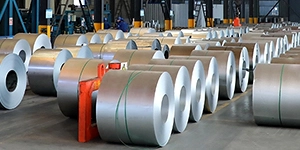
To understand the durability gap between stone-coated metal tiles and color steel sheets under coastal conditions, we must first examine the fundamental structure and corrosion-resistance logic of each material. Conventional color steel sheet has a relatively simple three-layer structure: a galvanized steel substrate at the base, a chemical conversion coating, and an organic topcoat on the surface. This material is inherently vulnerable in coastal environments. When corrosion attacks, it tends to start from a single point. Salt particles and fine dust carried by sea breezes continuously scour the color steel surface, and elevated temperatures along the coast accelerate coating aging and degradation. Once the coating develops micro-cracks, blisters, or peeling, moisture and oxygen make direct contact with the galvanized substrate beneath. The zinc layer is then eroded by salt-laden moisture and gradually consumed. Rust spreads outward from the corrosion point along the inner face of the panel, and within a short period the sheet develops perforations and leaks. Even when property owners schedule regular coating repair and maintenance for color steel roofs, high humidity, heavy salt, and temperature fluctuations mean the coating's repair effectiveness is severely limited — repairs may only last a year or two, and the accumulated costs of tear-off, labor, and paint materials can easily rival or exceed the initial investment.
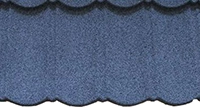
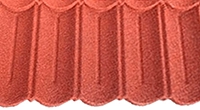
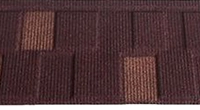
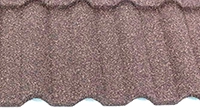
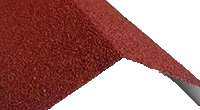
FUODE ROOFING's stone-coated metal tiles employ a multi-layer composite protective structure, forming multiple independent defense lines from the inside out to combat water and salt corrosion. The base layer uses a thickened hot-dip aluminum-zinc alloy steel sheet, with the aluminum-zinc alloy coating thickness and composition optimized through years of real-project validation in coastal markets. The uniform alloy coating significantly slows the corrosion rate of salt and moisture on the metal substrate — delivering a leap in durability compared to the plain galvanized layer used in conventional color steel. On top of this substrate is a high-strength, weather-resistant acrylic resin adhesive layer, into which natural colored stone granules are embedded and bonded under high-temperature curing. The stone granules themselves bring a natural performance advantage in coastal environments: the dense stone granule layer creates a physical armor on the tile surface, directly absorbing and buffering the abrasive impact of wind-driven sand on the building envelope, preventing wind-blown particles from directly contacting the underlying protective layers. At the same time, the natural colored stone granules remain dimensionally stable and colorfast under prolonged coastal sun exposure and UV aging, with none of the chalking, fading, or discoloration issues common with organic coatings. Moreover, the multi-layer composite structure delivers a coordinated combination of properties — impact resistance, water resistance, corrosion resistance, and weather resistance — substantially slowing the overall deterioration rate of roofing materials in harsh coastal climates.

Beyond differences in corrosion resistance, the two materials also diverge sharply in waterproofing integrity and structural stability under coastal stresses — further widening the durability gap. Color steel sheets are typically large flat panels, assembled with lap joints that rely on sealant for waterproofing. Under prolonged salt spray erosion and the thermal expansion and contraction cycles driven by large day-night temperature swings, the sealant gradually cracks and debonds. These joint gaps then become channels for moisture infiltration, creating direct corrosion pathways at the overlaps. The large flat panel design of color steel sheets is also inherently deficient in wind resistance: when coastal typhoons or strong winds strike, broad expanses of color steel roofing are prone to wind uplift, deformation, and even detachment. At deformed areas, the anti-corrosion coating is likewise compromised, accelerating the corrosion process. Stone-coated metal tiles, by contrast, are shaped into an interlocking, shingle-like profile. The natural colored stone granule layer provides a stronger micro-textured surface that better withstands wind-driven rain impact, and the tile interlock design distributes wind loads segment by segment without concentrating stress. This structural system allows the roof to remain in a stable, secure state even during typhoon-level wind events.
In their evaluation and comparison, many overseas builders, developers, and factory owners pay close attention to the product's own durability performance. Equally important to the case for stone-coated metal tiles in coastal applications is the ease and cost of maintenance. Conventional color steel roofs typically require sanding and recoating every two to three years. Exposed to persistent salt spray and sea breeze, the surface treatment environment is demanding and difficult to control. Each maintenance cycle requires investment in coatings, labor, and construction management, and cumulative maintenance costs over a decade can approach or surpass the original project cost. FUODE ROOFING's stone-coated metal tiles, with a stable, extremely durable inorganic surface protection system, can go decades under normal use without large-scale tear-off or refurbishment work. Routine cleaning with water or a mild detergent is enough to keep the surface in good condition, dramatically reducing ongoing maintenance costs and operational investment. For coastal commercial and industrial facilities with long operating horizons, this translates into effective control of building lifecycle operations expenditure.
As a manufacturer focused on the R&D and production of stone-coated metal roofing tiles from the source, FUODE ROOFING has served coastal markets around the world for many years and has deep familiarity with the differing regional environmental demands of Southeast Asia, Africa, and Central Asia. The company operates a dedicated material performance testing workshop: every batch of finished stone-coated metal tiles passes through a testing sequence that includes accelerated aging, salt spray resistance, and wind uplift resistance — a multi-condition simulation of harsh coastal service environments. Key technical indicators — substrate thickness, alloy coating uniformity, stone granule bond strength — are strictly controlled, and mill test reports are provided with every shipment. FUODE ROOFING connects directly with overseas builders, project contractors, and African developers, delivering customized stone-coated metal tile solutions in specified dimensions and colors tailored to project requirements. A full range of matching accessories — ridge caps, gable trim, fasteners, and sealants — is also supplied to ensure tighter system fit and eliminate material incompatibility and performance gaps on site.
Material selection should never be based solely on upfront procurement pricing. Rather, it must weigh factors across the full spectrum: service environment demands, product lifespan expectations, and total lifecycle maintenance costs. In coastal regions — with strong wind, heavy salt, intense UV radiation, and combined environmental degradation — the comprehensive durability threshold is inherently high. Color steel sheets, limited by their structural design and material composition, are prone to coating failure, rust perforation, and water leakage over the long term in coastal settings. Frequent maintenance and roof replacement continually erode the building's operating economics. FUODE ROOFING's stone-coated metal tiles, with their multi-layer composite weather-resistant structure, an optimized thickened aluminum-zinc alloy substrate process, and a physical armor layer of natural stone granules, deliver more stable and long-lasting performance across the full coastal service spectrum. The minimal coastal maintenance they require also helps clients keep total building lifecycle investment low — the core reason why more and more coastal projects worldwide are choosing stone-coated metal tiles over traditional color steel sheets.
As global demand for industrial, commercial, and residential roofing with proven long-term coastal durability continues to accelerate, and the market for high-performance coastal roofing materials enters a phase of sustained growth, FUODE ROOFING — as a source manufacturer — continues to optimize the material formulation and structural design of its stone-coated metal tiles. The company develops differentiated products tailored to the climatic characteristics of different coastal markets, delivering roof system solutions that balance aesthetics with practicality for building owners everywhere. For roofing procurement inquiries, project material selection advice, or in-depth technical consultation, please contact FUODE ROOFING directly through official channels to obtain detailed product specifications, project reference cases, and market-specific procurement guidance.

— FUODE ROOFING —
Stone Coated Metal Roofing Source Factory | Shandong, China
www.fuode.com | Welcome factory visit & sample requests