Español
 العربية
 Francés
 Русский
 Português
 Deutsch
 日本語
日本語
 한국어
한국어
 Việt
Việt

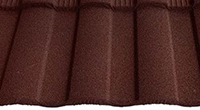
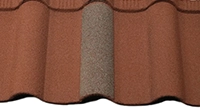
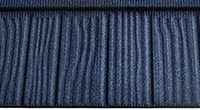

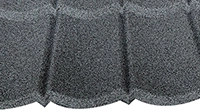


Stone‑Coated Metal Roofing Weight per m² vs. Clay & Concrete
Stone‑Coated Metal Roofing Weight per m² vs. Clay & Concrete
When planning a roofing project, many builders, contractors and project owners tend to overlook tile weight until they start reviewing structural drawings and calculating load capacity for the building. It is quite common to receive inquiries from overseas partners who have previously worked with traditional roofing materials, asking about the actual persquaremeter weight of stonecoated metal roofing, and hoping to get practical reference by comparing it against clay tile and concrete tile. Weight is not merely a physical data point for roof covering materials, it connects closely with roof frame design, transportation cost, installation workload, longterm building safety and even the overall budget of an entire project, which explains why this topic draws so much attention among realworld construction practices. Many people only focus on appearance, colour and weather resistance when selecting roof tiles, yet excessive roof load may bring hidden troubles that only show up years after project completion, especially for renovation projects on existing houses where the original structure was calculated for lighter roof loads and cannot sustain overly heavy tile layers. Getting clear on realworld weight figures helps project teams make reasonable structural adjustments in advance and avoid rework after material arrival onsite.

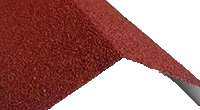
Stonecoated metal roofing manufactured at FUODE ROOFING takes galvanized steel base plate as core substrate, covered with natural stone chips bonded by highstrength acrylic coating, and its finished weight per square meter sits within a stable range under standard production specifications. Unlike solid clay or concrete products whose mass comes from dense raw material bulk, metalbased roof tiles keep material mass relatively low while maintaining sufficient surface coverage area for each single tile. In actual site calculation, it is worth noting that quoted weight should cover installed effective coverage area rather than bare singlepiece tile weight, because overlapping sections will change the material consumption per square meter, and many misunderstandings arise from mixing up single tile weight with practical persquaremeter weight after installation. When contractors source samples from different suppliers, they may notice slight weight gaps among products from different factories, such gaps usually stem from base metal thickness, stone chip layer thickness and compressing process, rather than random quality fluctuation, so it makes sense to confirm effective coverage weight with your supplier before final order confirmation.
If we turn to traditional clay roof tile, also widely used across multiple regions, its persquaremeter installed weight rises significantly higher compared with stonecoated metal roofing. Clay tiles are fired from natural clay, each individual piece carries considerable mass, and after laying with necessary overlaps, cumulative dead load placed on roof truss system becomes substantial. For newbuild projects, engineers can design roof frames to bear such heavy static load without issues, but for renovation work on old buildings, existing timber or light steel frames often cannot support clay tile load without reinforcement work. Structural reinforcement means extra spending on materials and labour, extended construction cycle, and in some cases, certain old buildings are not technically suitable for heavyweight tile replacement no matter how much modification is applied. Concrete roof tile shares similar heavyload characteristics with clay tile, produced by mixing cement, sand and aggregate under pressing and curing processes, it delivers solid durability yet brings notable weight burden for roof structures. Both clay tile and concrete tile have proven their value in countless projects over decades, they hold unique advantages in texture and local construction habit adaption, yet their heavy weight creates constraints for many modern building and retrofit scenarios.
Beyond static structural load, weight difference also exerts tangible influence over logistics and onsite installation phases. Heavier tiles translate into higher total cargo weight for the same roof coverage area, which pushes up sea freight cost for export shipments, and increases handling pressure during loading and container stuffing. On construction sites, workers spend more physical effort lifting and placing heavy clay or concrete tiles, which may slow down installation progress to some extent. Stonecoated metal roofing, with comparatively lower unit weight, brings lighter total cargo weight for equivalent roof area, easier manual handling for installers, and creates friendlier conditions especially for largescale residential and commercial roofing projects. It should be pointed out that light weight does not equate to weak performance, the mechanical performance relies more on base steel quality, stone chip adhesion and complete installation system including matching accessories such as roofing nails, ridge pieces and flashing components. Even highquality lightweight roof covering may deliver unsatisfactory outcome if installed without proper accessories and standard operation, this is why FUODE ROOFING consistently supplies full sets of matching accessories together with main tiles, and shares practical installation guidance for overseas clients, helping local construction teams get the most out of product performance.
Many project owners worry whether lighter roof tiles will perform poorly under extreme weather conditions including heavy rain, strong wind and hail events. Properly installed stonecoated metal roofing keeps stable fixation through nail fastening onto roof battens, wind resistance performance depends largely on installation specification rather than tile selfweight. Heavy tiles sometimes are mistakenly thought to resist wind better simply due to mass, but under intense wind uplift force, insufficient nailing can still lead to tile displacement regardless how heavy each tile is. Realworld project feedback from different climate zones shows that correct fastening method and complete auxiliary system play decisive roles for longterm roof stability. When comparing these three tile types, there is no absolute “one fits all” solution, clay tile and concrete tile remain reasonable choices for projects whose structures are designed for heavy dead loads and clients prefer traditional aesthetic styles, while stonecoated metal roofing opens up more options for lightframe buildings, house renovation, prefabricated housing and projects keeping an eye on logistics and installation efficiency.
When you evaluate material options for upcoming projects, it is recommended to communicate weight parameters with structural engineers early in the project stage, match tile selection against building frame bearing capacity, instead of picking roof tile purely based on visual effect. At FUODE ROOFING, we often share actual weight reference data along with product samples for our global clients, so you can crosscheck parameters with local building codes and structural calculation reports. Many trading companies and contractors we cooperate with prefer to arrange trial orders first, to inspect physical product quality, weight feel and surface finishing before committing to largevolume container shipments. Every building project faces its own set of conditions, from local climate, frame type, budget allocation to construction team experience, all these variables need to be taken into comprehensive consideration. Understanding persquaremeter weight difference among stonecoated metal roofing, clay tile and concrete tile offers you one more practical dimension to make wellinformed sourcing decisions, helping you move forward with roofing solutions that fit your project reality for longterm reliable performance.

— FUODE ROOFING —
Stone Coated Metal Roofing Source Factory | Shandong, China
www.fuode.com | Welcome factory visit & sample requests