Español
 العربية
 Francés
 Русский
 Português
 Deutsch
 日本語
日本語
 한국어
한국어
 Việt
Việt




Granule Shedding on Stone‑Coated Roofs: Root Cause in Adhesive & Curing
Granule Shedding on Stone‑Coated Roofs: Root Cause in Adhesive & Curing
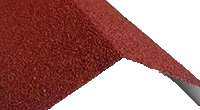
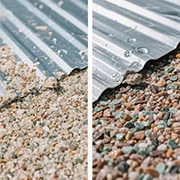
For contractors, building developers and hardware traders who source stonecoated metal roofing for overseas projects, one of the most frustrating field issues they may run into is granule shedding from finished roof tiles. After full installation and exposure to outdoor weather over months or a few years, scattered stone particles start to wash away during heavy rainfall, gather in gutter systems, and gradually expose the metal substrate underneath. Once the base steel becomes bare, it is more vulnerable to moisture, UV radiation and atmospheric corrosion, which compromises the overall service life of the entire roof assembly. Many project partners initially assume granule loss is caused purely by lowquality stone chips, yet practical cases from numerous job sites show that mineral raw material is only one piece of the whole picture, and most premature granule shedding traces back to adhesive selection and curing process control inside manufacturing facilities. It is easy for buyers to judge products merely by visual appearance when inspecting samples, as newly produced tiles can look almost identical even when different bonding formulas are applied, and defects related to adhesive and curing will not show obvious signs until tiles endure cycles of sunlight, rain, temperature swing and wind erosion in realworld outdoor conditions. That is why understanding these hidden production links helps international buyers make more grounded assessments before placing bulk orders, rather than discovering avoidable problems after containers arrive and installation is completed.
The adhesive serves as the critical intermediate layer locking natural stone granules firmly onto the metal panel of stonecoated metal roofing. Not all coating binders perform equally under longterm outdoor exposure, and raw material cost differences drive many manufacturers to pick alternative adhesive formulations that may pass shortterm lab tests but fail to sustain stable bonding after prolonged UV exposure. When the adhesive lacks sufficient weatherresistant properties, continuous ultraviolet radiation from sunlight will slowly break down its molecular structure, making the coating layer turn brittle or develop microcracks. Once flexibility is lost, daily expansion and contraction of metal substrates triggered by temperature shifts will create stress between steel sheet and granule layer, and stone particles begin to detach little by little. Even highquality mineral chips cannot stay wellbonded if the adhesive medium cannot absorb thermal deformation properly, and this kind of failure often cannot be spotted through simple visual checks on brandnew tiles. At FUODE ROOFING, we select acrylicbased adhesive compounds formulated for exterior roofing applications, keeping longterm outdoor ageing performance in mind during material procurement, since we know that surface beauty means little without reliable bonding performance that holds up across different global climate zones.

Apart from adhesive material itself, curing procedure is another easily overlooked factor contributing to granule loss. Proper curing allows the adhesive to complete chemical crosslinking fully before finished tiles are stacked and packed. If production lines shorten curing time to raise daily output volume, or operating temperature inside curing ovens deviates from the required range, the binder will not achieve its target hardness and adhesion strength even though tiles look visually finished. Partially cured adhesive remains in a semistable state, and pressure from stacking during storage and container transportation can already loosen partial granules. After installation on rooftops, rainwater can penetrate gaps between stone chips, gradually erode incompletely solidified adhesive, and accelerate particle fallingoff. Variations in ambient humidity within production workshops can also interfere with final curing effects, so stable environmental control throughout manufacturing matters more than many buyers realise. Different factories set their own line parameters according to equipment configuration and production scheduling, which creates performance gaps among products that appear similar at first glance. When overseas customers visit our production base of FUODE ROOFING, many pay close attention to the curing segment, observing how tiles go through staged temperature treatment instead of rushing straight to packing, and this onsite observation helps them build clearer comprehension of how process settings influence endproduct reliability.
It is worth clarifying that minor granule fallout during the initial period after installation is regarded as normal for stonecoated metal roofing. Loose residual particles that do not fully lock onto the surface will wash off in the first several rain events, and this small amount of shedding should not be confused with progressive, continuous granule loss that grows worse year by year. Experienced installers often warn project owners about this difference, because distinguishing normal initial particle washoff from abnormal bonding failure prevents unnecessary panic or misjudgement of product quality. Abnormal granule loss tends to expand across large roof areas, with bare metal patches appearing visibly, and large quantities of granules accumulating inside gutters with every rain. When such symptoms emerge, it usually indicates issues originating from adhesive or curing stages rather than normal wear. Many overseas partners share feedback that they once encountered suppliers providing appealing sample tiles, but massproduced goods deviated from sample standards in adhesive formula or curing parameters, resulting in unsatisfactory field performance after project completion. Sample inspection is valuable, yet it cannot fully replace verification of consistent process control across mass production runs.
Projectside handling also exerts certain influence on practical outcomes. Rough stacking, sharp impact during container loading and onsite transportation can scratch tile surfaces and trigger local granule detachment, even for wellmanufactured stonecoated metal roofing. That explains why proper packing methods and protective handling guidance are part of the exportoriented service at FUODE ROOFING. We provide corresponding handling reminders together with tile consignments for our global clients, helping local teams minimise mechanical damage before installation. Still, external physical damage usually creates partial, localised granule loss, while widespread progressive shedding across whole roof surfaces points back toward core manufacturing links including adhesive and curing. No roofing material can stay unaffected forever, yet wellcontrolled production can greatly slow down ageingrelated granule wear and keep the roof surface intact over long service cycles.
Buyers engaged in international roofing sourcing need to think beyond surface aesthetics and unit price, and learn to ask practical questions related to bonding material and production workflow when communicating with potential suppliers. Many of our longterm cooperative contractors choose to place trial orders first, so they can expose sample batches under local climate conditions for observation before committing to full containerlevel purchases. Realworld ageing effect takes time to show itself, and trial shipments offer a practical way to verify product performance under local environment instead of only relying on specification sheets. Every export project faces unique climate challenges, from strong tropical UV radiation, frequent heavy rainfall to large diurnal temperature variation, all these conditions place high demands on adhesive stability and curing quality of stonecoated metal roofing. By recognising how adhesive selection and curing processes shape longterm field performance, buyers can filter available options more rationally and pick roofing solutions that deliver steady performance for their projects over years ahead.

— FUODE ROOFING —
Stone Coated Metal Roofing Source Factory | Shandong, China
www.fuode.com | Welcome factory visit & sample requests