Español
 العربية
 Francés
 Русский
 Português
 Deutsch
 日本語
日本語
 한국어
한국어
 Việt
Việt
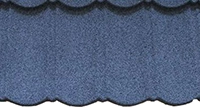
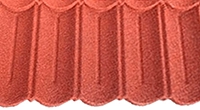

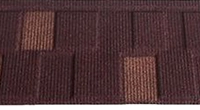
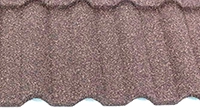
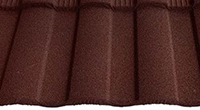
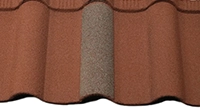
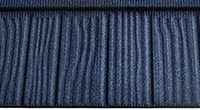

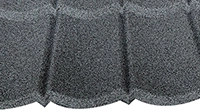


Mixing Multiple Colors in One Full Container Shipment: How Our Liaocheng Factory Keeps Sorting & Loading Accurate
Mixing Multiple Colors in One Full Container Shipment: How Our Liaocheng Factory Keeps Sorting & Loading Accurate
When overseas buyers plan large roofing projects, it is not uncommon for them to need more than one color of stone coated metal roofing within a single shipment. Some customers are working on several houses in a residential subdivision, where different units call for distinct roof colors. Others manage resort or community building developments that require varied tones for different structures, and they prefer to combine all the required tiles into one full container to cut down ocean freight and delivery lead time. Mixed color full container orders bring obvious logistics benefits, yet they also introduce extra complexity during factory sorting and loading. Even small mistakes such as mislabeled pallets or misplaced color batches can create major headaches once the container arrives at the destination port, wasting valuable time and raising extra handling costs for contractors and distributors. This is exactly the challenge our team at FUODE ROOFING addresses every day for buyers who want to mix multiple colors in one 20ft or 40ft container shipment of stone coated metal tiles.
Many suppliers treat mixed color orders as complicated, high-risk work and tend to discourage buyers from combining different colors into one container. Some will accept the order but rely only on simple handwritten tags, leaving room for human oversight during busy packing periods. When production output is high and multiple orders run in parallel, it becomes easy for workers to place tiles of one color onto the wrong pallet. Once sealed inside the container, these errors are nearly impossible to spot before arrival. That risk is what pushes many project managers to split their purchases into separate shipments, which inevitably increases the total logistics expense and delays their construction timeline. Our team has spent years refining our workflow specifically for mixed color full container shipments, building a step-by-step handling process without overpromising impossible speed or zero-risk outcomes, just steady, repeatable quality control that minimizes sorting mistakes when packing stone coated metal roofing tiles of different colors together.
Every mixed color order starts long before physical packing begins, starting with clear documentation aligned directly with the buyer’s purchase order. Our sales and technical team will break down the exact quantity for each color variant, cross checking the roof tile model, surface finish, matching accessories and pallet allocation together with the customer. We confirm which colors go onto separate pallets, how many tiles each pallet carries, and how these pallets will be stacked inside the container. This written breakdown is shared with both the production workshop and warehouse team, so every department works from the same set of figures. This pre-work helps catch mismatches early. For example, sometimes buyers adjust color quantities at the last minute, and without updating the warehouse picking list, confusion will happen during pallet preparation. We make it standard practice to reconfirm any changes and update all internal records before picking materials from finished goods storage in our Liaocheng factory.
Once the stone coated metal tiles of each color finish production and pass our standard quality inspection, they move to the dedicated mixed order sorting zone inside our warehouse. This separate area keeps mixed-batch pallets away from regular single-color stock, reducing the chance of accidental cross mixing. Each pallet receives a unique printed label with color code, quantity, order reference and destination information. We avoid handwritten notes as much as possible, using standardized printed stickers that stay attached through stacking, wrapping and ocean transit. Warehouse staff pick tiles by color group first, stacking each color onto its assigned pallet one by one. After a pallet is fully stacked, our QC staff will carry out a secondary count, verifying tile quantity and visually checking the stone granule color to confirm it matches the label. It is not just about counting how many pieces are there; the inspector also makes sure there are no stray tiles from other color batches accidentally placed onto the pallet.
After pallet inspection, the pallets go through stretch film wrapping, and we add external marker tags on multiple sides of each pallet. Multiple labels matter because once pallets are stacked inside the container, one side might face the container wall and become hidden. Adding markers on several faces means the receiver can quickly identify each pallet’s color when unloading, even inside tight container space. Before container loading starts, our loading supervisor reviews the full pallet list again, matching every pallet tag to the packing list shared with the overseas customer. We also take photos and short video clips of the pallets before and during loading. These records are sent directly to the buyer, so they can visually confirm the colors and arrangement before the container is sealed. For customers managing large building projects, these pre-shipment records bring extra transparency and peace of mind, as they can cross reference what was loaded against their own project schedule.

Loading sequence also plays a key role in keeping mixed color shipments organized. Our team plans the stacking order based on the customer’s unloading preference when possible. If the buyer wants certain color pallets to sit near the container door for earlier offloading, we arrange those pallets toward the opening while placing other batches deeper inside. During loading, our supervisor stays beside the container entrance, checking each pallet label as it enters. This on-site check is the final barrier against mix-ups. If a pallet tag does not match the loading plan, the team pauses immediately to double check before moving it into position. We do not rush container stuffing just to hit a loading deadline, because rushing is where sorting errors usually appear. Our Liaocheng warehouse has enough space to stage all pallets of a mixed order beside the container ahead of time, so every pallet is ready and verified before loading begins, rather than scrambling to pull pallets from different warehouse zones while the truck waits.
We also handle the matching accessories within mixed color orders carefully. Ridge caps, valley flashings, eave trims and other fittings often need to match the color of the main tiles. These smaller components are packed into separate labeled cartons, tied to the corresponding tile pallet, so accessories do not become separated or mixed with parts for another roof color. Many mixed container issues come not from the main roof tiles, but from loose, unmarked accessories that get separated during shipment. By grouping color matched fittings with their tile pallets, we help the installation team overseas locate everything they need for each roof section quickly once the goods arrive.
Even with a mature workflow, we openly communicate with customers about realistic limits for mixed color full container orders. There are practical boundaries on how many different colors can fit smoothly inside one container, based on pallet size and total quantity per color. If a buyer requests too many distinct colors with very small quantities for each, we will explain the risks of pallet fragmentation and longer sorting time, and discuss adjusted plans instead of simply accepting the order without warning. This honest communication is central to our approach at FUODE ROOFING. We have seen other factories accept highly complex mixed orders without setting proper expectations, leading to confusion and disappointment for buyers after arrival. We always talk through the feasibility, timeline and packing arrangement up front, so our customers fully understand how their mixed shipment will be organized before production starts.
For distributors and project contractors, the value of reliable mixed color shipments goes beyond convenience. When multiple building sites or housing units share one container of stone coated metal roofing, they save significantly on per-unit freight cost. Reliable sorting also cuts the time spent sorting goods after arrival, reduces material waste and keeps construction schedules on track. Buyers do not need to hold oversized inventory of a single color, and they gain flexibility to serve projects with varied architectural design requirements. This is why mixed full container orders have grown more popular with our overseas partners in recent years, as more developers look for flexible sourcing options from source factories rather than multiple separate suppliers.
As a stone coated metal roofing source factory based in Liaocheng, FUODE ROOFING continues to refine our sorting, labeling and loading processes for mixed color container shipments. Every mixed batch order teaches our warehouse team small lessons to improve accuracy, from label material selection that withstands humid sea transport to better pallet staging layouts. If you are planning a project that requires multiple stone coated metal roof tile colors combined into one full container, our team can walk through your quantity breakdown, discuss pallet arrangements and share our packing workflow before you confirm your order. Physical samples of each selected color can also be sent for your reference, so you can check the surface finish and tone before large scale production begins. Careful planning and layered checks make mixed color full container shipments manageable, helping your overseas roofing project move forward smoothly from our factory floor all the way to your job site.
— FUODE ROOFING —
Stone Coated Metal Roofing Source Factory | Shandong, China
www.fuode.com | Welcome factory visit & sample requests