Español
 العربية
 Francés
 Русский
 Português
 Deutsch
 日本語
日本語
 한국어
한국어
 Việt
Việt




Hail vs. Stone-Coated Metal Roof: Slow-Mo Impact Test
Hail vs. Stone-Coated Metal Roof: Slow-Mo Impact Test
For homeowners, contractors and property investors located in hailprone regions, few roofing concerns weigh heavier than storm impact resistance. Sudden hailstorms can sweep through residential neighborhoods and commercial zones within minutes, leaving widespread roof damage in their wake. Traditional roofing materials often struggle to endure repeated ice impacts, leading to cracked tiles, lost surface layers, water infiltration and costly poststorm repairs. This widespread weather risk makes impact resistance one of the most critical evaluation metrics when selecting longterm roofing solutions. Many clients ask whether stonecoated metal roofing can truly stand up to intense hail strikes, a question that can be clearly answered through standardized impact tests and detailed slowmotion observation of realworld tile performance.
Most people only see roof damage after hailstorms happen, but few understand exactly how different roofing materials fail under concentrated impact force. Asphalt shingles commonly lose granular protection and develop bruising spots after moderate hail exposure, gradually leading to aging and leakage issues. Clay and concrete tiles feature rigid texture, yet they are highly brittle; direct hail impacts easily create invisible internal cracks that compromise roof integrity over time. Once hidden cracks expand with temperature changes, rainwater penetrates the roof deck, causing rotten underlayment, ceiling stains and structural dampness. Unlike these conventional materials, stone coated metal roofing adopts a completely different antiimpact mechanism, combining ductile metal substrate and buffered stone granule layers to disperse impact energy, rather than simply resisting external force through rigid hardness.
Standardized roofing impact testing follows international UL 2218 certification protocols, the most widely recognized evaluation system for hail resistance in the global construction industry. The testing procedure uses precision equipment to drop standardized steel balls of specified weight from fixed heights, simulating the kinetic energy generated by largesize hailstones during severe storms. Class 4 rating, the highest grade in this standard, requires roofing materials to withstand repeated impacts from twoinch steel balls dropped from twenty feet without surface cracking, penetration or functional failure. Slowmotion recording of the entire testing process reveals the subtle physical changes of stone coated metal roofing at the moment of impact, fully demonstrating its unique structural advantages compared with traditional rigid roof tiles.
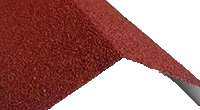
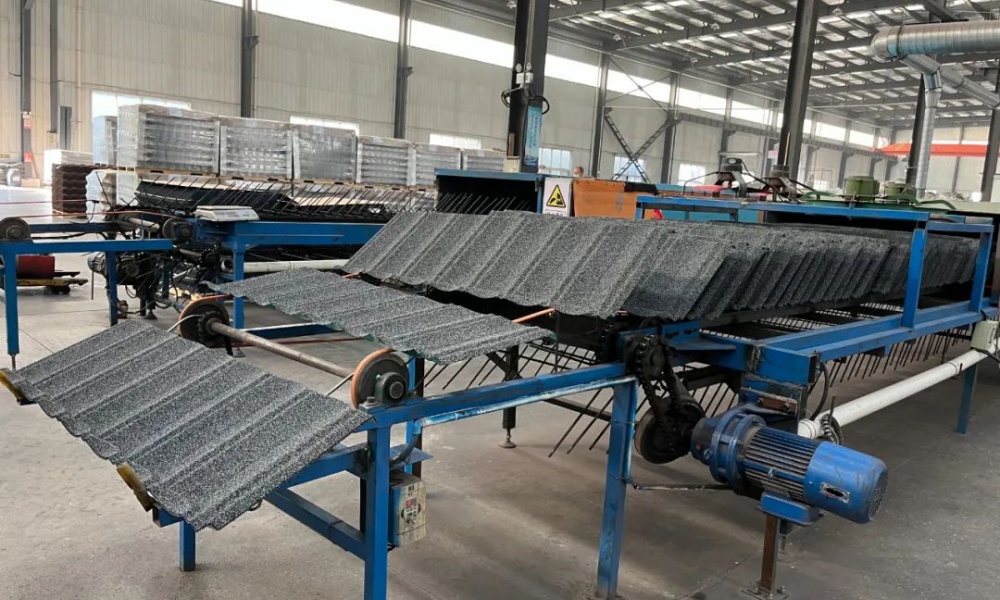
When observing slowmotion footage of hail impact tests on FUODE ROOFING stone coated metal roofing, the protective mechanism becomes intuitive and convincing. The outermost natural stone granule layer acts as the first buffer barrier, dispersing concentrated impact force over a wider surface area and absorbing partial kinetic energy. Beneath the granules, the highstrength galvalume steel substrate delivers excellent ductility. Instead of breaking or cracking under instantaneous pressure, the metal layer produces tiny, temporary microdeformation to offset impact energy before rebounding to its original stable state. This physical property fundamentally avoids the brittle failure common in clay and concrete tiles. Even under continuous multipoint impacts simulating severe hail storms, the tile surface maintains intact structure with no granule shedding, no penetrating damage and no hidden crack risks, keeping the roof’s waterproof and weatherproof performance fully functional.
Many end users and distributors hold a misunderstanding that metal roofing is prone to denting and damage during hail events. In fact, ordinary thin color steel sheets lack composite protective layers and standardized substrate thickness control, resulting in weak impact resistance. Qualified stone coated metal roofing is manufactured with strict substrate thickness standards and hightemperature cured composite coating systems, which balance surface toughness and structural stability perfectly. Every batch of FUODE ROOFING tiles undergoes sampling impact testing before leaving the factory, simulating diverse extreme weather conditions encountered in global markets. This batch testing mechanism ensures that products delivered to overseas projects maintain stable hail resistance, whether deployed in highaltitude hail belts, temperate storm zones or seasonal hailprone areas.
The practical value of hail resistance extends far beyond avoiding immediate surface damage. Buildings equipped with Class 4 impactrated roofing materials often gain more favorable insurance terms in many regions, effectively reducing longterm property management costs. More importantly, reliable hail resistance minimizes poststorm maintenance work and eliminates the need for frequent roof inspections and partial replacements. For residential villas, rural selfbuilt houses, school campuses and public buildings in stormaffected areas, this stability means longer service life and more consistent building protection. After severe weather events, projects using certified stone coated metal roofing often maintain intact roof systems, while surrounding buildings with traditional tiles face varying degrees of damage and renovation needs.
It is important to note that hail resistance performance is closely tied to manufacturing precision and raw material quality, rather than superficial appearance. Lowcost imitation stonecoated tiles often use thin steel substrates, inferior adhesive formulas and uneven granule layers. Although their appearance resembles standard products, they cannot withstand standardized repeated impact testing. Under real hail storm conditions, these inferior products suffer granule peeling, surface denting and structural damage in a short time. As an exportfocused source factory, FUODE ROOFING insists on using qualified galvalume steel substrates, highhardness natural stone granules and hightemperature curing processes. All production links are strictly controlled to ensure every finished tile meets international impact resistance standards, delivering reliable storm protection for global projects.
Slowmotion impact test footage provides intuitive, credible evidence for the performance advantages of stone coated metal roofing, helping global buyers distinguish genuine highquality roofing products from ordinary decorative tiles. In modern construction procurement, weather resistance and structural stability have become core indicators for evaluating roofing system value. For overseas distributors, engineering contractors and property owners pursuing longterm stable building protection, choosing standardized hailresistant stone coated metal roofing effectively avoids hidden risks brought by extreme weather and reduces comprehensive project costs throughout the building lifecycle. FUODE ROOFING supports product sample testing, customized technical verification and trial order cooperation, providing stable, certified stormresistant roofing solutions for diverse global construction markets.
— FUODE ROOFING —
Stone Coated Metal Roofing Source Factory | Shandong, China
www.fuode.com | Welcome factory visit & sample requests