Español
 العربية
 Francés
 Русский
 Português
 Deutsch
 日本語
 한국어
 Việt
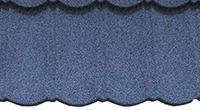
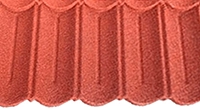

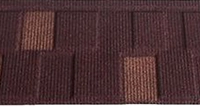
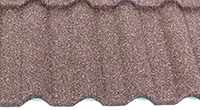
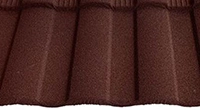
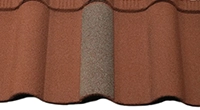


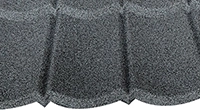
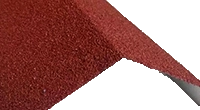
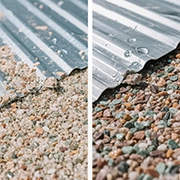




OEM/ODM Stone Coated Roof Tiles: Colors, Profiles, Packaging
OEM/ODM Stone Coated Roofing Tiles: What Can Actually Be Customised
For distributors building their own roofing brand, OEM/ODM stone coated roofing tiles are usually the reason to work with a factory rather than a stockist. The two terms are often used together, but they describe different scopes. OEM generally means producing to the buyer's specification and brand; ODM adds a degree of factory-led product development, such as a new profile or a modified tile geometry. Knowing which one you need makes the first technical discussion much shorter.
What OEM covers and what ODM adds
A typical OEM scope includes the buyer's brand on cartons and labels, an approved colour blend, a chosen profile, and agreed packing quantities. The factory's existing tooling and coating system stay the same, which keeps development time short.
ODM work goes further. It may involve a new press mould, a different overlap geometry, or a custom accessory set matched to the new profile. That means tooling, trial runs and a fresh set of dimension records. It is worth doing when a distributor wants a product that is genuinely differentiated in the local market, but it needs a longer approval timeline than a private-label carton.

Profile and dimension options
Profiles are usually selected from the factory's existing mould library: classic, shingle, flat, roman, bond and similar shapes are common in export catalogues. Each profile has its own overlap, batten gauge and accessory set, so a profile change is not just a visual decision. The specification sheet should be reissued for the selected profile before any artwork is approved.
Length and width are normally fixed by the tooling. Requests for a non-standard size should be treated as ODM work, with a discussion about mould cost, minimum volume and lead time. Asking early avoids a quotation that assumes standard tooling and then changes.
Colour chips and surface finishes
Colour is defined by the stone chip blend, not by paint alone. A blend is built from granules of different shades, so the finished roof has a variegated appearance. Blends are usually chosen from a chip card or matched against a physical reference supplied by the buyer.
The approval routine matters more than the colour name:
1. Factory proposes or matches a blend and produces sample tiles.
1. Buyer reviews the tiles under daylight and under the light used in the showroom.
1. Both parties seal and sign a retention sample.
1. The blend reference is written into the purchase contract.
1. Each production batch is compared with the retained sample.
Mineral granules vary naturally between lots. A documented tolerance plus a sealed reference is a more workable basis for a long-term supply relationship than a claim of identical shade in every batch. Our sample and MOQ guide covers how to structure the approval set.
Packaging, cartons and label artwork
Private-label packaging is where OEM becomes visible to the end customer. Buyer-supplied artwork is normally applied to cartons, pallet labels and sometimes to a protective film or product leaflet. Files should be supplied in print-ready format, with the bar code, batch field and country-of-origin wording checked against the destination market's rules.
Packing quantity is a technical decision as well as a branding one. Pieces per carton affect pallet dimensions, container utilisation and handling damage. Agree the carton specification alongside the artwork, then include both in the quotation comparison so freight is calculated on the real packing data.
Approval workflow before mass production
A workable sequence is: technical specification → sample tiles → sealed retention sample → artwork proof → trial or first order → batch inspection. Skipping the artwork proof is a common cause of rework, because a carton layout that looks fine on screen may not fit the printing die.
For buyers who also want an independent check on the finished goods, an audit and pre-shipment inspection can be written into the same agreement. If you are still evaluating the supplier itself, start with verifying the manufacturer before discussing artwork.
Frequently Asked Questions
Is a custom colour charged separately?
It depends on whether the blend already exists in the chip library and on the order volume. A new blend usually requires sample production and a sealed reference before it enters regular production.
Can a distributor use a unique profile?
Yes, but a new profile generally means new tooling and trial runs, so it is handled as ODM with its own volume and timing discussion.
Who owns the artwork and mould?
This is a commercial term to agree in writing before any files or tooling are commissioned. Include it in the supply agreement rather than leaving it to email correspondence.

Visit www.fuode.com for more details.
— FUODE ROOFING —
Stone Coated Metal Roofing Source Factory | Shandong, China
www.fuode.com | Welcome factory visit & sample requests