Español
 العربية
 Francés
 Русский
 Português
 Deutsch
 日本語
 한국어
 Việt
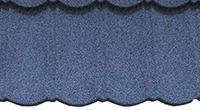
Bond
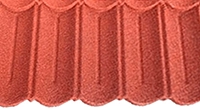
Heavy Dirty Bond

Classic
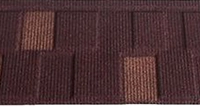
Shingle
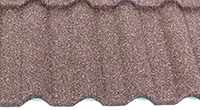
Milano
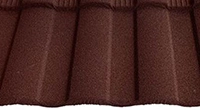
Roman
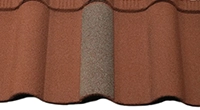
Groove
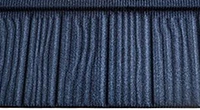
Makuti Grained

Slate
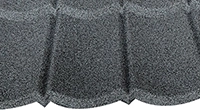
Lengthened
Roof Accessories
Roof Grade
Steel Coils

Corrugated Roofing Sheets
Corrugated Steel Sheet
Flat Ribbed Surface
This flat-profile metal roof tile features shallow, evenly spaced ribs that create a smooth, consistent roofline. Water drains off efficiently without pooling, and the understated rib pattern delivers a sleek, contemporary look from street level.
The Bond profile's signature arc-wave shape mirrors the timeless look of traditional clay barrel tiles, making it a natural fit for residential architecture ranging from Mediterranean-style villas to contemporary townhouses. Its low-profile curvature reads as refined rather than heavy, complementing pitched roofs on single-family homes without overwhelming the building's proportions. For homeowners seeking the visual warmth of a tile roof without the structural burden of clay or concrete, Bond stone coated steel roofing delivers the same aesthetic at one-sixth the weight — opening up tile-look roofing to structures that were never engineered to carry heavy loads.
Bond metal roofing for homes extends seamlessly into larger-scale applications. The tile's uniform profile and consistent stone-granule finish create cohesive rooflines across wide commercial footprints — hotel wings, school campuses, resort pavilions, and low-rise office buildings. The interlocking panel system supports rapid installation on broad, low-slope commercial roofs, while the galvalume steel substrate provides the corrosion resistance needed in coastal resort locations and industrial environments. For architects specifying a unified roofing material across mixed-use developments, Bond tiles bridge residential and commercial zones with a single, visually consistent product line.
One of the most practical applications for Bond stone coated steel roofing is roof renovation. The lightweight construction — approximately 2.6 to 3.0 kg per tile — allows direct installation over existing flat roofs, aging asphalt shingles, or deteriorating concrete tiles without requiring structural reinforcement or demolition of the old roof layer. This makes Bond tiles an ideal roof renovation material for flat-to-pitch conversions, heritage building upgrades, and large-scale housing refurbishment programs where minimizing project duration and disposal costs is critical. The interlocking design ensures a weather-tight seal even when installed over uneven existing surfaces.
Bond tiles are engineered for environments where conventional roofing materials degrade quickly. The aluminum-zinc alloy coating on the galvalume steel core resists salt-air corrosion in coastal regions, while the sintered stone granule surface reflects UV radiation and dampens rain-impact noise in tropical climates. In seismic-active zones, the lightweight profile significantly reduces the risk of roof-tile collapse compared to heavy clay or concrete alternatives — a safety advantage that has made stone coated steel roofing a preferred specification in earthquake-prone regions across Southeast Asia, the Pacific Rim, and parts of the Middle East.


The Bond arc-wave profile is designed to replicate the look of traditional barrel and Roman tiles, making it well-suited for Mediterranean, Spanish, Colonial, and contemporary residential designs. It also pairs effectively with modern commercial architecture that calls for a warm, textured roof surface rather than a flat industrial look.
Yes. The interlocking panel system creates a continuous, weather-tight connection that channels water efficiently off the roof surface. When installed per specification on battens with proper fastening, Bond tiles provide reliable performance in regions subject to monsoon rainfall, tropical storms, and sustained high-wind conditions.
Bond tiles can be installed on roof pitches from 12° to 90°. The lightweight construction and secure interlocking fastening method make them safe for steep-slope roofs and elevated structures, including multi-story buildings, where heavier tile materials would pose handling and structural challenges.
The galvalume steel substrate combines the barrier protection of aluminum with the sacrificial corrosion resistance of zinc, providing documented protection against salt-spray degradation. The stone granule surface adds an additional non-reactive shield, making Bond tiles a practical choice for beachfront properties, island developments, and industrial coastal zones.
Because Bond tiles cover a larger area per piece than traditional clay tiles — approximately 2.08 tiles per square meter — and require no wet-trade materials like mortar or cement, a trained crew can complete a standard residential roof in a matter of days rather than weeks. For large commercial projects, FUODE ROOFING's production capacity of over 5 million square meters annually supports uninterrupted material supply to keep project schedules on track.