Español
 العربية
 Francés
 Русский
 Português
 Deutsch
 日本語
 한국어
 Việt




Stone Coated Metal Roofing: Why Cut-Edge Protection Matters
Stone Coated Metal Roofing: Why Cut-Edge Protection Matters
A Small Cut Can Make a Difference
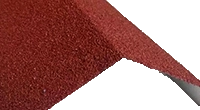
When examining a stone-coated metal roofing sheet, most buyers naturally pay attention to the visible surface. They compare colors, stone granule textures, profiles and dimensions. These details matter, particularly when selecting roofing products for residential projects or wholesale distribution. However, there is another part of the sheet that deserves just as much attention: the cut edge.
A roofing sheet may have a well-finished surface, but its edges are exposed during cutting, forming and installation. If these areas are not properly considered, they can become potential locations for corrosion over time. This is especially relevant for products manufactured from aluminum-zinc coated steel.
For importers and roofing contractors, understanding cut-edge protection is useful when comparing different stone coated metal roofing materials. A product's surface appearance alone does not tell the whole story. The condition of the metal substrate, the protective coating and the way the sheet is processed all influence how it performs after installation.
At Hainan Fuode Metal Materials Co., LTD., these details are part of the wider conversation about roofing material specifications. As a Makuti Grained Stone Coated Roofing Sheet Factory, FUODE ROOFING understands that buyers need to look beyond the finished color and consider the construction beneath the stone-coated surface.
What Happens When an Aluminum-Zinc Coated Sheet Is Cut?
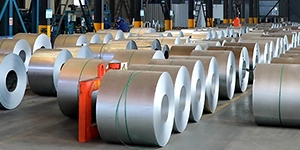
Aluminum-zinc coated steel is commonly used as a substrate for metal roofing products. Its protective coating contains aluminum and zinc, which contribute to corrosion protection in different ways.
Aluminum provides a barrier effect by forming a relatively stable oxide layer on the coating surface. Zinc contributes sacrificial protection, meaning it can corrode preferentially and help protect exposed steel in certain conditions. The combination gives aluminum-zinc coated steel its corrosion-protection characteristics.
However, when a sheet is cut, the newly exposed cross-section is different from the original coated surface. The steel substrate becomes visible along the edge, and the protective coating no longer covers that exact cut face in the same way.
This does not mean that corrosion will immediately occur. Aluminum-zinc coated steel can provide a degree of protection to cut edges through the surrounding coating, including the sacrificial action of zinc. The extent of this protection depends on factors such as coating composition, coating mass, steel thickness, edge geometry and environmental exposure.
The important point is that cut-edge protection should not be treated as unlimited. If an edge is repeatedly exposed to moisture, salt or aggressive pollutants, corrosion may gradually develop. Once corrosion begins, it can affect the appearance and condition of the roofing sheet.
Why Cutting Quality Matters During Production
The condition of a cut edge is influenced not only by the steel coating but also by the cutting process.
During manufacturing, roofing sheets are cut to the required dimensions and formed into specific profiles. Poorly controlled cutting may leave rough edges, burrs or small areas of mechanical damage. These imperfections can make the edge more vulnerable to moisture retention and localized corrosion.
A clean cut is therefore an important part of production control. The cutting equipment should be suitable for the material and sheet thickness, and the processing settings should be adjusted to avoid unnecessary damage. Operators also need to check the finished edges rather than assuming that every cut is acceptable simply because the sheet meets its length requirement.
For a Makuti Grained Stone Coated Roofing Sheet, the visible stone-coated surface is only one part of the finished product. The steel substrate, protective coating, forming process and edge condition all contribute to the overall result.
Buyers discussing specifications with a Makuti Grained Stone Coated Roofing Sheet Factory can ask how sheets are cut, how edge quality is checked and whether any additional edge-protection process is specified for the intended application.
These questions are particularly relevant for large orders, where consistent processing across production batches matters.
Installation Can Expose Edges to Different Conditions
Even when the factory cutting process is well controlled, installation details still influence the exposure of cut edges.
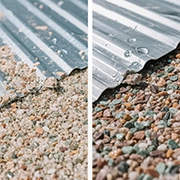
Roofing sheets are joined through overlaps, fixed to supporting structures and connected to accessories such as ridge caps, valleys, flashings and eaves. These details determine how water moves across the roof and whether moisture can remain around particular areas.
For example, an edge positioned beneath a properly designed overlap may have a different exposure condition from an exposed edge at a roof perimeter. Similarly, a poorly detailed valley or flashing connection may allow water to collect near a cut edge.
Fasteners and installation methods also deserve attention. Incorrect screw placement, excessive tightening or unsuitable accessories can damage protective layers around fixing points. These issues are not necessarily caused by the original steel coating specification, but they can influence the condition of the finished roof.
This is why stone coated metal roofing installation should be considered as a complete system. Sheets, overlaps, fasteners and flashing details need to work together. Selecting a suitable substrate is important, but good installation is equally relevant to managing corrosion risks.
Different Markets, Different Exposure Conditions
The importance of cut-edge protection can vary considerably between markets. A roofing product used in a relatively dry inland area may face different conditions from one installed near the sea or in a humid industrial environment.
For european stone coated metal roofing projects, buyers may need to consider regional climate differences, local construction requirements and the specific exposure conditions of each building. A project in a coastal location should not automatically use the same assumptions as one in a dry inland region.
The same applies to stone coated metal roofing america and stone coated steel roof for usa projects. The United States includes coastal, humid, dry, cold and industrial environments. Product selection should reflect the actual installation location rather than relying on a general market label.
In Southeast Asia, humidity and frequent rainfall make drainage and detailing particularly important. Buyers sourcing stone coated metal roofing southeast asia should pay attention to how exposed edges, overlaps and roof accessories are handled.
This is relevant to stone coated metal roofing vietnam, stone coated metal roofing philippines and stone coated metal roofing indonesia, where local exposure conditions can vary between coastal cities, inland areas and different building types.
For stone coated steel roof malaysia projects, frequent rainfall and humid conditions also make proper water drainage and installation details worth reviewing.
There is no single edge-protection solution that automatically suits every market. The appropriate approach depends on the steel coating, product design, local environment and applicable project requirements.
Can Cut Edges Be Protected After Cutting?
Additional edge protection may be considered in certain applications, but the method should be compatible with the original coating and the manufacturer's technical recommendations.
Some projects specify suitable touch-up materials for particular exposed areas. However, not every paint or repair coating is appropriate for aluminum-zinc coated steel. Applying an unsuitable product may create adhesion problems or fail to provide the intended protection.
It is also important to distinguish between factory-applied coatings and on-site repairs. A factory process can be controlled under defined production conditions, while on-site treatment may be affected by surface cleanliness, weather, application thickness and worker experience.
For this reason, buyers should ask the supplier whether additional edge treatment is required for the specific product and application. If a project specification calls for a particular repair coating or edge-protection procedure, the material and method should be confirmed before installation.
In many roofing applications, correct cutting, suitable overlaps and proper detailing are essential starting points. Additional treatment should follow the relevant product instructions rather than being applied as a general rule.
What Should Buyers Check Before Ordering?
When comparing stone coated metal roofing products, buyers should request more than a product photograph and a price quotation. The substrate specification should clearly identify the steel thickness and the type and designation of the metallic coating.
It is useful to confirm whether the material uses aluminum-zinc coated steel or conventional galvanized steel. These are different coating systems, and their specifications should not be treated as interchangeable.
Buyers can also ask about cutting quality, edge inspection, forming procedures and available technical documentation. If the project is located in a coastal or industrial environment, it is worth explaining these conditions to the supplier before confirming the material specification.
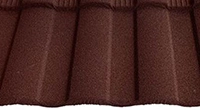
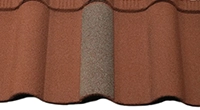
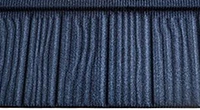
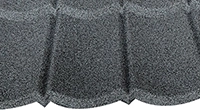
Samples can help buyers examine stone granule appearance, surface texture and profile details. They cannot independently establish the full condition of the substrate or the quality of the cut edges in a finished production batch. Technical specifications and production quality checks remain important.
For distributors, these details also make it easier to explain product differences to contractors and end customers. A clear discussion about substrate and edge protection is more useful than relying only on broad claims about corrosion resistance.
Looking Beyond the Visible Roofing Surface
Stone-coated metal roofing is a combination of materials and manufacturing processes. The steel substrate provides the foundation, the metallic coating contributes corrosion protection, and the stone-coated finish gives the product its characteristic appearance.
At Hainan Fuode Metal Materials Co., LTD., FUODE ROOFING focuses on stone-coated metal roofing products and related materials, including colored stone granules, adhesive and steel coils. As a Makuti Grained Stone Coated Roofing Sheet Factory, the company works with overseas buyers who need to discuss product profiles, colors, substrate specifications and order requirements for different markets.
Whether a customer is sourcing stone coated steel roof textures for residential construction or comparing stone coated metal roofing options for distribution, it is worth asking how the product is made and how its less visible details are controlled.
A small cut edge may not attract much attention when a roofing sheet is first delivered. Yet after years of exposure to rain, humidity and other environmental conditions, the quality of that edge can become more significant. Understanding the steel coating, controlling the cutting process and planning the installation details are practical steps toward managing corrosion risks.
A good roofing decision should consider both what can be seen and what lies beneath the surface. That is where a more meaningful comparison between suppliers begins.

— FUODE ROOFING —
Stone Coated Metal Roofing Source Factory | Shandong, China
www.fuode.com | Welcome factory visit & sample requests