Español
 العربية
 Francés
 Русский
 Português
 Deutsch
 日本語
 한국어
 Việt
Bond
Heavy Dirty Bond

Classic
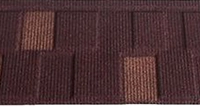
Shingle
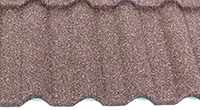
Milano
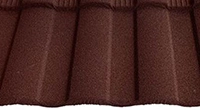
Roman
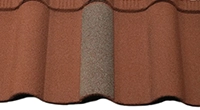
Groove
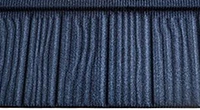
Makuti Grained

Slate
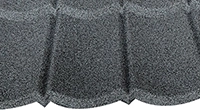
Lengthened
Roof Accessories
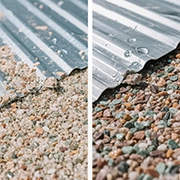
Roof Grade
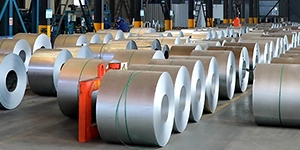
Steel Coils

Corrugated Roofing Sheets
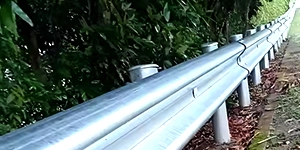
Corrugated Steel Sheet
Non-Combustible Steel Core for Reliable Fire Resistance
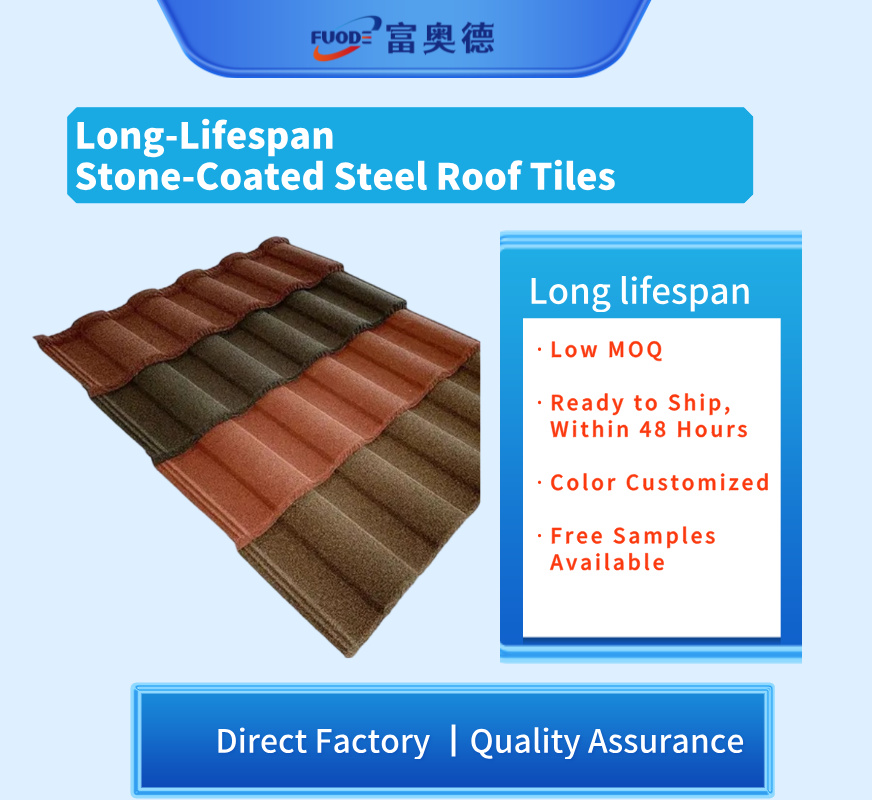
The steel base of stone coated metal roof tiles does not easily ignite, helping the roof resist fire exposure better than many organic roofing materials. This makes it a safer choice for residential, commercial and public buildings.
The main structure of the tile is made from steel, which is non-combustible and does not support flame spread in the same way as wood-based or organic materials. This helps prevent the roof itself from becoming a fuel source during a fire incident.
The natural stone granule surface forms a dense, mineral-based layer over the steel core. It helps shield the underlying material from direct flame contact and reduces the risk of rapid surface ignition under external fire exposure.
Stone coated metal roofing is a practical option for regions prone to dry seasons, bushfires, sparks or nearby fire hazards. While no roofing can guarantee complete fire immunity, its non-combustible structure provides an added layer of safety for building owners.

The steel core is non-combustible, so the tile does not easily ignite. However, “fireproof” depends on test standards and local regulations, so specific fire ratings should be confirmed according to market requirements.
Stone coated metal tiles generally offer better fire resistance than wood shakes and many asphalt-based materials, because the steel base does not burn easily. This can help reduce the risk of roof ignition from sparks or embers.
The stone granule surface and metal structure help resist ignition from small embers better than combustible roofing. Still, overall fire safety also depends on roof ventilation, gutter maintenance and surrounding vegetation.
The non-combustible nature of steel and stone granules remains stable under normal weather exposure. As long as the roof is properly installed and maintained, its fire safety characteristics do not rely on chemical treatments that wear off quickly.
Yes, it is often considered a suitable option for areas with higher fire risk. Buyers should check local building codes and fire rating requirements to ensure the product meets project specifications.