Español
 العربية
 Francés
 Русский
 Português
 Deutsch
 日本語
 한국어
 Việt




Stone Coated Metal Roofing: How Much Does Zinc Coating Thickness Matter?
Stone Coated Metal Roofing: How Much Does Zinc Coating Thickness Matter?
When buyers compare stone-coated metal roofing products, they often focus on the visible details first: the profile, color, granule texture and price. These are understandable considerations, especially when selecting roofing materials for residential projects or distribution. However, an important part of the product is hidden beneath the stone surface: the galvanized steel substrate.
One question comes up frequently during product discussions: if the zinc coating is slightly thinner, how much shorter will the roof's service life be? It sounds like a straightforward question, but there is no universal calculation that can turn a small difference in zinc coating thickness into a specific number of years. Zinc coating is important, but the actual performance of a roof depends on several connected factors.
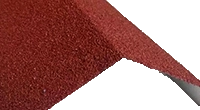
For anyone sourcing a Makuti Grained Stone Coated Roofing Sheet, understanding the steel substrate is a practical step before comparing quotations. A product may look similar on the surface while having different steel thicknesses, coating masses and manufacturing details underneath. These differences deserve attention before an order is confirmed.
Why the Zinc Layer Matters
The steel substrate provides the structural base of a stone-coated metal roofing sheet. Steel itself can corrode when exposed to moisture and oxygen. A zinc coating helps protect the steel by acting as a barrier and providing sacrificial protection. In simple terms, zinc corrodes preferentially under suitable conditions, helping protect exposed steel in areas where the coating is damaged or where small imperfections occur.
This is one reason galvanized steel is widely used in roofing products. The zinc layer is not merely an additional surface finish. It is part of the corrosion protection system beneath the adhesive and colored stone granules.
However, zinc coating is not an unlimited shield. It gradually reacts with the surrounding environment, and its consumption rate varies. A roof exposed to clean, relatively dry air may experience different conditions from one installed near the coast, in an industrial area or in a building with persistent condensation.
The difference between two zinc coating specifications therefore matters, but it should be evaluated alongside the conditions in which the roofing material will be used.
Thickness and Coating Mass Are Not the Same Specification
When discussing zinc coating, buyers sometimes use the word "thickness" without checking how the supplier expresses the specification. This can create confusion when comparing products from different manufacturers.
Galvanized steel is commonly specified by coating mass, often expressed in grams per square metre (g/m²). For example, a designation such as Z100 or Z180 generally refers to the total zinc coating mass across both sides of the steel sheet under the relevant product specification. Buyers should confirm the applicable standard and the supplier's reporting method rather than assuming that every quotation uses exactly the same basis.
Coating mass and physical coating thickness are related, but they are not interchangeable terms. Converting between them requires an understanding of the coating density and whether the stated figure refers to one side or both sides. A quotation that only says "thick zinc layer" does not provide enough information for a meaningful technical comparison.
For a stone coated steel roofing material, it is useful to request the actual substrate specification, including the base steel thickness and zinc coating designation. These two figures describe different properties. A thicker steel sheet does not automatically have a heavier zinc coating, and a higher zinc coating mass does not automatically mean the steel substrate is thicker.
A buyer comparing a Makuti Grained Stone Coated Roofing Sheet from one supplier with another should therefore avoid making a decision based on a single number. The complete specification provides a much clearer picture.
Does a Small Difference Mean a Big Difference in Roof Life?
The honest answer is that it depends on the exposure environment and the rest of the roofing system.
A higher zinc coating mass generally provides a larger reserve of zinc available for corrosion protection. Under comparable conditions, this can contribute to a longer period before the steel substrate becomes exposed to significant corrosion. However, the relationship is not a simple one-to-one calculation that can predict the exact service life of a finished roof.
Consider two roofing sheets with similar steel thicknesses but different zinc coating specifications. If both are installed in a dry inland environment with good drainage and proper detailing, the practical difference may develop differently from the same products installed in a coastal location with salt exposure and frequent moisture.
The condition of the roof also changes over time. Scratches, cut edges, poorly protected penetrations and areas where water remains trapped can become more vulnerable than the broad, undamaged surface. In these situations, local damage may influence corrosion behaviour more than a small difference in the original coating specification.
This is why a claim such as "an extra 20 g/m² adds five years" should be treated cautiously unless it is supported by relevant test data and clearly defined exposure conditions. A responsible supplier should explain what the specification means rather than turn it into an unsupported service-life promise.
The Areas Buyers Should Check Beyond the Zinc Coating
The steel substrate is only one part of stone coated metal roofing materials. During manufacturing, the sheet passes through forming and other processing stages. These operations need to be controlled so that the substrate and protective layers are not damaged unnecessarily.
Cut edges deserve particular attention. When a steel sheet is cut or formed, the exposed edge may have a different protection condition from the flat surface. The behaviour of that edge depends on the coating, the cutting process, the surrounding environment and the way the finished roof is installed.
Fastener locations are another area worth checking. Incorrect screw selection, excessive tightening or unsuitable installation methods can damage the surface and create points where moisture may enter. A well-designed stone coated steel roof system should consider the roofing sheets, fasteners, ridge components, flashings and other accessories as connected parts rather than treating each sheet as an isolated product.
The stone-coated surface also has its own quality requirements. Granule adhesion, adhesive consistency and production control influence the appearance and durability of the visible finish. They do not replace the corrosion protection provided by the galvanized substrate, but they contribute to the performance of the complete roofing product.
For this reason, buyers should look at the full construction of the sheet rather than focusing only on the zinc coating figure.
Local Climate Should Influence the Specification
There is no single zinc coating specification that suits every building and every market. A roofing project in a coastal region may face salt-laden air and frequent moisture. An industrial location may expose the roof to airborne pollutants. In agricultural buildings, humidity and other environmental conditions can also affect material selection.
For stone coated metal roofing for houses, the roof design matters as well. Roof slope, ventilation, drainage and the detailing around valleys, eaves and wall connections all influence how water moves across and away from the roof. Areas that remain wet for extended periods may experience different conditions from surfaces that dry quickly after rainfall.
When selecting stone coated steel roofing for homes, it is useful to share the intended application and local climate with the supplier. The supplier can then help clarify which substrate and coating specifications are available for the project. This is more useful than selecting a specification simply because its number is higher.
Buyers should also consider local building requirements and any relevant project specifications. If a project requires a particular coating designation or test documentation, those requirements should be confirmed before production rather than discussed after the goods have been manufactured.
What to Ask Before Placing an Order
Before confirming an order for stone coated metal roofing, buyers can request a written specification showing the base steel thickness, zinc coating designation, product profile, dimensions and surface finish. It is also worth asking whether the coating mass refers to both sides of the sheet and which standard is used for the measurement.
Where testing documents are available, check that the report identifies the relevant material and test conditions. A document for a different steel grade or coating specification should not automatically be treated as evidence for the product being purchased.
Samples are useful for checking the profile, granule appearance and color. However, a small sample cannot independently confirm every hidden specification. The technical information and production records should support what the sample shows.
For buyers comparing different stone coated metal roofing options, a clear specification also makes quotations easier to evaluate. Two products with similar colors and profiles may not have the same substrate construction. Comparing the technical details helps avoid choosing a product based on appearance and price alone.
Search phrases such as stone coated metal roofing 30 year or stone coated steel roof 30 years are common among buyers looking for long-term roofing solutions. Still, a service-life statement should be supported by the complete product specification, relevant test evidence, installation conditions and maintenance expectations. A zinc coating figure by itself cannot establish a guaranteed number of years.
A Practical Approach to Manufacturing and Material Selection
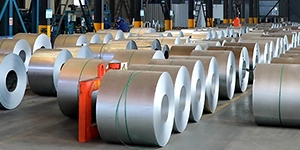
At Hainan Fuode Metal Materials Co., LTD., the steel substrate is an important part of discussions about stone-coated metal roofing specifications. As a Makuti Grained Stone Coated Roofing Sheet Factory, FUODE ROOFING works with roofing products and related materials, including colored stone granules, adhesive and steel coils. For overseas buyers, discussing these materials together can help make product requirements clearer before an order moves into production.
When buyers contact a Makuti Grained Stone Coated Roofing Sheet manufacturer, they should not hesitate to ask detailed questions about the substrate. The base steel thickness, zinc coating mass, profile dimensions and available documentation are all reasonable subjects for a technical discussion. Clear communication at this stage can help reduce misunderstandings between the quotation, approved sample and final order.
The right specification is not necessarily the one with the largest number on the quotation. It is the one that matches the project's requirements, local exposure conditions and budget while providing a clear understanding of what is being supplied.
A small difference in zinc coating can matter, but it cannot be translated directly into a fixed difference in roof life. For a reliable purchasing decision, look at the complete steel specification, the condition of the protective layers, the quality of manufacturing and the details of installation. These are the factors that help buyers assess a stone-coated metal roofing product with greater confidence.

— FUODE ROOFING —
Stone Coated Metal Roofing Source Factory | Shandong, China
www.fuode.com | Welcome factory visit & sample requests