Español
 العربية
 Francés
 Русский
 Português
 Deutsch
 日本語
日本語
 한국어
한국어
 Việt
Việt
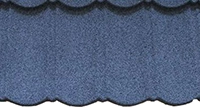
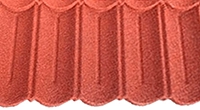

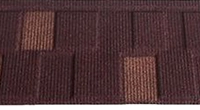
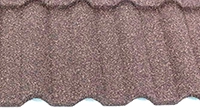
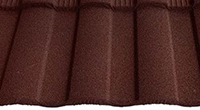
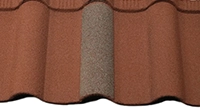
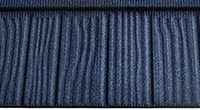

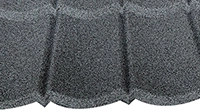


Stone-Coated Metal Roofing: Same Name, 0.1 mm Apart
Stone-Coated Metal Roofing: Same Name, 0.1 mm Apart
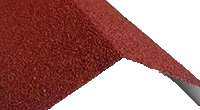
Within the roofing building material sector, stone coated metal roofing has gained acceptance across projects in numerous countries and regions. It is widely selected for residential renovation, villa construction and commercial roof retrofits. When Bond, Classic, Milano and other mainstream profiles sit side by side, their colours and shapes look nearly identical to untrained eyes. It is only after requesting quotations that buyers notice substantial price gaps. Very often, these price differences stem from a subtle 0.1 mm variance in the metal substrate. Many assume 0.1 mm is such a tiny figure that it barely matters for roof performance. Yet under real world long term roofing conditions, this minor specification shapes actual tile behaviour and accounts for many roofing failures that emerge two to three years after project completion. A common pitfall for buyers is judging product quality merely by visual inspection and surface stone granules. Few actively verify the true thickness of the aluminum zinc coated substrate. Some suppliers even include stone granules and adhesive layers in thickness readings, delivering misleading reference data. Only the inner steel substrate carries structural load; the outer stone granules offer no mechanical support.
Based in Shandong, FUODE ROOFING, an original factory, handles orders for diverse overseas climate zones and has accumulated plenty of real world feedback from global contractors. We have witnessed projects with satisfying initial results that later developed dented tiles, lifted overlaps and water seepage along joints. On site inspections would trace root causes back to insufficient substrate thickness 0.1 mm shortfall does not trigger immediate failure right after installation. Risks unfold gradually. During installation, workers walk across roof surfaces, and thinner substrates are prone to permanent deformation under foot traffic. Once tile profiles warp, the engineered overlap and interlock design fails, creating gaps through which rainwater penetrates the roof assembly. Repair and troubleshooting demand extra labour and material costs. For overseas projects, on site maintenance expenses tend to be particularly high, which explains why many international contractors place heavy emphasis on substrate specifications.

Climate conditions further amplify performance differences brought by that 0.1 mm gap. In locations prone to strong winds, hail or heavy snow, roof tiles endure repeated external forces. Tiles with rigid substrates absorb stress and retain their original profile. Products built with thinner substrates develop dents and lifted edges under cyclic wind vibration and thermal expansion and contraction. Deformed tiles pull on the bonding adhesive, leading to granule loss. Once the protective stone layer is compromised, the aluminum zinc coated steel substrate is exposed directly to rain and moisture, raising corrosion risks and degrading overall roof performance. To be objective, thinner gauge stone coated metal roofing is not entirely unusable. It can work for mild climate projects with small roof spans where foot traffic is rare. Still, it delivers limited safety margins in windy, coastal or snow heavy environments. Buyers should evaluate options against local site conditions instead of making decisions purely based on low pricing.
Another key industry point worth noting is that substrate thickness should always be considered alongside aluminum zinc coating weight. Both factors jointly determine long term corrosion resistance. Thickness alone cannot define overall quality. Even adequately thick substrates will corrode prematurely in coastal salt spray environments if coating weight falls short. Reliable original manufacturers control both substrate thickness and coating specifications and provide complete specification documentation instead of highlighting only one set of data. Some market players cut material costs by reducing substrate gauge. Trimming substrate thickness by just 0.1 mm brings noticeable raw material savings while visual appearance stays almost unchanged. Without professional measuring tools, customers cannot spot the difference until problems surface years later. For property owners and contractors, total costs for later stage repair or full replacement frequently outweigh initial savings from cheaper purchases.
Many overseas partners ask us how to verify real substrate thickness. Here we share practical checks for procurement. When goods arrive, use a micrometer to measure bare steel substrate after removing surface coating and granules. Never measure total thickness including stone and adhesive layers, which produces inflated readings. Request batch specific material test reports from suppliers. Where feasible, conduct random sampling inspections to confirm specifications match agreed quotation terms. At FUODE ROOFING, our 0.55 mm stone coated metal roofing supplied to global markets is labelled according to actual baresteel substrate thickness. Bond, Classic, Milano and all other profiles follow the same substrate standard. We never count surface granules as part of metal thickness. Material documentation is available for every shipment for client verification. Our long term overseas contractors seldom chase rock bottom prices. They prioritise specification authenticity and performance safety margins for harsh operating environments. After all, roofing forms critical building enclosure, and no one wants recurring repair headaches post completion.
Roofing procurement easily pushes buyers toward unit price comparison while overlooking longterm costs behind specification variances. Products marketed under the same stone coated metal roofing name can look indistinguishable, yet a 0.1 mm substrate gap changes deformation resistance, impact tolerance and overall roof stability. It will not cause sudden breakdowns, yet it reshapes how well your roof holds up through years of wind, rain and snow. We have seen multiple projects opt for lower cost tiles with marginal substrate specifications, only to face leakage, granule shedding and warping a few years down the line, forcing full roof retrofits that end up costing more overall. Choosing roofing materials does not always mean selecting the highest grade option available. It means understanding local project conditions, grasping what each specification delivers and confirming exactly what you are purchasing, so you avoid risks driven purely by appearance and low price points.
As an original manufacturer, FUODE ROOFING consistently delivers transparent specifications to clients. We offer application oriented recommendations according to local climate instead of pushing over specified products blindly. We honestly explain suitable scenarios for different substrate gauges so customers can balance budget, local wind load and snow load for well informed decisions. Years of export roofing experience teach us that overseas clients cannot regularly visit factory floors thousands of miles away. They place trust in truthful product information, strict production controls and properly delivered goods to minimise avoidable after sales issues. Roofing shields buildings from harsh weather, and most buildings do not undergo frequent roof replacement. Paying close attention to key details such as substrate thickness at the procurement stage builds longterm reliability. This is the industry insight we hope to pass on to every partner we work with.

— FUODE ROOFING —
Stone Coated Metal Roofing Source Factory | Shandong, China
www.fuode.com | Welcome factory visit & sample requests