Español
 العربية
 Francés
 Русский
 Português
 Deutsch
 日本語
 한국어
 Việt
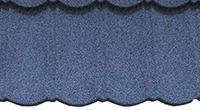
Bond
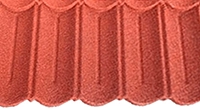
Heavy Dirty Bond

Classic
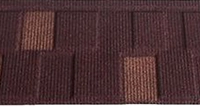
Shingle
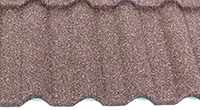
Milano
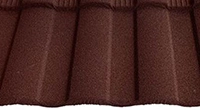
Roman
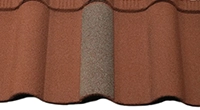
Groove
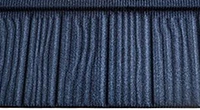
Makuti Grained

Slate
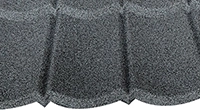
Lengthened
Roof Accessories
Roof Grade

Steel Coils

Corrugated Roofing Sheets
Corrugated Steel Sheet
Easy On-site Handling
Moderate weight of this classic stone coated shingle lowers the load on roof deck and simplifies transportation and laying work for installers.
On a bituminous roof, a large hailstone bruises the granule bed, cracks the coating and exposes the mat underneath — the start of a slow leak the owner does not see for two seasons. Here the impact lands on fired basalt chip locked into an acrylic film over springy steel. The energy goes into a wide, shallow area of a formed panel instead of punching a soft surface, so the visible result of a storm is a roof to sweep rather than a roof to replace.
Severe weather rarely rains straight down. In a gale, water arrives at the eaves at an angle and looks for any opening in the side joints. These stone coated steel shingles close that route with a formed side lock that engages the panel already on the roof, so the joint is a lap rather than a gap. Fixed to the published nailing schedule, with the perimeter and corner zones treated as the higher-demand areas they are, the covering holds its line through the storm that lifts loose sheet metal off a neighbour's outbuilding.
Coastal and inland storm belts share one quiet destroyer: the daily temperature swing that keeps a roof moving. Materials that stiffen with age fail at the lap; this one does not rely on a binder that hardens. The metallic-coated steel flexes within its elastic range through thermal cycling, the acrylic film stays bonded to both chip and steel, and the mineral layer takes the ultraviolet load instead of passing it inwards. Freeze-thaw seasons find no absorbent body to burst from the inside.


On the formed steel panel with its mineral face, typical hail leaves at most a shallow mark on the chip surface rather than a puncture, because the energy arrives on a stiff formed sheet rather than on a soft mat. Granule loss and open fracture, which are how asphalt roofs begin leaking after a storm, are not the failure mode here.
No. The panels are dry-fixed, so a damaged sheet is reached by undoing its own fasteners and lifting the sheet above it just far enough to slide it out. Keep a few spare panels from the original order and a repair is an hour's work, not a scaffold re-erect.
Each sheet has defined fixing positions that fall under the lap of the course above, so the heads are covered once the next row is laid. The number and pattern depend on batten material, slope and the wind zone of the site; the schedule issued with your order sets it out per zone rather than as a single generic figure.
The colour sits inside the fired ceramic layer on the basalt chip rather than in a surface paint, so abrasion from windblown grit removes material of the same colour from top to bottom. Roofs that have weathered several storm seasons read slightly duller rather than patchy, which is the more forgiving of the two outcomes.