Español
 العربية
 Francés
 Русский
 Português
 Deutsch
 日本語
 한국어
 Việt
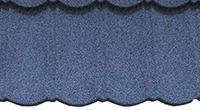
Bond
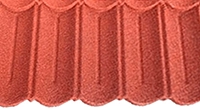
Heavy Dirty Bond

Classic
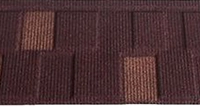
Shingle
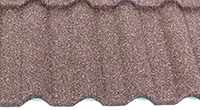
Milano
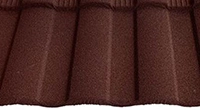
Roman
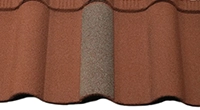
Groove
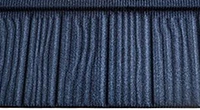
Makuti Grained

Slate
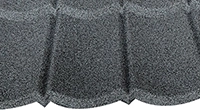
Lengthened
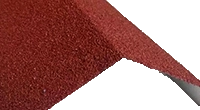
Roof Accessories
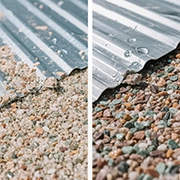
Roof Grade

Steel Coils

Corrugated Roofing Sheets
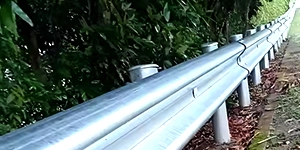
Corrugated Steel Sheet
Ridges That Work as Stiffeners
The parallel corrugations run the length of each sheet, so a slim-gauge steel tile resists bending between battens and keeps hail, snow and maintenance traffic from marking the visible face — rigidity gained from forming, not from extra metal.
Each FUODE tile in the Groove format measures 1340 mm × 420 mm, so a crew closes roof area in far fewer pieces than a small-unit tile would require — fewer lifts, fewer cuts, fewer fastener lines, and a shorter hire period for scaffold and access equipment. The completed covering counts as a lightweight pitched roof covering rather than a masonry roof, which trims the load handed to trusses, purlins and walls, and lets existing timber frames take a new roof without reinforcement.

A flat tile presents an uninterrupted plane, which can show every minor batten impression and thermal movement line. Groove carries shallow raised ridges across that same plane, so the sheet is structurally stiffer and any small surface irregularity is absorbed into the pattern rather than standing out against it.
Ridge depth and spacing are set to stay visually quiet at normal viewing distance, so the effect reads as texture rather than as stripes. For compact roofs we usually suggest a mid-tone or darker granule colour, since lighter shades make the line pattern more noticeable under direct sun.
For a straightforward gable or hip roof, a 5 to 8 percent cut allowance normally covers perimeter trimming, valley mitres and penetration details. Complex roofs with several dormers, towers or irregular planes can run higher, so send us the roof plan and we will work out a sheet count and layout with you before production.
Hand shears, electric tin snips, or a fine-tooth blade work well. A grinding saw is the one tool to avoid: the heat and sparks it throws can scorch the acrylic film that locks the mineral chips down and leave bare steel edges that mark the tile underneath. Cut with the grooved face turned up, clear away every metal shaving before the sheet goes on the battens, and treat any exposed cut edge with the approved touch-up coating supplied with the order so the edge does not start a rust line years later.
The same ridges that split the water also keep it moving, so on a normal pitch a rainfall does most of the washing and the surface clears itself. Where the roof sits under overhanging trees or the pitch is toward the low end of the range, expect some material to settle in the channel lines near the eaves and give those areas a rinse with a garden hose once or twice a year, working from the ridge downward. Use a soft brush for anything stubborn, and keep high-pressure lances and solvent-based cleaners off the tile, since both can lift granules from the face and void the finish coverage.